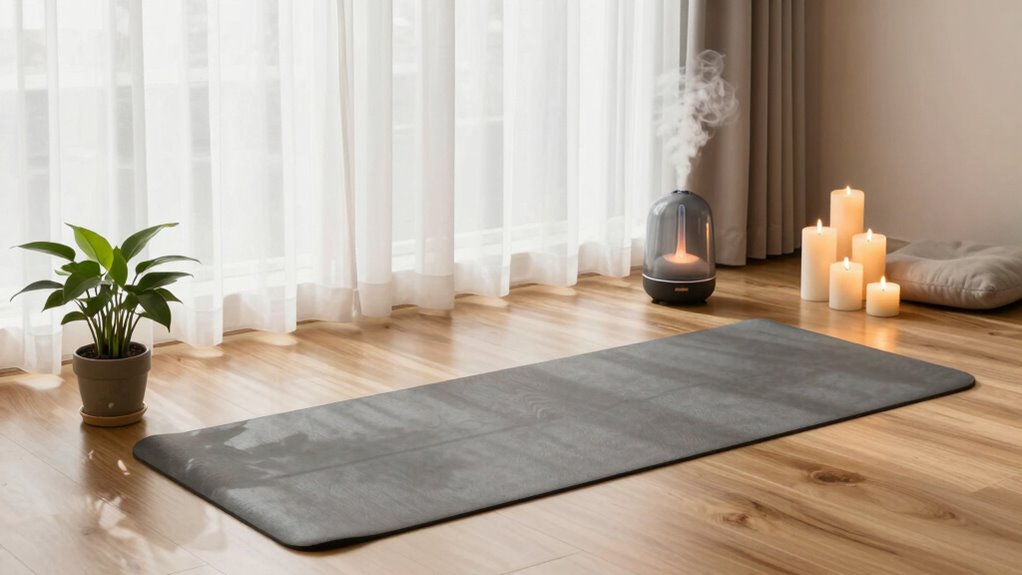

A home wellness setup is worth the space when it creates a peaceful retreat tailored to your needs, helping you relax and stay healthy. By dedicating a quiet nook with calming colors, soft lighting, and clutter-free organization, you foster tranquility. Comfortable, ergonomic furniture supports proper posture during meditation and exercise, while space for safe movement and strength training encourages regular activity. Keep it personalized, inspiring a daily focus on your well-being—discover how to turn your space into a true sanctuary.

Get health and wellness essentials delivered free with Prime
- Fast, free delivery on millions of items
- Prime Video, Amazon Music and more included
- Member-only deals all year
Key Takeaways
- A dedicated, calming meditation space fosters regular stress reduction practices.
- Ergonomic furniture ensures comfort and proper posture during wellness activities.
- Organized tools and supplies enhance focus and create a clutter-free environment.
- Incorporating safe movement and strength training supports overall physical health.
- Personalization reflects individual needs, inspiring consistent self-care routines.
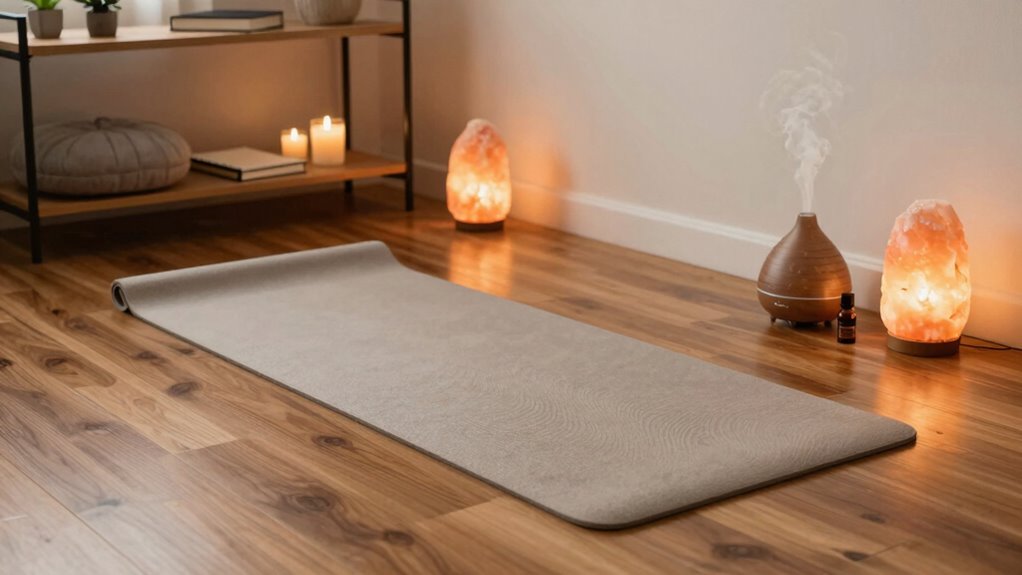
Have you ever wondered how to transform your home into a space that promotes health and relaxation? Creating a home wellness setup isn’t just about adding a few plants or a cozy corner—it’s about designing an environment that nurtures your body and mind. The first step is to dedicate a specific area for mindful meditation. This doesn’t have to be large; even a small, quiet nook can become your sanctuary. Use calming colors, soft lighting, and minimal clutter to foster a sense of peace. Having a dedicated space for mindful meditation encourages regular practice, helping you manage stress and stay centered amidst daily chaos. Incorporate comfortable seating or cushions that support proper posture, so you can sit for extended periods without discomfort. Remember, the goal is to create a space where you feel safe and relaxed enough to clear your mind.
Create a peaceful space with calming colors and soft lighting to nurture your mind and manage stress daily.
Next, focus on the furniture you choose for your wellness area. Ergonomic furniture plays an essential role in promoting physical health and comfort. When selecting chairs, desks, or even exercise equipment, prioritize pieces that support proper alignment and reduce strain. Ergonomic furniture helps prevent aches and pains, especially if you spend a lot of time working or practicing self-care at home. It’s worth investing in adjustable chairs, supportive cushions, or standing desks that can adapt to your needs. This way, you can maintain good posture during meditation, stretching, or other wellness activities. Additionally, understanding the fundamentals of strength training principles can help you incorporate safe and effective movement into your routine, even at home. Incorporating proper form in your exercises is crucial to avoid injury and maximize benefits. Proper use of Ergonomic furniture can also enhance your overall comfort and support your wellness goals. Comfortable, supportive furniture makes it easier to stick with your wellness routine and avoid setbacks caused by discomfort.
In addition to dedicated spaces and ergonomic furniture, a home wellness setup benefits from thoughtful organization. Keep your meditation tools, yoga mats, or health supplements easily accessible but neatly stored. This encourages consistency and reduces the mental clutter that can interfere with your focus. Proper organization techniques can also help you maintain a clutter-free environment that promotes mental clarity. Lighting is another fundamental element—natural light is ideal, but if that’s limited, opt for warm, soft bulbs that create a calming atmosphere. Incorporate elements like soothing sounds or aromatherapy to deepen your relaxation. These small touches make your wellness space inviting and conducive to unwinding after a busy day.
Ultimately, a home wellness setup worth the space is one that’s personalized to your needs. It should inspire you to prioritize your health and well-being daily. When you combine a dedicated mindful meditation area with ergonomic furniture and thoughtful organization, you’re creating an environment that supports a more balanced, healthier lifestyle. It’s about making your home a true sanctuary where relaxation and self-care become natural parts of your routine.
As an affiliate, we earn on qualifying purchases.
Frequently Asked Questions
How Do I Determine the Best Wellness Equipment for My Space?
You determine the best wellness equipment for your space by considering your goals and available area. Incorporate indoor plants to create a calming atmosphere and set up a meditation corner for mindfulness practices. Choose versatile, space-efficient items like compact yoga mats or adjustable dumbbells. Prioritize equipment that encourages consistency and fits your lifestyle, ensuring your wellness setup feels inviting and functional without overwhelming your space.
What Budget Should I Allocate for a Home Wellness Setup?
Think of your budget like a garden—start small and grow intentionally. You should allocate enough for cost-effective solutions and DIY wellness ideas, which can be budget-friendly yet effective. Depending on your goals, plan for a range of $100 to several hundred dollars. Focus on essentials first, then expand as you see fit. Remember, a thoughtful investment in wellness pays off in better health and happiness.
Are There Any Safety Considerations for Home Wellness Devices?
Yes, safety is essential when using home wellness devices. You should always prioritize device safety by following manufacturer instructions, ensuring proper installation, and using devices in well-ventilated areas. To prevent risks, regularly inspect equipment for damage, keep devices clean, and avoid overusing or modifying them. Taking these steps helps you reduce risks and promotes safe, effective wellness practices in your home.
How Often Should I Update or Upgrade My Wellness Equipment?
You should update or upgrade your wellness equipment every 3 to 5 years to stay current with fitness trends and guarantee equipment longevity. Regularly evaluating your needs and technological advancements helps you get the most benefit and keeps your setup effective. If you notice wear and tear or your goals change, don’t hesitate to upgrade sooner. Staying proactive ensures your home wellness space remains safe, functional, and motivating.
Can a Small Space Effectively Support a Wellness Setup?
Yes, a small space can effectively support a wellness setup if you optimize decor placement and lighting ambiance. Use compact, multi-functional equipment to maximize the area, and prioritize calming lighting to create a relaxing atmosphere. Keep clutter minimal and strategically arrange decor to enhance flow. By thoughtfully designing your space, you’ll create a functional, peaceful environment that supports your wellness routines without requiring much room.
home yoga mat with carrying strap
As an affiliate, we earn on qualifying purchases.
As an affiliate, we earn on qualifying purchases.
Conclusion
So, you’ve turned your space into a wellness haven—complete with gadgets, gadgets, and more gadgets. Just remember, a home spa isn’t complete without a questionable cucumber mask and a yoga mat that doubles as a pet bed. If your setup makes you feel zen enough to ignore the chaos outside, congratulations—you’ve achieved true wellness… or at least a pretty good excuse to avoid doing the dishes. Cheers to your perfectly imperfect sanctuary!
adjustable standing desk for home
As an affiliate, we earn on qualifying purchases.
As an affiliate, we earn on qualifying purchases.
As an affiliate, we earn on qualifying purchases.
Halloween Picks
halloween
As an affiliate, we earn on qualifying purchases.