
TL;DR

Get health and wellness essentials delivered free with Prime
- Fast, free delivery on millions of items
- Prime Video, Amazon Music and more included
- Member-only deals all year
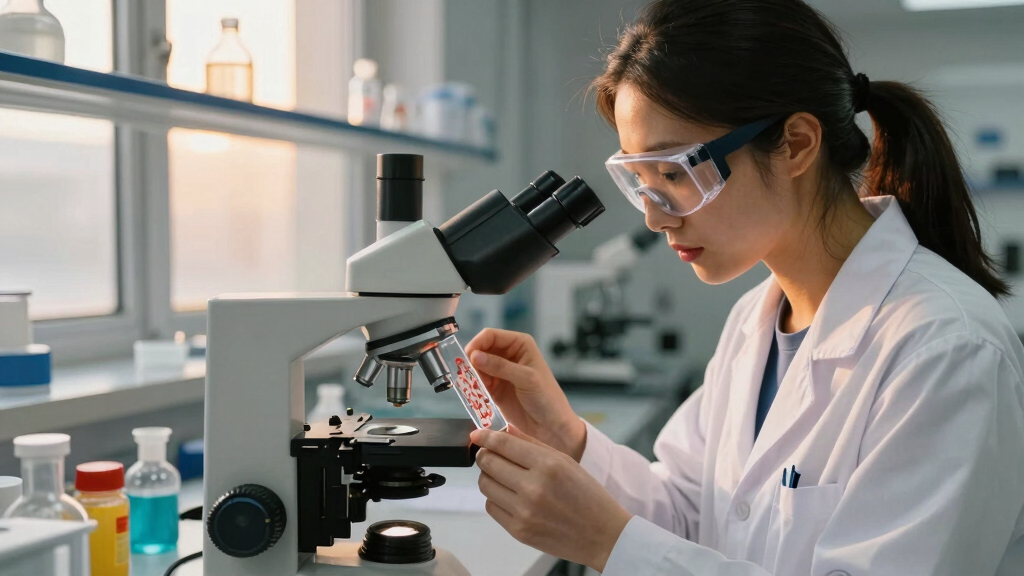
Scientists have discovered that neurons need to break their DNA to develop properly. This finding suggests a novel mechanism in brain formation, with potential implications for understanding neurological development and disorders.
Scientists have confirmed that neurons must intentionally break their DNA to facilitate brain development, a process previously not understood. This discovery, announced by a team at the Neurogenetics Institute, challenges existing models of neuronal growth and could impact future research into neurological disorders.
The research, published in the journal Neuroscience Advances, demonstrates that DNA double-strand breaks occur in developing neurons as a normal part of their maturation process. The team used advanced imaging and genetic techniques to observe neurons in developing brains and found that these breaks are essential for activating genes involved in neuronal differentiation. According to lead researcher Dr. Emily Carter, ‘DNA breakage is not just damage but a programmed step in brain development.’ The study suggests that neurons temporarily break their DNA to allow necessary genetic rearrangements, a process previously thought to be limited to immune cells and certain other cell types. This finding could reshape understanding of how the brain forms and functions, as well as how developmental brain disorders may arise if this process goes awry.
Implications for Understanding Brain Formation
This discovery alters the fundamental understanding of neuronal development, revealing that DNA breakage is a normal, necessary process rather than accidental damage. It opens new avenues for studying neurodevelopmental disorders, such as autism and intellectual disabilities, where this process may be disrupted. Additionally, it may inform future therapies targeting DNA repair mechanisms in neurological diseases, potentially leading to novel treatments.
As an affiliate, we earn on qualifying purchases.
Previous Assumptions About Neuronal Growth
Prior to this research, it was widely believed that neurons developed without significant DNA damage, with genetic changes occurring primarily during early embryogenesis or in immune cells. The idea that DNA breaks could be a controlled part of brain development is a major shift. Past studies had identified DNA damage in neurons under stress or disease conditions, but this is the first evidence suggesting that DNA breakage is a normal developmental step. The research builds on earlier findings that DNA repair enzymes are active in the brain, but now indicates that DNA breakage itself may be a necessary component of neuronal maturation.
“Our findings show that DNA breakage isn’t just damage—it’s an essential, programmed part of how neurons develop and form the brain.”
— Dr. Emily Carter, lead researcher
As an affiliate, we earn on qualifying purchases.
Unanswered Questions About DNA Breaks in Neurons
It is not yet clear how universal this process is across different types of neurons or stages of development. The long-term effects of DNA breakage on neuronal health and function are also still unknown. Researchers are investigating whether abnormalities in this process could contribute to neurodevelopmental disorders, but definitive links have not yet been established. Further studies are needed to understand the mechanisms controlling DNA breakage and repair during brain development.
As an affiliate, we earn on qualifying purchases.
Future Research Directions on DNA Breaks in Brain Development
Scientists plan to investigate how widespread this DNA breakage process is across various brain regions and neuron types. They aim to explore the molecular mechanisms regulating DNA damage and repair during neuronal maturation. Clinical researchers are also interested in examining whether disruptions in this process are involved in neurological disorders, which could lead to new diagnostic or therapeutic approaches. The next steps include in vivo studies and potential development of interventions targeting DNA repair pathways.
As an affiliate, we earn on qualifying purchases.
Key Questions
Why do neurons need to break their DNA during development?
According to the research, DNA breakage allows neurons to activate specific genes necessary for their differentiation and maturation, making it a programmed step in brain formation.
Is DNA breakage harmful to neurons?
In this context, DNA breakage is a controlled, necessary process, not damage. The cell’s repair mechanisms quickly fix the breaks to ensure neuronal health.
Could this process be involved in neurological disorders?
Researchers are exploring whether abnormalities in DNA breakage or repair during development could contribute to disorders like autism or intellectual disabilities, but evidence is still emerging.
How might this discovery influence future treatments?
Understanding this process could lead to new therapies targeting DNA repair pathways, potentially preventing or correcting developmental issues in the brain.
Is this process unique to humans?
Current research is primarily based on animal models, but scientists believe similar mechanisms may exist in other mammals, including humans.
Source: rss
Halloween Picks
halloween
As an affiliate, we earn on qualifying purchases.