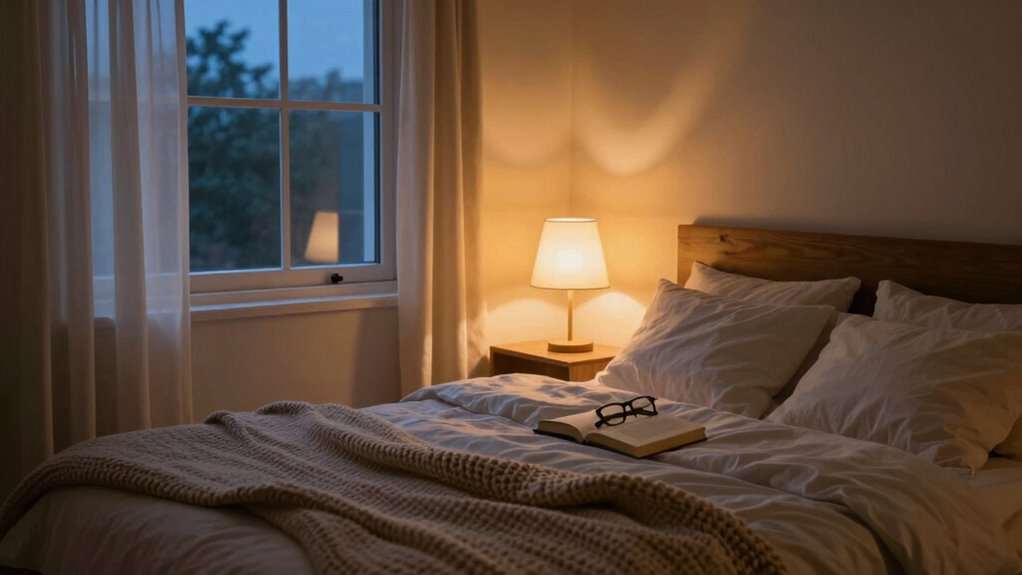

Proper lighting is essential for your mood, sleep, and comfort as you age. Bright, natural light during the day helps boost alertness and lift your spirits, while warm, softer lighting in the evening promotes relaxation and better sleep. Adjusting the color temperature and placement of lights can make your environment more welcoming and supportive of your well-being. Exploring these lighting strategies further can help you create a space that nurtures both your physical and emotional health.

Get health and wellness essentials delivered free with Prime
- Fast, free delivery on millions of items
- Prime Video, Amazon Music and more included
- Member-only deals all year
Key Takeaways
- Proper lighting enhances mood and reduces feelings of gloom or isolation in older adults.
- Adjusting color temperature supports better sleep-wake cycles and relaxation.
- Natural light exposure helps regulate circadian rhythms and boosts overall well-being.
- Strategic lighting placement improves comfort and safety, especially for those with vision or mobility challenges.
- Using daylight-mimicking or warm lights in the evening promotes relaxation and prepares for restful sleep.

Lighting plays an essential role in shaping mood and well-being as we age, influencing everything from sleep patterns to emotional health. As you get older, your sensitivity to light changes, making it more important than ever to think about how your environment is illuminated. One key factor is color temperature, which refers to the warmth or coolness of light. Warm light, with lower color temperature, creates a cozy, relaxing atmosphere, while cooler light, with higher color temperature, tends to be more energizing. Adjusting this can help you manage your mood throughout the day. For example, warmer lighting in the evening can signal your body to wind down, promoting better sleep. Conversely, cooler light during the day can boost alertness and focus. Additionally, lighting design can significantly impact how comfortable and welcoming your space feels, especially for those with diminished vision or mobility challenges. Natural light plays a significant role in your overall well-being, especially as you age. Exposure to natural sunlight helps regulate your circadian rhythm, the internal clock that governs sleep and wake cycles. When your body receives ample natural light during the day, it sends signals that keep you alert and awake, making it easier to fall asleep at night. But as you age, your skin and eyes become less efficient at processing natural light, which can lead to disruptions in sleep and mood. That’s why maximizing exposure to natural light during the day is essential. Opening curtains, sitting near windows, or spending time outdoors allows you to soak in the benefits of natural light, which can lift your spirits and improve sleep quality. Incorporating light exposure into daily routines can also help counteract the effects of diminished natural light sensitivity. Proper lighting placement and intensity are vital for creating an environment that supports well-being, especially in spaces with limited natural light. Using light therapy devices or specialized lamps can further enhance your exposure when outdoor options are limited. Ensuring the appropriate lighting control can help you easily adjust your environment to suit your mood and daily needs. Choosing lights with the right color temperature can influence your mood positively. For instance, cool white or daylight bulbs mimic natural sunlight and can help you feel more alert and energized. On the other hand, using warmer tones in the evening fosters relaxation and prepares your body for restful sleep. You should also think about the placement and intensity of your lighting—bright, well-diffused light can make your space feel more inviting and reduce feelings of gloom or isolation often experienced in later life.
adjustable warm white LED desk lamp
As an affiliate, we earn on qualifying purchases.
As an affiliate, we earn on qualifying purchases.
Frequently Asked Questions
How Does Lighting Affect Cognitive Function in Older Adults?
Lighting considerably affects your cognitive function by supporting circadian regulation, which helps maintain your sleep-wake cycle. Proper lighting enhances your visual acuity, making it easier to see clearly and process information efficiently. When your environment provides adequate light, especially natural daylight, your brain stays alert and functions better. Poor lighting can lead to confusion or memory issues, so ensuring good illumination is essential for maintaining mental sharpness as you age.
What Types of Lighting Are Safest for Seniors With Vision Impairments?
You should opt for safety-enhancing lighting like smart bulbs and light sensors, which automatically adjust brightness to prevent glare and shadows that can cause falls. Smart bulbs let you customize light levels, while light sensors guarantee consistent, gentle illumination in critical areas. These technologies help seniors with vision impairments navigate more confidently, reducing accidents and improving overall comfort and safety at home.
Can Lighting Improvements Reduce Fall Risks at Night?
Lighting improvements act like a guiding lighthouse, reducing fall risks at night. Installing smart bulbs and motion sensors guarantees your pathways are always illuminated when needed, preventing accidents. With these smart devices, you don’t have to stumble in the dark or rely on harsh overhead lights. Instead, your home becomes a safer, more comfortable space where you can move freely and confidently, especially during late-night trips.
How Does Natural Light Exposure Influence Mental Health in Later Years?
You can boost your mental health by getting natural light exposure, especially through sunlight therapy, which helps regulate your mood and sleep cycles. During darker months, sunlight therapy can combat seasonal affective disorder, reducing feelings of depression. Spending time outdoors during the day or using a light therapy box can make a significant difference, helping you feel more energized, balanced, and happier in later years.
Are There Specific Lighting Recommendations for Dementia Patients?
For dementia patients, you should focus on using lighting with a warm color temperature, around 2700K to 3000K, to create a calming environment. Maintain appropriate light intensity—bright enough to reduce confusion but not too harsh—to support orientation and comfort. Consistent lighting schedules with sufficient natural light exposure during the day can also help improve sleep patterns and reduce agitation in dementia patients.
natural sunlight mimicking light therapy lamp
As an affiliate, we earn on qualifying purchases.
As an affiliate, we earn on qualifying purchases.
Conclusion
As you age, the right lighting can transform your daily experience, boosting your mood, improving sleep, and enhancing comfort. Imagine Mrs. Thompson, who struggled with poor sleep until her home was fitted with gentle, warm lighting that mimicked natural daylight. Suddenly, she felt more energized and relaxed. Small changes like this can make a big difference, helping you enjoy your later years with greater happiness and well-being. Don’t underestimate the power of good lighting in your life.
dimmable circadian rhythm lighting
As an affiliate, we earn on qualifying purchases.
As an affiliate, we earn on qualifying purchases.
bedside reading light with color temperature control
As an affiliate, we earn on qualifying purchases.
As an affiliate, we earn on qualifying purchases.
Halloween Picks
halloween
As an affiliate, we earn on qualifying purchases.