

As a caregiver, you might feel grief as deep sadness and longing after losing a loved one, while stress comes from daily pressures causing anxiety and physical symptoms like racing heart or headaches. Burnout develops gradually from ongoing emotional exhaustion, leading to feelings of detachment and hopelessness. Recognizing these differences helps you seek the right support and manage your emotions effectively. To understand how to navigate each experience better, keep exploring these important distinctions.

Get health and wellness essentials delivered free — and shop member deals
- Fast, free delivery on millions of items
- Access to Prime Big Deal Days deals on October 6–7
- Prime Video, Amazon Music and more included
Key Takeaways
- Grief is a natural emotional response to loss, characterized by deep sadness and longing, while stress is a reaction to external pressures and burnout results from prolonged emotional exhaustion.
- Physical symptoms of grief include fatigue and headaches, stress causes racing heart and tension, and burnout leads to chronic fatigue and gastrointestinal issues.
- Grief peaks after loss and gradually resolves; stress fluctuates with circumstances, and burnout develops gradually from ongoing emotional overload.
- Recognizing grief as natural promotes acceptance; managing stress involves coping strategies; addressing burnout requires professional support.
- Ignoring burnout can worsen mental health, whereas grief and stress can often be managed with appropriate emotional and self-care strategies.
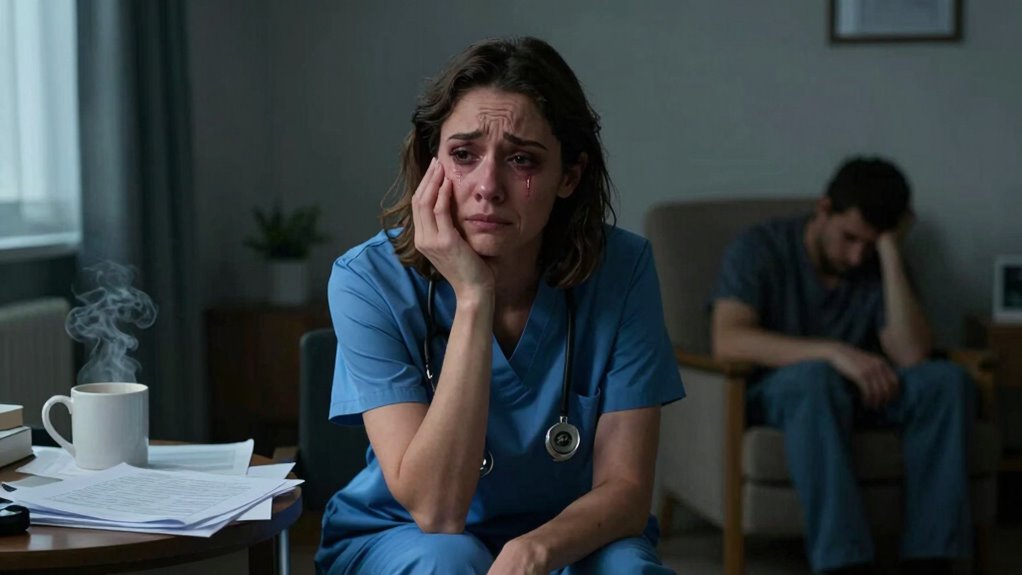
Understanding the differences between grief, stress, and burnout can help you better manage your emotional health. As a caregiver, you often face intense emotional responses that can be confusing. Grief usually hits you with deep sadness, a sense of loss, or longing when someone you care for passes away or suffers a significant decline. These emotional responses can be overwhelming, and they often come with physical symptoms like fatigue, headaches, or stomachaches. You might find yourself crying more often or feeling emotionally numb, and these reactions are your body’s way of processing the pain of loss. Recognizing that grief is a natural response helps you accept what you’re feeling instead of suppressing it, which can prolong the pain.
Stress, on the other hand, tends to be more tied to external pressures and daily demands. When you’re under stress, your body reacts with a surge of adrenaline and cortisol, preparing you for a “fight or flight” response. You might notice physical symptoms such as racing heart, muscle tension, or trouble sleeping. Emotionally, stress can make you feel anxious, irritable, or overwhelmed, especially when caregiving tasks pile up or you’re juggling multiple responsibilities. Unlike grief, stress often fluctuates depending on your workload or personal circumstances, and it can sometimes push you toward feeling exhausted or impatient. Recognizing stress early allows you to implement coping strategies, like taking breaks or practicing relaxation techniques, to prevent it from escalating into burnout.
Burnout is more insidious and develops over time when you’re consistently overwhelmed without sufficient relief. It’s characterized by emotional exhaustion, cynicism, and a sense of ineffectiveness. You might feel detached from your caregiving role or question whether what you’re doing makes a difference. Physically, burnout can cause chronic fatigue, headaches, or gastrointestinal issues. Emotionally, it leaves you feeling drained and disconnected, often accompanied by feelings of hopelessness or despair. Burnout is a warning sign that your emotional responses have become persistent and unmanageable. Long-term emotional responses such as burnout may require professional support or intervention to effectively manage. If ignored, it can lead to serious mental health issues like depression or anxiety. Recognizing burnout early is crucial; it signals you need to step back, seek support, and prioritize self-care to restore your emotional and physical well-being.
caregiver stress relief products
As an affiliate, we earn on qualifying purchases.
As an affiliate, we earn on qualifying purchases.
Frequently Asked Questions
How Can I Tell if I’M Experiencing Grief or Burnout?
You can tell if you’re experiencing grief or burnout by paying attention to your emotional awareness. Grief often involves deep sadness or longing over a loss, while burnout feels like emotional exhaustion and detachment from caregiving. Use coping strategies like talking to someone or taking breaks to manage these feelings. Recognizing the difference helps you address your needs more effectively and seek appropriate support or self-care.
What Are Quick Ways to Manage Stress During Caregiving?
To manage stress quickly during caregiving, try simple relaxation techniques like deep breathing or mindfulness exercises to calm your mind. Practice effective time management by prioritizing tasks and taking short breaks when needed, which can prevent overwhelm. You might also step outside for fresh air or stretch for a few minutes. These small actions help you regain control, reduce tension, and keep your energy focused on providing the best care possible.
Can Grief Turn Into Burnout Over Time?
Yes, grief can turn into burnout if left unchecked, feeling like an endless storm that drains your energy. When you don’t process grief properly, it piles up, overwhelming your ability to cope. To prevent burnout, prioritize grief processing, seek support, and set boundaries. Recognizing the signs early helps you stay resilient, ensuring grief doesn’t morph into exhaustion that sidelines your caregiving journey altogether.
Are There Specific Signs That Indicate Burnout Is Severe?
Severe burnout shows through signs like persistent exhaustion, emotional numbness, and declining caregiver resilience. You might feel overwhelmed, struggle with emotional regulation, or lose motivation. Recognizing these symptoms early is crucial, as they indicate your stress levels are unmanageable. If you notice these signs, it’s vital to seek support and implement self-care strategies to prevent further deterioration of your mental and physical health.
How Does Emotional Exhaustion Differ From Physical Fatigue?
Think of emotional exhaustion as a grey cloud draining your emotional resilience, leaving you numb and overwhelmed. Physical fatigue, however, feels like carrying a heavy weight, sapping your physical stamina. While emotional exhaustion dulls your feelings and mental clarity, physical fatigue manifests as aching muscles and tired limbs. Recognizing these differences helps you address each, ensuring you nurture both your emotional resilience and physical stamina to sustain your caregiving journey.
burnout recovery tools for caregivers
As an affiliate, we earn on qualifying purchases.
As an affiliate, we earn on qualifying purchases.
Conclusion
Understanding the differences between grief, stress, and burnout helps you navigate caregiving more effectively. For example, after caring for a loved one with a chronic illness, you might feel overwhelmed (stress), mourn their decline (grief), or feel emotionally drained (burnout). Recognizing these feelings allows you to seek appropriate support and self-care. Remember, caring for yourself isn’t a sign of weakness—it’s essential to sustain your ability to provide compassionate care.
emotional support for caregivers
As an affiliate, we earn on qualifying purchases.
As an affiliate, we earn on qualifying purchases.
self-care products for emotional exhaustion
As an affiliate, we earn on qualifying purchases.
As an affiliate, we earn on qualifying purchases.
Cold & flu season Picks
humidifiers
As an affiliate, we earn on qualifying purchases.