
TL;DR

Get health and wellness essentials delivered free with Prime
- Fast, free delivery on millions of items
- Prime Video, Amazon Music and more included
- Member-only deals all year
India’s Nasha Mukt Bharat campaign is experiencing a significant rise in global media coverage, with eight mentions in recent reports. This reflects growing international awareness of India’s efforts to combat drug abuse.
India’s government-led Nasha Mukt Bharat campaign is experiencing a notable increase in international media coverage, with recent reports indicating eight mentions in global outlets within a specific monitoring window. This surge highlights growing global interest in India’s efforts to combat drug abuse and substance dependency.
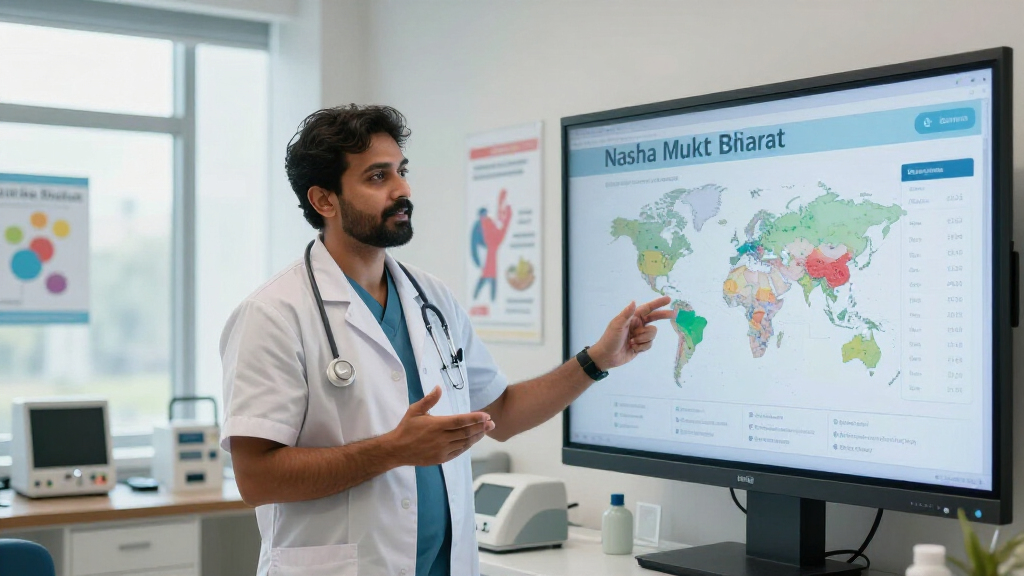
According to the latest data from GDELT, a global media monitoring platform, Nasha Mukt Bharat has been mentioned eight times in international media sources, compared to a baseline of fewer mentions in previous periods. These mentions include reports from news outlets in Asia, Africa, and Europe, emphasizing the campaign’s expanding international profile.
GDELT’s data shows that this is an eightfold increase in coverage during the current window, which is significant given the previous low levels of global media attention. Experts suggest that this rise could be linked to increased diplomatic engagement, international conferences, or global health initiatives highlighting India’s anti-drug efforts.
Officials from the Ministry of Social Justice and Empowerment in India have acknowledged the coverage but have not issued specific comments on the international media attention. The campaign itself is aimed at reducing drug dependency through awareness, rehabilitation, and community engagement programs across India.
Why It Matters
The surge in global coverage of Nasha Mukt Bharat signifies increased international recognition of India’s efforts to address drug abuse, which could enhance diplomatic relations and attract foreign aid or partnerships. It also raises awareness about the scale of India’s challenge and the government’s commitment to tackling substance dependency.
This attention may influence international policymakers, NGOs, and health organizations to collaborate more closely with India, potentially leading to increased funding, knowledge exchange, and joint initiatives. For Indian authorities, this heightened visibility underscores the importance of sustaining and expanding their anti-drug strategies on a global stage.
drug addiction rehabilitation kits
As an affiliate, we earn on qualifying purchases.
As an affiliate, we earn on qualifying purchases.
Background and Recent Trends in India’s Anti-Drug Initiatives
The Nasha Mukt Bharat campaign was launched by the Indian government in 2019 to combat the rising drug abuse problem, especially among youth. It emphasizes prevention, treatment, and social reintegration, with a focus on community involvement.
While domestically the campaign has been active, international media attention has historically been limited. However, recent reports from GDELT indicate a sharp increase in mentions, suggesting that India’s efforts are now gaining broader recognition. This shift may be linked to increased diplomatic outreach, participation in international forums, or global health initiatives addressing substance abuse.
Prior to this surge, India’s drug problem was largely considered a domestic issue, but the recent coverage indicates a potential shift towards global acknowledgment of the country’s initiatives and challenges.
“The rise in international media coverage of Nasha Mukt Bharat reflects growing global awareness of India’s proactive approach to tackling drug abuse. It can open doors for more international cooperation.”
— Dr. Anjali Singh, Public Health Expert
As an affiliate, we earn on qualifying purchases.
Unclear Factors Behind the Coverage Surge
It is not yet clear what specific events or developments triggered the recent spike in media mentions. The role of international conferences, diplomatic visits, or health initiatives in amplifying coverage remains to be confirmed. Additionally, the precise sources and nature of the coverage—whether they are feature articles, news reports, or opinion pieces—are still being analyzed.
anti-drug campaign educational materials
As an affiliate, we earn on qualifying purchases.
As an affiliate, we earn on qualifying purchases.
Monitoring Future Media Trends and Policy Responses
Media analysts and policy experts will continue to monitor international coverage levels of Nasha Mukt Bharat. The Indian government may also seek to capitalize on this attention by increasing international engagement, participating in global health forums, or launching new initiatives to sustain and expand this visibility. Further data will clarify whether the coverage remains elevated or reverts to previous levels.
As an affiliate, we earn on qualifying purchases.
Key Questions
Why is international media coverage of Nasha Mukt Bharat increasing?
It is currently unclear what specific factors are driving the surge, but it may relate to diplomatic efforts, international health initiatives, or global conferences highlighting India’s anti-drug efforts.
What impact could this increased coverage have on India’s anti-drug efforts?
Greater international attention could lead to increased collaboration, funding, and knowledge sharing, helping to strengthen India’s campaign against drug abuse.
Are there any specific countries or regions leading the coverage?
Reports indicate mentions in media outlets across Asia, Europe, and Africa, but detailed regional analysis is still ongoing.
Will the government change its strategy because of this coverage?
There is no official indication of strategy change yet, but increased visibility may encourage further international engagement and expansion of existing initiatives.
How reliable is the data indicating the surge in coverage?
The data comes from GDELT, a reputable global media monitoring platform, which tracks mentions across multiple outlets, but it does not specify the nature or tone of coverage.
Source: gdelt
Halloween Picks
halloween
As an affiliate, we earn on qualifying purchases.