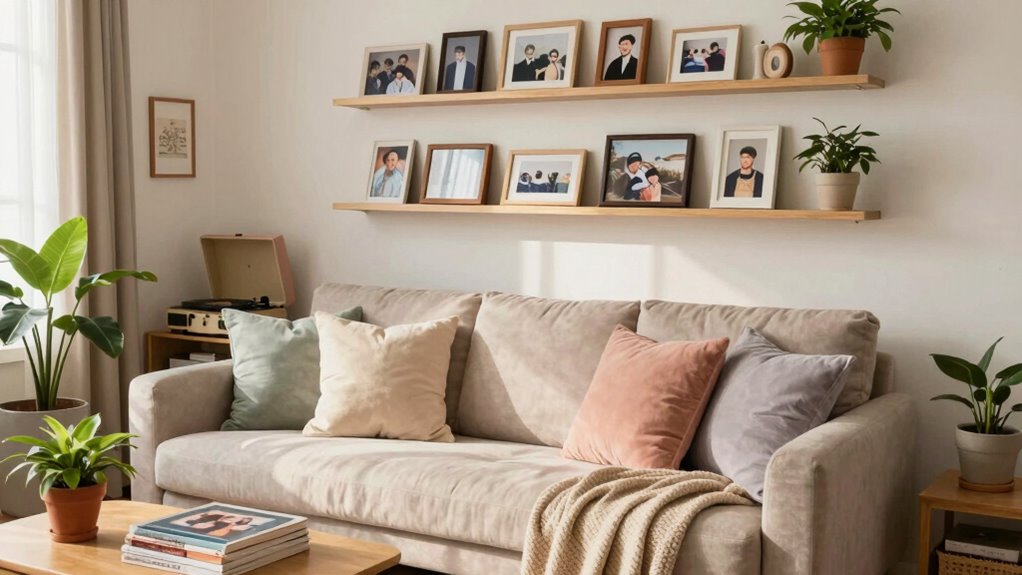

To create a memory-friendly space at home, keep your devices and files organized with clear labels and minimal clutter, making it easier to find things and reduce mental stress. Add calming elements like soft lighting or natural textures to stimulate your senses positively, but avoid overstimulation. Personalize your environment with your favorite colors, artwork, or meaningful objects to boost emotional connection. Focusing on these strategies can enhance focus and recall—exploring further will reveal how to perfect your space even more.

Get health and wellness essentials delivered free with Prime
- Fast, free delivery on millions of items
- Prime Video, Amazon Music and more included
- Member-only deals all year
Key Takeaways
- Organize digital files with clear labels and folders to reduce mental clutter and facilitate quick retrieval.
- Incorporate calming natural elements and bright lighting to enhance focus and sensory engagement.
- Use visual cues like color-coding and designated spots to create strong associations and improve memory.
- Personalize the space with favorite colors, artwork, or meaningful objects to boost emotional connection.
- Keep the environment tidy and clutter-free to minimize distractions and promote cognitive efficiency.
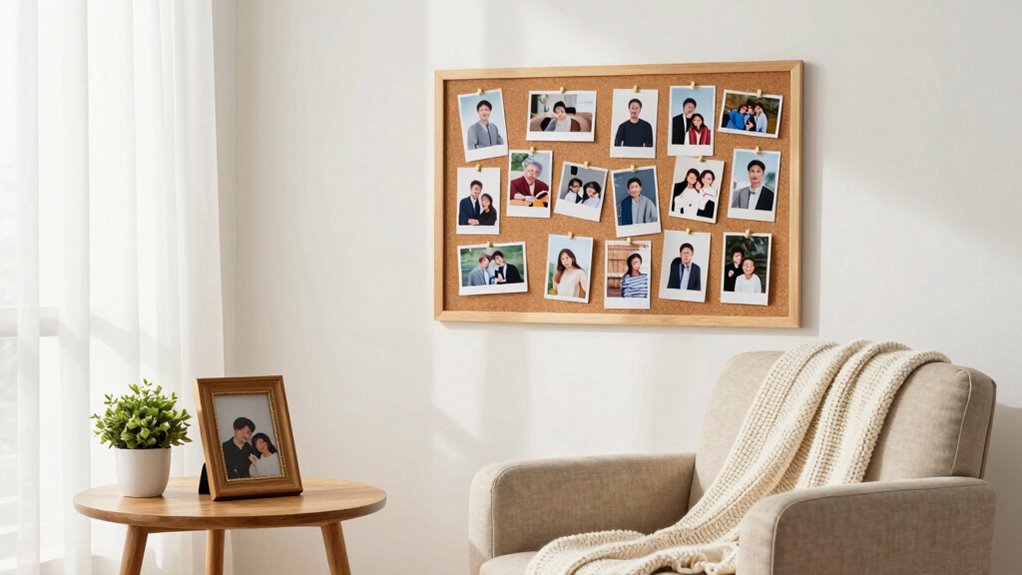
Creating a memory-friendly space at home can profoundly boost your ability to recall information and stay organized. When designing such a space, your focus should be on creating an environment that minimizes distractions while maximizing sensory stimulation in a positive way. Digital organization plays an essential role here; keeping your devices and digital files tidy helps reduce mental clutter. Use clear labels, organized folders, and minimal notifications to keep your digital world streamlined. When your devices are easy to navigate, your brain can allocate more energy to processing and retaining new information. This approach helps you build mental pathways that support memory retention.
Organize digital files and minimize notifications to boost focus and enhance memory retention at home.
Sensory stimulation is another key aspect of designing your space. Engaging your senses enhances memory by creating stronger associations with the information you want to remember. Incorporate calming, natural elements like plants or soft lighting to provide gentle sensory input that soothes your mind. Bright, natural light can improve alertness and focus, making it easier to absorb new information. Add textures, such as soft fabrics or textured accessories, to engage your tactile senses and foster a multisensory experience that makes your environment memorable. Avoid overwhelming your space with too many stimuli, as this can lead to overstimulation and distract from your goal of enhancing memory. Incorporating sensory engagement techniques can further deepen these connections and reinforce your memory.
Organize your space thoughtfully, grouping related items together to create visual cues that trigger your memory. For example, keep stationery in one dedicated spot or place frequently used books on an accessible shelf. These visual anchors serve as reminders and reduce the mental effort needed to find what you’re looking for. Use color-coding or labels to further strengthen associations and make retrieval easier. Keep your workspace clutter-free by regularly decluttering and maintaining a tidy environment. A clean space not only reduces distractions but also signals to your brain that it’s time to focus, reinforcing your memory-building efforts. Additionally, digital organization can significantly enhance your overall cognitive efficiency by streamlining your workflows and reducing mental clutter.
Finally, personalize your environment to make it inviting and comfortable. Your favorite colors, artwork, or meaningful objects can enhance emotional engagement and make the space more memorable. When you feel relaxed and connected to your environment, your brain is more receptive to learning and retaining new information. Incorporating visual cues, such as images or symbols that relate to your goals, can further strengthen memory associations. By combining digital organization, thoughtful sensory stimulation, and personalized touches, you create a space that actively supports your memory. The effort you put into designing this environment pays off in increased recall, better organization, and a more efficient way to handle daily tasks.
digital file organizer with labels
As an affiliate, we earn on qualifying purchases.
As an affiliate, we earn on qualifying purchases.
Frequently Asked Questions
How Can Technology Enhance a Memory-Friendly Environment?
Technology can boost your memory-friendly environment by utilizing digital tools and organizational apps. These resources help you keep track of appointments, tasks, and important information effortlessly. You can set reminders, create digital calendars, and use note-taking apps to organize thoughts and memories. By integrating these tools into your daily routine, you make it easier to remember key details, stay organized, and create a space that actively supports your memory retention.
What Colors Are Best for Improving Memory Retention?
Think of your space as a garden where colors are seeds that boost your memory. Bright blues and greens, guided by color psychology principles, stimulate calmness and focus, enhancing neuroplasticity exercises. These hues act like gentle watering, nurturing your brain’s ability to form new connections. Avoid overly harsh colors like reds or yellows, which can be distracting. Instead, cultivate a soothing environment that supports memory retention and mental growth.
How Often Should I Reorganize My Memory Space?
You should reorganize your memory space every few months to maintain ideal personal organization and clutter management. Regular updates help reinforce memories and prevent clutter from overwhelming your space, which can hinder memory retention. Stay attentive to changes in your needs or habits, and adjust your organization accordingly. Consistent reorganization keeps your space efficient and inviting, ensuring it continues to support your memory and overall mental clarity.
Can Scents Influence Memory Recall in the Home?
Did you know that scents can boost memory recall by up to 75%? Yes, olfactory cues play a powerful role in triggering memories. By using specific scents consistently in your home, you create scent associations that help you remember tasks and experiences more easily. Incorporate familiar smells like lavender or citrus in your space to enhance recall and make your environment more memorable and comforting.
Are There Specific Furniture Arrangements That Boost Memory?
Strategic furniture placement and thoughtful spatial organization can boost your memory. Arrange frequently used items and key areas within easy reach to reinforce routines and cues. Keep pathways clear to promote flow and reduce distractions, which helps your brain focus and retain information. Use consistent layouts for different zones, making it easier to recognize and remember functions. Proper furniture placement creates an environment that supports focus, recall, and overall cognitive clarity at home.
As an affiliate, we earn on qualifying purchases.
Conclusion
Creating a memory-friendly space is like planting a garden where each element nurtures your memories. With thoughtful organization, cozy touches, and personal mementos, you craft a sanctuary that keeps your past close and your heart warm. Remember, your home is the canvas, and each detail adds to the masterpiece of your life story. By nurturing this space, you guarantee your cherished memories bloom beautifully, filling your days with love and nostalgia.
tactile textured decor accessories
As an affiliate, we earn on qualifying purchases.
As an affiliate, we earn on qualifying purchases.
As an affiliate, we earn on qualifying purchases.
Cold & flu season Picks
humidifiers
As an affiliate, we earn on qualifying purchases.