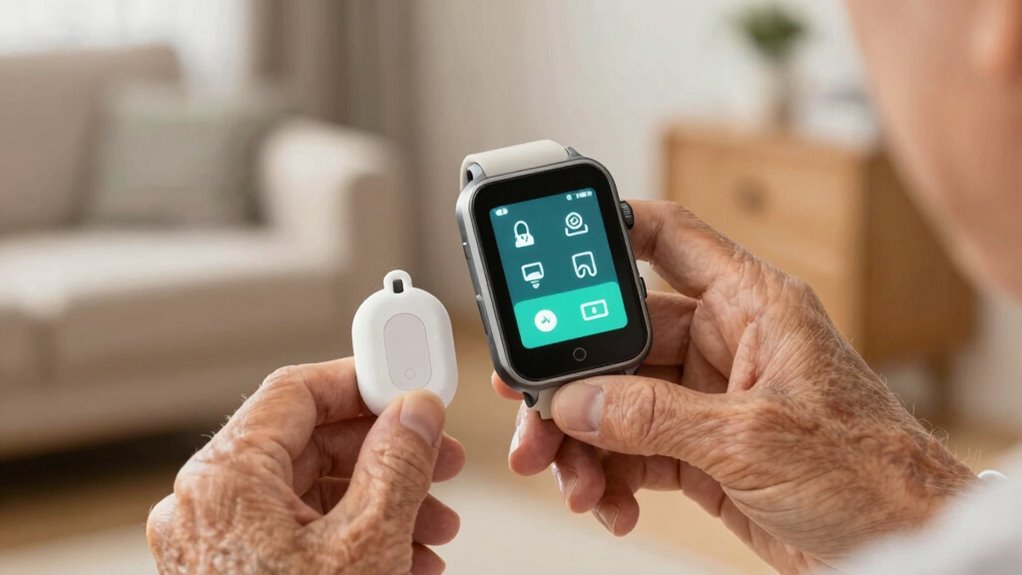

If you’re choosing between a medical alert watch and a pendant, consider what feels easiest for you. Watches are quick to access with a simple button press on your wrist, ideal if you’re active or prefer something familiar. Pendants are discreet and easy to activate around the neck, better for those who want a less noticeable option. To discover which suits your lifestyle best, see how each fits your daily routine and comfort.
Key Takeaways
- Medical alert watches offer quick, one-touch access with a familiar wrist interface, suitable for active seniors.
- Pendants provide discreet, easy-to-press access around the neck, ideal for those valuing privacy.
- Watches are less likely to be misplaced and can be worn during activities like bathing or exercising.
- Pendants can be hidden under clothing for discreet use while still providing emergency access.
- Personal preferences for style, comfort, and activity level influence which device is easier for a senior to use.
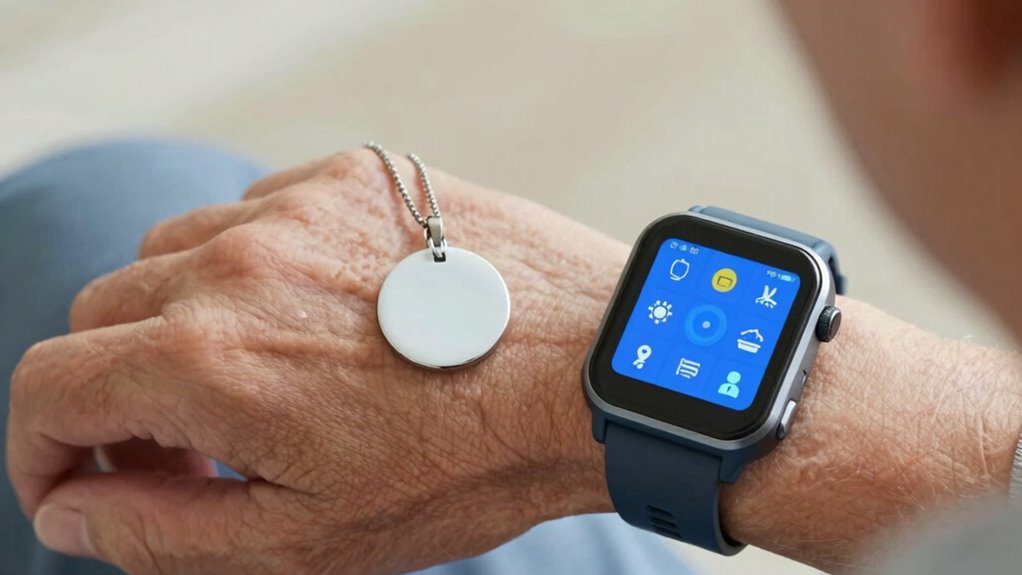
When choosing a medical alert device, understanding the differences between a medical alert watch and a pendant can help you make an informed decision. Both options are designed to provide quick access to emergency response services, but their usability and appeal vary depending on your needs and preferences. If you’re considering which device might be easier to use, think about how you want to access help during an emergency and what design preferences you favor.
Choosing between a medical alert watch and pendant depends on your lifestyle, style preferences, and how you want quick access during emergencies.
A medical alert watch offers the convenience of a wearable device that stays on your wrist all day. Its main advantage is quick access—simply press a button on the watch to connect with emergency responders. This can be especially helpful if you tend to be active or prefer having your device easily accessible at all times. The watch’s design often resembles a regular wristwatch, which can be less conspicuous and more comfortable for daily wear. Because of its form factor, it’s less likely to get lost or misplaced, and you can wear it during activities like bathing or exercising, ensuring continuous protection. For those who prioritize emergency response speed and prefer a device that’s always within reach, a watch might be the better choice.
On the other hand, a pendant offers a different set of advantages. Worn around the neck, it’s easy to access with a simple press, and some models have a long cord or chain for added comfort. Many seniors find pendants more discreet, as they can be worn under clothing, making it less obvious that they’re wearing a medical alert device. Design preferences often lean toward pendants because they can be customized in style, size, and color, allowing you to choose something that fits your personal aesthetic. Additionally, pendants are lightweight and don’t interfere with daily activities, which makes them popular among those who prefer a less bulky or conspicuous device. If you value a discreet, customizable option that you can wear around your neck, a pendant might suit you better. Furthermore, some pendants are designed with water resistance, making them suitable for various environments and activities.
Both devices can be equipped with features like filter maintenance reminders and easy-to-use buttons, making them practical for everyday use. Ultimately, both devices serve the same core purpose: providing quick emergency response access. The decision boils down to your lifestyle, comfort, and style preferences. If you want something that feels like a regular watch and offers immediate access at your wrist, a medical alert watch could be easier for you to use. If you prefer a discreet, customizable option that you can wear around your neck, a pendant might be the better fit. Both are effective, but your comfort and preference will determine which device feels more natural and easier to operate in an emergency.
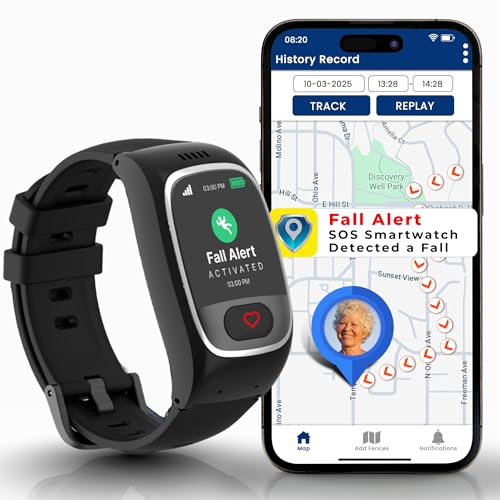
Seculife Smartwatch: Medical Alert Bracelet with GPS Tracker, Fall Detection Smart Watch, 2 Way Calling, SOS Button, Medical Watch, Emergency Device for Seniors, Life Alert System, Elderly Monitoring
🆘 𝐅𝐚𝐥𝐥 𝐃𝐞𝐭𝐞𝐜𝐭𝐢𝐨𝐧, 𝐒𝐎𝐒 𝐯𝐨𝐢𝐜𝐞 𝐜𝐚𝐥𝐥𝐬 𝐟𝐨𝐫 𝐒𝐞𝐧𝐢𝐨𝐫𝐬: When the smartwatch detects a fall or the heart button…
As an affiliate, we earn on qualifying purchases.
As an affiliate, we earn on qualifying purchases.
Frequently Asked Questions
Can Seniors Manually Operate Both Devices Without Assistance?
You can usually operate both devices without assistance, thanks to their simple user interfaces designed for seniors. The medical alert watch often features larger buttons and a clear display, making it easier to use independently. The pendant, being more straightforward with minimal controls, also offers durability to withstand daily use. However, some seniors might need initial guidance, especially if they struggle with small buttons or unfamiliar technology.
Are There Size Differences Affecting Comfort for Seniors?
Size variations can considerably impact comfort considerations for seniors. Medical alert watches tend to be larger and bulkier, which might cause discomfort or restrict movement for some users. Pendants are generally smaller and lighter, making them easier to wear for extended periods. When choosing a device, consider your comfort, ensuring it fits well without causing irritation or inconvenience. The right size helps seniors feel more confident and secure in daily use.
How Do Battery Life Spans Compare Between Watches and Pendants?
Battery longevity varies between medical alert watches and pendants. Watches typically have longer power duration because they often include larger batteries, providing several days of use before needing a recharge. Pendants usually have shorter battery life, often lasting one to two days, depending on the model. If you prioritize longer battery life and fewer recharges, a watch might be more convenient, but if simplicity matters most, a pendant could still serve well.
Are There Aesthetic Differences Influencing Seniors’ Preferences?
You’ll find that aesthetic appeal greatly influences seniors’ preferences, with 85% prioritizing style when choosing a medical alert device. Watches often resemble regular accessories, offering more style options that blend seamlessly with daily outfits. Pendants tend to be simpler and more traditional, which some seniors prefer for ease of use. Ultimately, your style preferences and comfort levels weigh heavily in choosing between the two, making appearance a key factor.
Do Both Devices Offer Similar Emergency Response Features?
Both devices offer similar emergency response features, including quick alerts to help in emergencies. You’ll find that device durability varies slightly, with watches often being more rugged, while pendants are lightweight. Connectivity options like cellular or Bluetooth guarantee reliable communication. Ultimately, your choice depends on what feels most comfortable and convenient for your daily use, but both are designed to provide prompt assistance when needed.

SecuLife New 2026 Fall Alert Device, Medical Alert Pendant with for Seniors, SOS Call, GPS Tracking & Reminders – Wearable Emergency Necklace for Elderly, Waterproof, 2-Way Calling, Panic Button
❤️ 𝐌𝐞𝐝𝐢𝐜𝐚𝐥 𝐀𝐥𝐞𝐫𝐭 𝐏𝐞𝐧𝐝𝐚𝐧𝐭 𝐰𝐢𝐭𝐡 𝐅𝐚𝐥𝐥 𝐃𝐞𝐭𝐞𝐜𝐭𝐢𝐨𝐧: Designed for seniors and individuals with medical conditions, this wearable alert…
As an affiliate, we earn on qualifying purchases.
As an affiliate, we earn on qualifying purchases.
Conclusion
When choosing between a medical alert watch and a pendant, it really boils down to your lifestyle and preferences. The watch offers a sleek, tech-savvy look, while the pendant feels like a trusted safety badge around your neck. Whichever you pick, know that it’s your lifeline—so effortless to use, it’s like having a personal superhero at your fingertips. Make your choice, and enjoy peace of mind that’s stronger than steel!
Seculife Smartwatch: Medical Alert Bracelet with GPS Tracker, Fall Detection Smart Watch, 2 Way Calling, SOS Button, Medical Watch, Emergency Device for Seniors, Life Alert System, Elderly Monitoring
🆘 𝐅𝐚𝐥𝐥 𝐃𝐞𝐭𝐞𝐜𝐭𝐢𝐨𝐧, 𝐒𝐎𝐒 𝐯𝐨𝐢𝐜𝐞 𝐜𝐚𝐥𝐥𝐬 𝐟𝐨𝐫 𝐒𝐞𝐧𝐢𝐨𝐫𝐬: When the smartwatch detects a fall or the heart button…
As an affiliate, we earn on qualifying purchases.
As an affiliate, we earn on qualifying purchases.

LogicMark Freedom Alert, Landline Personal Emergency Device, 2-Way Call with Family and Police for Home Safety, Device for Seniors and The Elderly
𝐀𝐓 𝐇𝐎𝐌𝐄 𝐏𝐑𝐎𝐓𝐄𝐂𝐓𝐈𝐎𝐍: You'll have peace of mind with this 2-way safety device that allows you to connect…
As an affiliate, we earn on qualifying purchases.
As an affiliate, we earn on qualifying purchases.