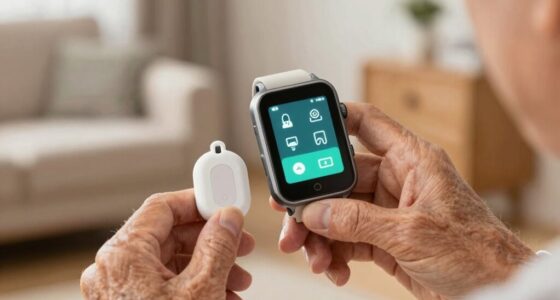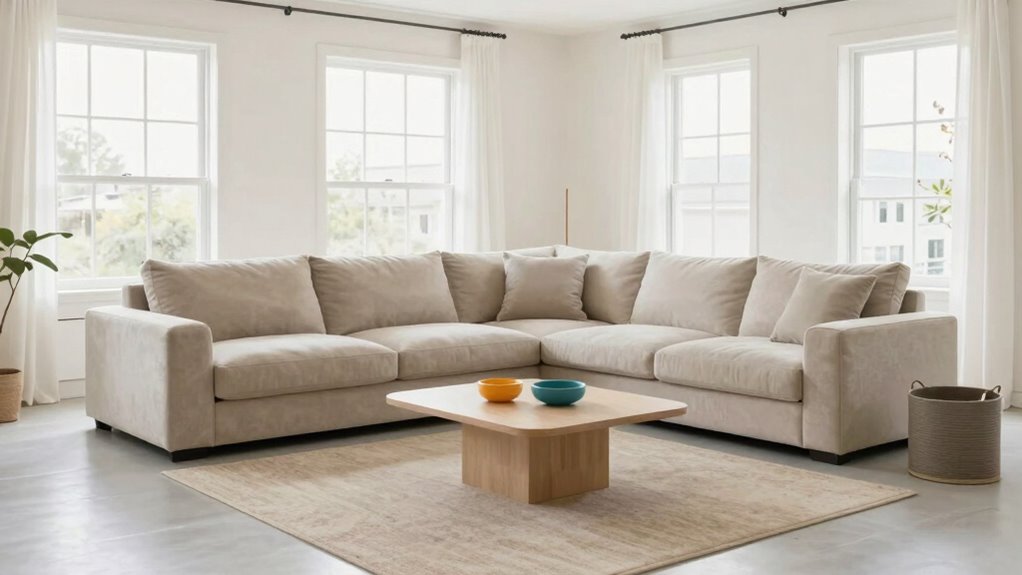

To create a transfer-friendly living space at home, arrange furniture to keep pathways clear and avoid blocking doors or windows. Incorporate modular furniture for easy reconfiguration, and use non-slip rugs with secure handrails for safety. Maximize natural light and layer lighting for better visibility. Use contrasting colors and textured surfaces for better navigation, and keep clutter to reduce hazards. By adjusting furniture and lighting based on needs, you’ll create a safer, more accessible environment—learn more to transform your space effectively.

Get health and wellness essentials delivered free — and shop member deals
- Fast, free delivery on millions of items
- Access to Prime Big Deal Days deals on October 6–7
- Prime Video, Amazon Music and more included
Key Takeaways
- Arrange furniture to ensure clear, unobstructed pathways for easy transfers and mobility.
- Incorporate non-slip rugs and secure handrails to enhance safety during transfers.
- Maximize natural and layered lighting to improve visibility and reduce fall risks.
- Use contrasting colors and textured surfaces to assist with spatial awareness.
- Keep frequently used items within reach to minimize the need for difficult transfers.
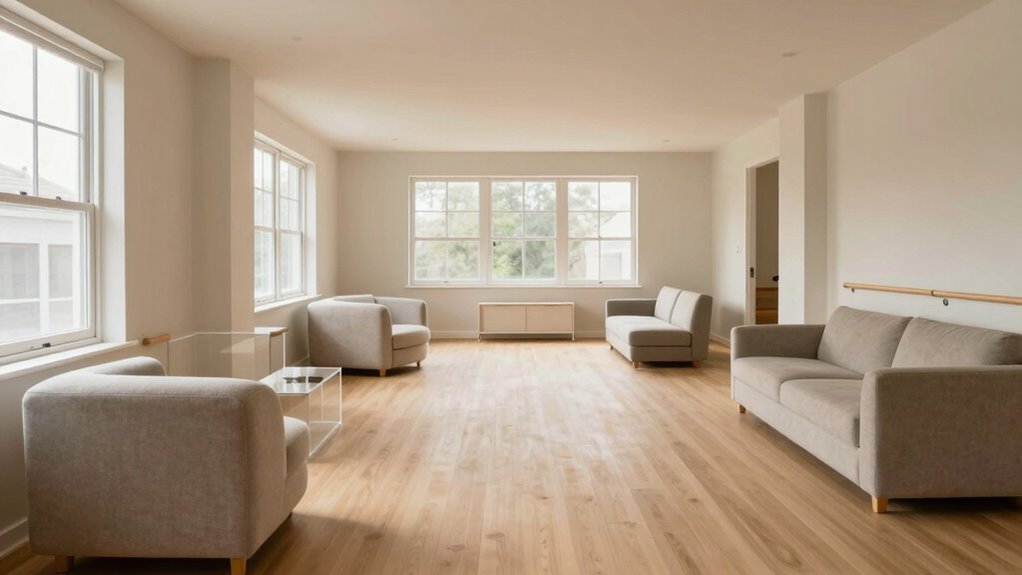
Whether you’re preparing for a move or simply want to make your space more adaptable, creating a transfer-friendly living environment is essential. The key lies in smart furniture placement and lighting optimization, both of which make your home more flexible and easier to navigate. When you arrange your furniture thoughtfully, you create clear pathways that facilitate movement and reduce clutter. Avoid blocking doorways or windows, and consider positioning larger pieces against walls to maximize open space. Modular furniture can be especially helpful, as it allows you to reconfigure your layout easily when needed. Keeping furniture away from high-traffic areas not only prevents accidents but also makes your space feel more open and accessible. Additionally, incorporating safety features such as non-slip rugs and secure handrails can further enhance safety during transfers. Landscaping elements can also contribute to a more harmonious environment by defining pathways and creating visual cues for safe navigation. Using visual cues like contrasting colors or textured surfaces can guide movement and improve spatial awareness.
Creating a transfer-friendly home with smart furniture placement and lighting enhances safety and accessibility.
Lighting plays a crucial role in transforming your environment into a transfer-friendly space. Proper lighting ensures that all areas are well-lit, which is important for safety and ease of movement. Optimize natural light by opening curtains and blinds during the day; this not only brightens the room but also creates a more inviting atmosphere. In addition, add layered lighting—overhead fixtures, task lights, and floor lamps—that can be adjusted based on your needs. Bright, well-placed lighting reduces shadows and helps you see obstacles clearly, making transfers safer and less stressful. Consider using motion-sensor lights in hallways and near staircases for added safety, especially during nighttime. Understanding the importance of contrast ratio can also help you choose lighting that enhances visibility and reduces glare. Moreover, selecting lighting with appropriate lumens can improve overall illumination and safety in your space. Including adjustable lighting options can further adapt your environment to changing needs and preferences.
You should also think about the height and accessibility of your furniture. Keep frequently used items at reachable heights to avoid unnecessary bending or stretching. This is especially important if you or someone in your household has mobility challenges. Choose furniture with rounded edges or soft corners to minimize injury risks during transfers. Additionally, clear away unnecessary clutter, which can be a tripping hazard and impede smooth movement. Use storage solutions that keep essentials within easy reach, so you don’t have to stretch or bend excessively. Incorporating natural elements such as plants can also promote a calming atmosphere and improve spatial awareness, making your environment even more transfer-friendly. Regularly reassessing and adjusting your setup ensures your home continues to meet your evolving needs and safety standards.
As an affiliate, we earn on qualifying purchases.
Frequently Asked Questions
What Are the Best Low-Cost Modifications for Transfer-Friendly Design?
You can make your space more transfer-friendly with simple, budget-friendly tweaks. Focus on furniture placement—keep pathways clear and avoid clutter to ease movement. Use contrasting color schemes to highlight accessible areas and make navigation easier. Adding non-slip rugs and installing grab bars in key areas also helps. These small modifications improve safety and functionality without breaking the bank, creating a comfortable environment for everyone.
How Can I Optimize Lighting for Easier Transfers?
To optimize lighting for easier transfers, you should focus on smart lighting solutions and natural illumination. Install adjustable smart lights that you can control easily, ensuring bright, even lighting in key areas like doorways and pathways. Maximize natural illumination by keeping windows unobstructed and using light-colored curtains. These strategies reduce shadows and improve visibility, making transfers safer and more comfortable. Proper lighting is essential for a transfer-friendly space.
Which Materials Are Safest for Mobility Aids?
Imagine smooth, sturdy surfaces under your hands—that’s what safe materials for mobility aids offer. Opt for lightweight, high-impact plastics, and rust-resistant metals like aluminum or stainless steel, ensuring material safety and mobility aid durability. These materials resist wear and tear, providing reliable support during transfers. Avoid slippery tiles or thin woods. Instead, choose textured, non-slip surfaces that keep you stable, boosting your confidence and safety with every move.
How Do I Involve a Healthcare Professional in Planning?
You should consult a healthcare professional early in your planning process to guarantee safety and effectiveness. They can recommend suitable assistive technology and guide modifications tailored to your needs. Engage in caregiver collaboration by sharing your goals and concerns, and ask for their expertise on space layout and mobility aids. This partnership helps create a transfer-friendly environment that promotes independence and reduces risks, making your home safer and more accessible.
What Are Common Mistakes to Avoid in Home Modifications?
Avoid common mistakes like poor furniture arrangement that blocks pathways or creates tripping hazards. Don’t overlook aesthetic considerations, which can make your space feel welcoming rather than clinical. Failing to measure doorways and hallways can turn simple modifications into frustrating puzzles. Always plan for accessibility needs first, then blend function with style. Think of your home as a well-rehearsed dance—every step and placement should flow seamlessly to prevent setbacks.
As an affiliate, we earn on qualifying purchases.
Conclusion
Designing a transfer-friendly home is like planting a sturdy, adaptable tree—you want roots deep enough to support growth and branches flexible enough to bend with your changing needs. I once helped a family transform their space, and seeing their confidence grow as they navigated their new layout was inspiring. Remember, a well-planned home isn’t just about today; it’s about creating a safe, accessible haven that blossoms with you through every season of life.
grab bars and handrails for stairs
As an affiliate, we earn on qualifying purchases.
As an affiliate, we earn on qualifying purchases.
modular furniture for small spaces
As an affiliate, we earn on qualifying purchases.
As an affiliate, we earn on qualifying purchases.
Fall Picks
fall essentials
As an affiliate, we earn on qualifying purchases.