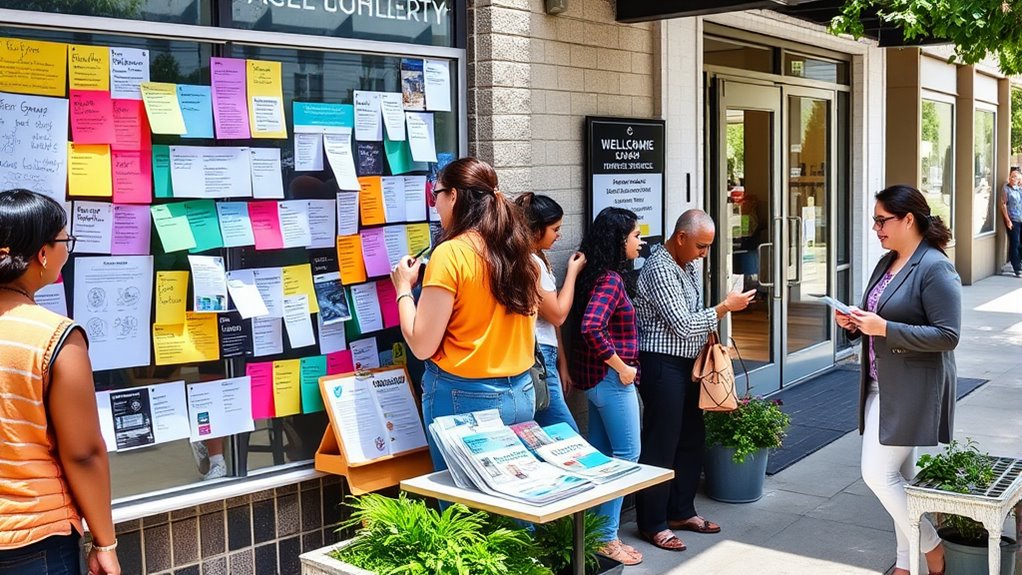

To find local support and community resources, start by checking nonprofit websites, community centers, and local government offices for listings of mental health services and support groups. Reach out to nearby clinics, hospitals, or faith-based organizations for guidance. Ask friends or family for recommendations or explore social media groups specific to your area. Volunteering can also connect you with others and strengthen your support network. Keep exploring—there are many ways to build the support system you need.

Get health and wellness essentials delivered free — and shop member deals
- Fast, free delivery on millions of items
- Access to Prime Big Deal Days deals on October 6–7
- Prime Video, Amazon Music and more included
Key Takeaways
- Use online directories, community bulletin boards, and social media groups to locate local mental health services and events.
- Visit community centers, libraries, and faith-based organizations for support groups and wellness programs.
- Contact local clinics, nonprofits, and government offices for information on available resources and volunteer opportunities.
- Reach out to organizations directly to learn about specific programs, services, and referral options.
- Ask friends, family, or neighbors for recommendations to discover additional local support networks.
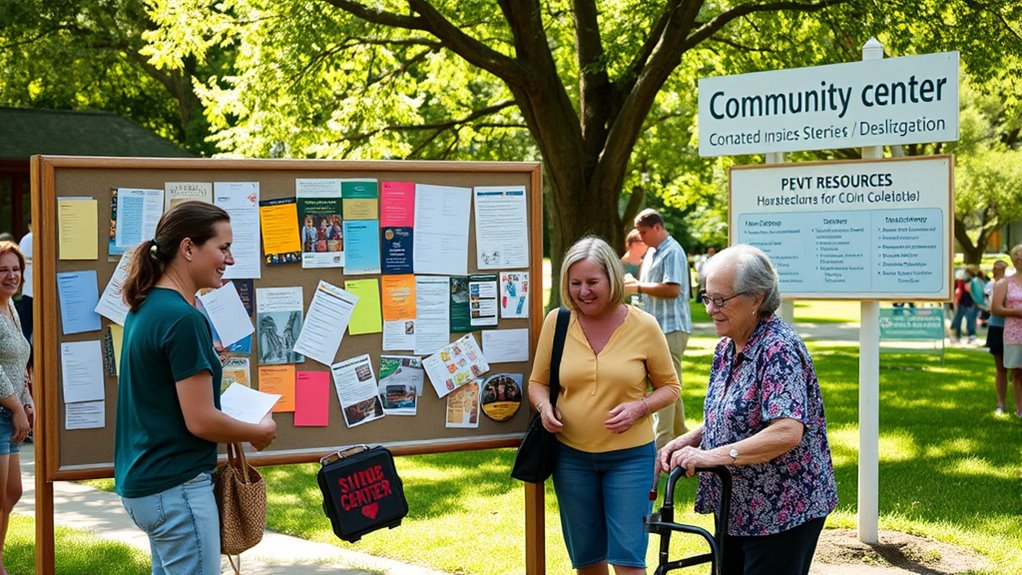
Are you unsure where to turn when you need help or community support? Finding the right resources can feel overwhelming, but knowing where to look makes a big difference. If you’re seeking mental health support, start by exploring local clinics, community health centers, or nonprofit organizations dedicated to mental wellness. Many communities offer free or low-cost mental health services, and some even have walk-in clinics or support groups that can provide immediate relief. Additionally, consider reaching out to local hospitals, which often have mental health departments or can refer you to specialized providers nearby. You might also find online directories or community bulletin boards helpful in identifying available services.
Start with local clinics, community centers, and nonprofit organizations for accessible mental health support and resources.
Another effective way to connect with your community is through volunteer opportunities. Volunteering isn’t just about giving back; it’s also a way to meet others, build relationships, and discover support networks that can bolster your well-being. Many organizations look for volunteers to help with mental health awareness campaigns, run support groups, or assist in community outreach programs. By volunteering, you not only contribute to your community but also gain a sense of purpose and belonging, which can markedly improve your mental health. Plus, volunteering can introduce you to like-minded individuals who understand your experiences, creating informal support systems that might extend beyond your initial involvement.
To find local support and community resources, check out nonprofit websites, community centers, or local government offices. Many cities and towns have resource directories that list mental health services, support groups, and volunteer opportunities. Libraries and faith-based organizations are also great starting points—they often host support groups or community events that promote mental wellness. Don’t hesitate to ask friends, family, or neighbors for recommendations, especially if they’ve had similar experiences or have been involved in community activities. Social media groups and online forums specific to your area can also be valuable tools for discovering upcoming events, volunteer openings, and local organizations dedicated to mental health.
Once you’ve identified potential resources, reach out directly to learn more about what they offer. Many organizations are happy to guide you through their programs and help you find the right fit. Remember, seeking help is a sign of strength, and connecting with community resources can provide the support you need during challenging times. Supporting Children Through Divorce is an example of how community resources and professional guidance can make a significant difference for families navigating separation. Whether it’s accessing professional mental health services or becoming involved in volunteer opportunities, taking that first step can open doors to ongoing support, friendship, and personal growth. So, start exploring today—you don’t have to do it alone.
mental health support group books
As an affiliate, we earn on qualifying purchases.
As an affiliate, we earn on qualifying purchases.
Frequently Asked Questions
How Do I Identify the Most Relevant Local Support Groups for My Needs?
To identify the most relevant local support groups, start by researching online directories and community boards that list local resources. Ask your healthcare provider or counselor for recommendations, and attend community events to connect with others. Consider your specific needs and look for groups that focus on those areas. Getting involved in your community not only helps you find the right support but also fosters meaningful community involvement.
Are There Online Platforms to Discover Community Resources Nearby?
Imagine scrolling through a digital map, lights flickering with virtual meetups and social media groups. Online platforms like Facebook, Meetup, and Nextdoor help you discover nearby community resources effortlessly. These tools connect you with local support networks, events, and groups tailored to your needs. By exploring these virtual spaces, you can find a sense of belonging and support right in your neighborhood, no matter where you are.
How Can I Access Support Services if I Am New to the Area?
When you’re new to the area, start by checking out neighborhood safety reports and local event calendars online to find support services nearby. Visit community centers or libraries, as they often have information on local groups, support networks, and safety resources. Don’t hesitate to ask neighbors or staff for recommendations—they can connect you quickly to essential support services and help you feel more secure in your new environment.
What Steps Should I Take to Volunteer in Local Community Initiatives?
You should start by researching local volunteering opportunities through community centers, libraries, or online platforms like VolunteerMatch. Attend community events to meet organizers and learn about ongoing initiatives. Reach out directly to local non-profits or charities to express your interest. Getting involved in community engagement activities helps you connect with others and makes a positive impact. Keep an open mind and stay committed to building relationships through volunteering.
How Do I Verify the Credibility of Local Support Organizations?
You might worry about trusting the wrong organization, but a credibility assessment can allay those concerns. Start with background verification by checking reviews, testimonials, and the organization’s registration status. Visit their website and contact them directly to ask about their mission and impact. Confirm their credentials with local authorities or watchdog groups. These steps ensure you’re supporting a reputable, trustworthy organization that genuinely helps your community.
community resource directory app
As an affiliate, we earn on qualifying purchases.
As an affiliate, we earn on qualifying purchases.
Conclusion
By now, you see how essential it is to tap into local support and community resources. Don’t wait for problems to pile up—reach out early and build a strong network. Remember, when you know where to look, help is often just around the corner. It’s better to be safe than sorry, so take the initiative today. Connecting with your community can make all the difference in overcoming challenges and thriving together.
As an affiliate, we earn on qualifying purchases.
As an affiliate, we earn on qualifying purchases.
Fall Picks
fall essentials
As an affiliate, we earn on qualifying purchases.