
TL;DR
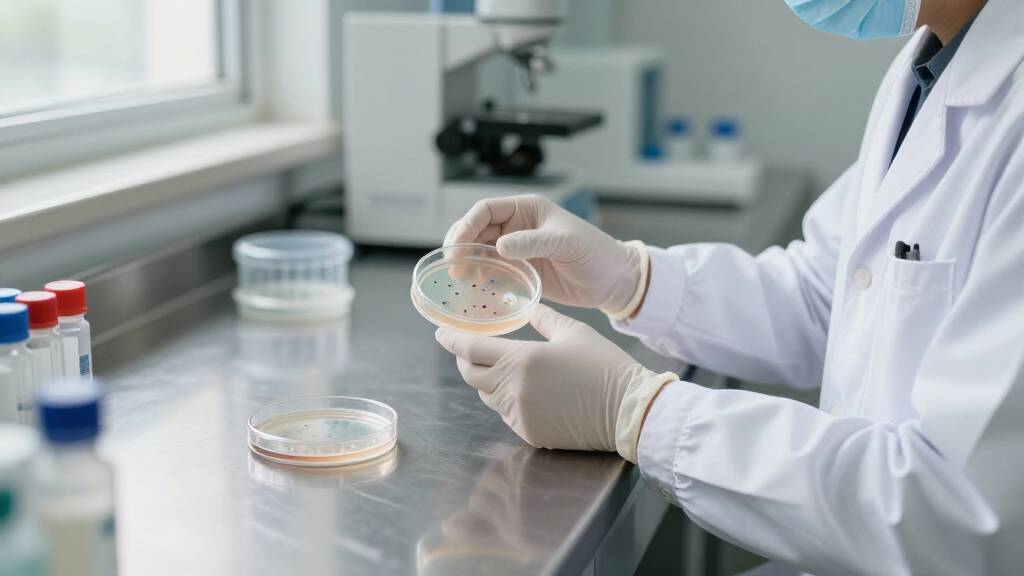
Health authorities are documenting a surge in Candida auris cases, a drug-resistant fungal infection. The development highlights growing concerns over antimicrobial resistance and hospital safety. The situation is evolving, with ongoing investigations into outbreak sources.
Health officials have confirmed a significant rise in cases of Candida auris, a multidrug-resistant fungal pathogen, across hospitals in the United States. This increase raises concerns about infection control and antimicrobial resistance, as authorities mobilize resources to contain the spread.
According to the Centers for Disease Control and Prevention (CDC), there have been over 1,500 confirmed cases of Candida auris in the US this year, representing a notable increase compared to previous years. The fungus is known for its resistance to multiple antifungal medications and its ability to cause severe infections, particularly in hospitalized or immunocompromised patients.
Health departments have identified several outbreaks linked to healthcare facilities, with some cases involving patients in intensive care units. The CDC has issued alerts urging hospitals to enhance infection prevention measures, including rigorous cleaning protocols and screening of at-risk patients.
While the exact source of the recent surge remains under investigation, preliminary findings suggest that lapses in sterilization procedures and the pathogen’s ability to persist on surfaces may contribute to its spread. Researchers emphasize that Candida auris is difficult to detect and eradicate, complicating containment efforts.
Implications of the Candida Auris Surge for Healthcare Safety
The rise in Candida auris infections underscores the growing threat of antimicrobial resistance, which complicates treatment options and increases healthcare costs. Its ability to spread rapidly in hospital settings puts vulnerable patients at heightened risk, prompting urgent calls for improved infection control practices nationwide.
Public health experts warn that if the trend continues, it could lead to more difficult-to-treat infections and higher mortality rates, especially among immunocompromised populations. The outbreak also highlights the need for ongoing research into new antifungal agents and rapid diagnostic tools.

PUREROX disinfectant (16oz, 2pk) Eliminate 99.9999% MRSA, Norovirus, Viruses, Fungus, Bacteria. Hospital Grade. Safe for Use Anywhere. No residue. Suitable for All Surfaces.
- Effective Virus and Bacteria Killer: Eliminates 99.9999% of pathogens
- Hospital Grade Disinfectant: EPA List N and Q approved
- Safe for All Surfaces: Compatible with delicate equipment
As an affiliate, we earn on qualifying purchases.
As an affiliate, we earn on qualifying purchases.
Background on Candida Auris and Recent Outbreaks
Candida auris was first identified in 2009 in Japan and has since been reported in over 30 countries. Known for its resistance to multiple antifungal drugs, it has caused outbreaks in healthcare settings globally. The CDC issued its first alert about Candida auris in 2016, warning of its potential to cause severe infections and its difficulty to control.
In the US, the number of cases remained relatively low until recent years, but the current surge marks a notable escalation. Previous outbreaks have been linked to contaminated surfaces and inadequate sterilization, emphasizing the importance of strict infection prevention measures.
Experts note that Candida auris can colonize patients and healthcare environments for extended periods, increasing the risk of transmission. The pathogen’s resilience and resistance make it a significant concern for hospitals and public health agencies.
“The increase in Candida auris cases is a serious public health concern, requiring enhanced infection control and surveillance.”
— Dr. Anne Schuchat, CDC Principal Deputy Director

CleanSmart Daily Surface Cleaner and Pet-Safe Disinfectant, 23 oz (2 pack)
- Virus and Bacteria Killer: Kills 99.9% of viruses and bacteria
- Versatile Surface Cleaner: Suitable for countertops, pet bowls, floors, and toys
- Pet and Food Safe: Safe to spray around food and pets
As an affiliate, we earn on qualifying purchases.
As an affiliate, we earn on qualifying purchases.
Unresolved Questions About Outbreak Sources and Spread
It is not yet clear what specific factors have contributed to the recent surge in Candida auris cases. Investigations are ongoing to determine whether environmental contamination, lapses in sterilization, or other factors are primarily responsible. Additionally, the full scope of the outbreak’s geographic spread and the effectiveness of current containment measures remain under assessment.

Sterilization of Medical Devices
- Sterilizes Medical Devices: Effective sterilization process for medical tools
As an affiliate, we earn on qualifying purchases.
As an affiliate, we earn on qualifying purchases.
Next Steps in Monitoring and Controlling Candida Auris
Health authorities plan to increase surveillance, enhance infection prevention protocols, and conduct further research into the pathogen’s transmission dynamics. Hospitals are expected to implement stricter sterilization procedures and screening programs. The CDC will continue to monitor the situation and issue updates as new information becomes available.
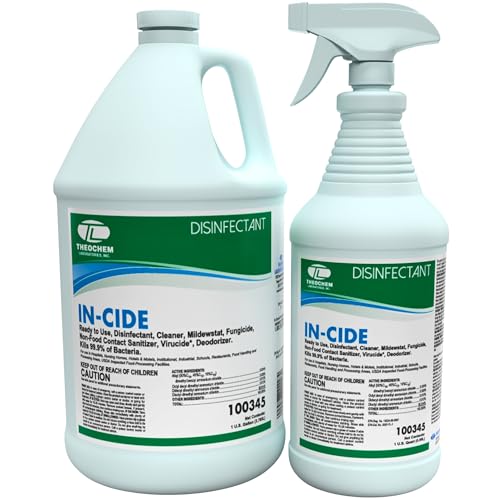
Theochem In-Cide Hospital Grade EPA Registered Disinfectant, 1 Gal + 32 oz
- EPA-Registered Hospital-Grade Disinfectant: Kills 99.9% of viruses and bacteria
- Effective Against MRSA and Influenza: Trusted by hospitals and schools
- Disinfects High-Touch Surfaces: Suitable for kitchens and bathrooms
As an affiliate, we earn on qualifying purchases.
As an affiliate, we earn on qualifying purchases.
Key Questions
What is Candida auris?
Candida auris is a multidrug-resistant fungus that can cause severe infections, especially in hospitalized or immunocompromised patients. It is known for its resistance to multiple antifungal medications and its ability to persist on surfaces.
How is Candida auris transmitted?
The exact transmission pathways are still being studied, but it is primarily spread through contact with contaminated surfaces or equipment in healthcare settings. Patient-to-patient transmission can occur if infection control practices are insufficient.
Why is Candida auris considered a serious threat?
Its resistance to many antifungal drugs makes infections difficult to treat, and its ability to spread in hospitals increases risk for vulnerable patients. Outbreaks can lead to severe illness and higher mortality rates.
What measures are hospitals taking to prevent spread?
Hospitals are increasing sterilization protocols, screening at-risk patients, and isolating infected individuals. Public health agencies recommend strict hand hygiene and surface disinfection to limit transmission.
Is there a cure or effective treatment for Candida auris?
Some antifungal medications remain effective, but resistance is common. Treatment depends on susceptibility testing, and research into new therapies is ongoing. Consulting infectious disease specialists is essential for management.
Source: google-trends