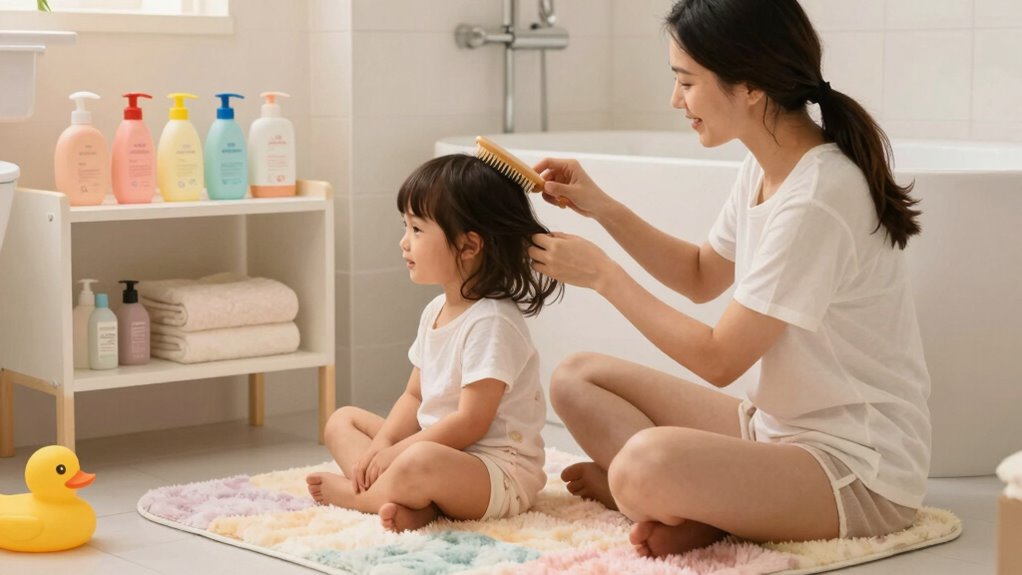

To make personal care less stressful, communicate clearly and calmly, explaining each step beforehand to set expectations. Use gentle techniques and observe non-verbal cues to gauge discomfort, adjusting as needed. Create a calm environment by reducing noise and offering choices to empower the person receiving care. Stay patient and empathetic, recognizing that routines may need adjustment over time. Prioritizing respectful, person-centered care helps both of you feel more comfortable—discover more tips to improve your caregiving approach.
Key Takeaways
- Establish a calm, predictable routine to reduce anxiety and build trust during personal care.
- Use clear, respectful communication and explain each step to ease concerns and promote cooperation.
- Observe non-verbal cues and adjust techniques to ensure comfort and address discomfort promptly.
- Incorporate patience and empathy, allowing time for adjustments and fostering a supportive environment.
- Create a relaxing environment by minimizing noise and distractions, and offering choices to empower the person receiving care.

Personal care routines can often become a source of stress for both caregivers and those receiving care, especially when schedules are tight or nerves are frayed. To make these moments smoother, it’s essential to focus on establishing effective self care routines that support both your well-being and theirs. A good starting point is to reflect on your own needs and limits. When you’re well-rested and emotionally balanced, you’re better equipped to handle the demands of caregiving without becoming overwhelmed. Incorporate small, regular self care routines—like taking breaks, staying hydrated, and practicing mindfulness—to maintain your energy and patience. Remember, caring for yourself isn’t selfish; it’s indispensable for providing consistent, compassionate care.
Equally important is how you communicate during personal care tasks. Clear, calm communication strategies can transform potentially tense moments into cooperative experiences. Use simple, direct language and avoid rushing through routines. Explaining each step beforehand helps the person receiving care understand what’s happening and reduces anxiety. For example, saying, “Now I’m going to wash your face,” gives them a chance to prepare themselves mentally. Listening carefully to their concerns and preferences also plays an essential role. If they express discomfort or resistance, acknowledge their feelings and seek alternatives or compromises. This approach fosters trust and makes the process more collaborative.
You should also pay attention to non-verbal cues. Sometimes, body language or facial expressions reveal discomfort even before words do. Adjust your approach accordingly—perhaps by changing your technique or offering reassurance. It’s helpful to create a calm environment by reducing noise and distractions, which can make the routine feel less overwhelming. Encouraging your loved one to participate as much as possible can also empower them and diminish feelings of helplessness. For example, offering choices like “Would you like to wash your face first or brush your teeth?” gives them a sense of control and dignity. Being aware of ear wax odor or other subtle odors can also help you monitor health issues, making the routine more attentive and responsive. Additionally, understanding emerging trends in health and caregiving can inform more effective approaches and techniques. Incorporating knowledge about gathering information from reputable sources can further improve your caregiving strategies and understanding of health cues. Recognizing the importance of inclusive practices in caregiving can also foster a more respectful and comfortable environment for everyone involved.
Finally, always be mindful of how you approach personal care routines. Patience and empathy go a long way in reducing stress. When you’re gentle and respectful, it encourages cooperation and helps maintain a positive connection. Keep in mind that developing effective communication strategies takes time and practice—what works today might need adjusting tomorrow. By prioritizing your self care routines and honing your communication skills, you create a more supportive environment where personal care becomes less stressful for both of you.
gentle personal care tools for elderly
As an affiliate, we earn on qualifying purchases.
As an affiliate, we earn on qualifying purchases.
Frequently Asked Questions
How Can I Encourage Independence During Personal Care Routines?
You can encourage independence during personal care by motivating them to take small steps and praising their efforts. Establish clear routines to create predictability, which boosts confidence. Break tasks into manageable steps, offer choices to foster autonomy, and gradually increase their responsibilities. Consistently supporting their progress helps them feel capable, making personal care less stressful and more empowering for both of you.
What Are Some Signs My Child Is Uncomfortable With Personal Care?
You might notice your child showing signs of discomfort with personal care, like pulling away, avoiding eye contact, or fidgeting. They could also become more irritable or reluctant during hygiene routines. Pay attention to their body language and hygiene cues that indicate discomfort, such as tense muscles or turning their head away. Recognizing these signs helps you adjust your approach, ensuring your child’s comfort and making personal care less stressful for both of you.
How Do I Handle Resistance or Tantrums During Hygiene Tasks?
When your child resists or tantrums during hygiene tasks, stay calm and patient. Use positive reinforcement by praising their cooperation, and try distraction techniques like singing or offering a favorite toy to shift their focus. Keep routines consistent, and give them choices when possible, like which soap to use. These approaches help reduce resistance, making personal care feel less stressful and more manageable for both of you.
What Tools Can Make Personal Care Easier for Children With Special Needs?
You can make personal care easier for children with special needs by using adaptive tools like ergonomic toothbrushes or easy-grip hairbrushes, which suit their specific needs. Incorporate sensory aids such as textured washcloths or calming scents to create a soothing environment. These tools help children feel more comfortable and in control, reducing resistance and making routines smoother for both of you.
How Do I Balance Supervision and Privacy for Teens During Personal Care?
You should establish clear supervision boundaries that respect your teen’s privacy during personal care. Ask your teen what level of privacy they’re comfortable with, and communicate your role as a supervisor rather than an intruder. Maintain open dialogue, allowing them to feel secure while ensuring safety. Balance privacy and supervision by gradually increasing independence, and always respect their growing need for autonomy during personal care routines.
calming personal care products for seniors
As an affiliate, we earn on qualifying purchases.
As an affiliate, we earn on qualifying purchases.
Conclusion
By approaching personal care with patience and understanding, you turn a potential storm into a gentle breeze. Think of it as tending a delicate garden—nurturing trust and comfort blossoms from small, caring actions. When you embrace empathy and clear communication, you create a sanctuary where stress dissipates like fog at dawn. Together, you transform a routine into a moment of connection, making personal care not a chore, but a shared ritual of love and kindness.
adaptive grooming aids for disabled
As an affiliate, we earn on qualifying purchases.
As an affiliate, we earn on qualifying purchases.
noise-reducing personal care environment
As an affiliate, we earn on qualifying purchases.
As an affiliate, we earn on qualifying purchases.