

If you notice persistent feelings of anxiety, exhaustion, or physical pain, it’s a sign your informal caregiving may no longer be enough. When you feel overwhelmed, frustrated, or see your loved one’s condition worsening despite your efforts, it’s time to take into account outside help. Recognizing your limits and setting boundaries can protect your health and ensure your loved one gets the care they need. Keep exploring to learn more about when and how to seek support.
Key Takeaways
- Persistent emotional exhaustion or mental health struggles indicate the need for external support.
- Physical signs like ongoing pain or fatigue suggest caregiving limits are reached.
- Increasing care complexity or worsening health conditions require specialized professional assistance.
- When safety concerns arise or care becomes unmanageable, seeking outside help is essential.
- Lack of personal boundaries or feeling overwhelmed signals it’s time to reassess caregiving strategies.

Informal caregiving can be an essential support system for loved ones, but it also comes with natural boundaries that caregivers need to recognize. While your dedication and compassion drive you to provide the best care possible, understanding when your efforts are no longer enough is indispensable for both your well-being and your loved one’s safety. One of the first signs to watch for is a decline in your emotional resilience. Caregiving can be emotionally taxing, often leading to feelings of frustration, helplessness, or burnout. If you notice persistent feelings of anxiety, depression, or irritability that don’t improve despite taking breaks or seeking support, it might be time to reassess your role. Emotional resilience isn’t limitless, and neglecting your mental health can impair your ability to care effectively. Recognizing these emotional signs helps you determine whether professional support or additional assistance is needed. Additionally, your mental health is a vital component of your overall caregiving capacity and should be monitored carefully.
Physical endurance is equally essential. Caregiving demands can quickly become exhausting, especially if you’re managing tasks that require lifting, mobility assistance, or constant vigilance. If fatigue becomes overwhelming, or if physical pain or injury starts to occur, it’s a clear signal that your physical limits are being reached. It’s important to remember that caregiving technology can sometimes alleviate physical strain by assisting with difficult tasks and reducing the risk of injury. Pushing through physical discomfort may seem noble, but it can lead to long-term health issues for you and compromise the quality of care you provide. When your body consistently feels drained or you’re experiencing recurring injuries, it’s time to consider alternative arrangements or additional help. Remember, you’re not just caring for your loved one—you need to care for yourself, too.
Knowing when caregiving is no longer enough also involves evaluating the complexity of your loved one’s needs. If their condition worsens or becomes more demanding—requiring specialized medical knowledge, medication management, or around-the-clock supervision—you might find that your capabilities are stretched beyond what you can safely manage. In such cases, professional caregivers or specialized facilities might be necessary to guarantee your loved one receives appropriate care. Recognizing caregiver limits and understanding when to seek outside assistance is crucial for sustainable caregiving.
Ultimately, setting boundaries isn’t a sign of failure; it’s a recognition of your limits. Maintaining your emotional resilience and physical endurance is essential to providing sustainable care. When you start feeling overwhelmed, it’s okay to ask for help or explore alternative options. Doing so isn’t neglecting your loved one—it’s ensuring they get the best care possible while safeguarding your health and well-being. Recognizing these signs early allows you to make informed decisions, so you can continue to support your loved one without risking your own stability.

Practical Dementia Caregiver Guide: Empowering Tips To Eliminate Burnout, Reduce Stress and Strengthen Relationships
As an affiliate, we earn on qualifying purchases.
As an affiliate, we earn on qualifying purchases.
Frequently Asked Questions
When Should I Consider Professional Caregiving Assistance?
You should consider professional caregiving assistance when your caregiver responsibilities become overwhelming, and your emotional resilience starts to decline. If you notice increased stress, exhaustion, or neglecting your own needs, it’s a clear sign. Also, if the senior’s condition worsens or requires specialized care, seeking help guarantees they get proper attention. Remember, professional help can provide relief for you and better care for your loved one.
How Can I Tell if My Loved One Needs Medical Intervention?
You can tell your loved one needs medical intervention if they show signs like worsening symptoms, confusion, or difficulty managing medication. Watch for changes in mobility, such as increased falls or inability to move easily, which indicate they may need professional help. If they’re struggling with medication management or their condition deteriorates despite your care, it’s time to seek medical assistance to guarantee proper treatment and safety.
What Signs Indicate Caregiver Burnout or Exhaustion?
Imagine carrying a heavy load up a steep hill—emotional resilience and physical fatigue are your signs. If you feel overwhelmed, irritable, or have difficulty sleeping, you’re likely experiencing caregiver burnout. Physical fatigue manifests as constant exhaustion, and emotional resilience drops, making everyday tasks harder. Recognizing these signs early helps you seek support before burnout becomes unmanageable. Trust your body and mind—they’re telling you it’s time to ask for help.
Are There Government Resources to Support Increased Care Needs?
Yes, there are government resources available to support your increased care needs. You can access community programs that offer services like home health assistance, respite care, and transportation. Financial aid options, including Medicaid and veterans’ benefits, can help cover caregiving expenses. Reach out to local agencies or online portals to explore eligibility and apply for support, ensuring you get the necessary help without overwhelming yourself.
How Do I Communicate Changes in Care Requirements to Family Members?
Think of family communication as the bridge connecting you and your loved ones’ hearts. When care needs change, sit down together and share clear, honest updates. Use care planning as your map, highlighting new requirements and solutions. Be gentle but direct, encouraging questions and input. This way, everyone stays on the same page, transforming a difficult conversation into a collaborative effort that strengthens your support network.
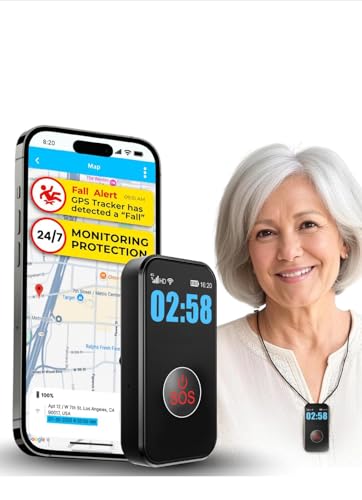
SecuLife Medical Alert Pendant for Seniors — Alerts Go Direct to Family, No Call Center | Auto Fall Detection, GPS Tracking, 2-Way Calling, No Contract, Waterproof Necklace
- Fall Detection and SOS Alerts: Automatically detects falls and sends SOS
- Easy Activation: Monthly subscription required for full features
- Two-Way Emergency Calling: One-touch calls with auto-answer feature
As an affiliate, we earn on qualifying purchases.
As an affiliate, we earn on qualifying purchases.
Conclusion
When your loved one’s needs outgrow your caring hands, it’s like trying to hold onto a slipping sandcastle — no matter how tightly you grip, some things are beyond your reach. Recognizing these limits isn’t a sign of failure, but a call to bring in the right help before the tide of exhaustion and worry washes you away. Trust your instincts, step back, and seek support — your well-being is just as crucial as theirs.

Lift Assist for Elderly,Aids for Disabled and Elderly with No-Slip Grip Handles,Standing Aids & Supports to Transfer Elderly, Senior, Bariatric, Patient Or Disabled,As Seen On Tv(Blue)
- Safe Standing Support: Helps elderly stand safely from sitting
- Easy to Use: Lightweight and simple to handle
- Non-Slip Handles: Textured grips for secure hold
As an affiliate, we earn on qualifying purchases.
As an affiliate, we earn on qualifying purchases.

SYNLETT Caregiver Pager with 2 Wireless Call Buttons for Home Care
- Portable Caregiver Pager: Includes 2 call buttons and 1 pager
- Easy to Use: One-touch SOS call for assistance
- Flexible Mounting Options: Belt clip, wall brackets, or lanyard
As an affiliate, we earn on qualifying purchases.
As an affiliate, we earn on qualifying purchases.