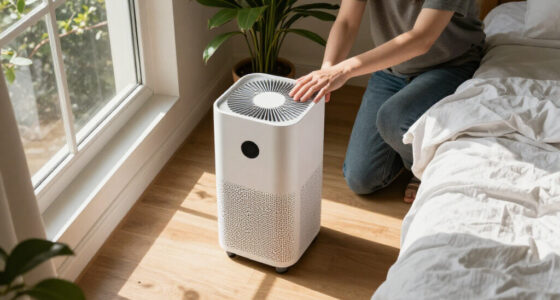

This checklist is for households building a small collection of everyday wellness tools for home use. It covers basic monitoring, comfort, muscle care, and keeping pills organized, with a named pick in each category.

Get health and wellness essentials delivered free with Prime
- Fast, free delivery on millions of items
- Prime Video, Amazon Music and more included
- Member-only deals all year
The sections are organized by what each tool does: temperature, blood pressure, and oxygen monitoring come first, followed by heat, foam rolling, and pill storage. Each slot includes buying considerations to help you compare the pick with your needs.
Use the checklist by checking fit, operation, and routine before choosing. Confirm that a device suits its intended users, read its instructions, and consider how and where you will store it. For health concerns or questions about readings, consult a qualified healthcare professional.
Digital Thermometer
A thermometer earns its place when you want a straightforward way to check temperature at home. The Digital No-Touch Forehead Thermometer for Adults and Kids is the pick for this slot, and its name points to forehead use without contact. Before choosing, check the product instructions for how to position it, how to start a reading, and how it signals completion. These details matter because technique can affect how consistently you use a thermometer.
A common mistake is assuming that every no-touch thermometer works the same way or is equally suitable for every person. Review the stated age guidance and any directions for measuring distance, cleaning, and use. Think about who will operate it: a simple display and controls can help when more than one household member may need to take a reading. Also consider whether the device is easy to keep accessible and whether its instructions are clear enough to follow when you are tired or in a hurry.
For a better fit, compare the thermometer’s specified use with your household’s needs rather than relying on the product title alone. Keep the instructions with the device and follow them each time. If readings seem inconsistent or you are unsure what they mean, contact a healthcare professional.
What to look for:
- Clear instructions for forehead placement and operating distance
- Age guidance that matches intended users
- An easy-to-read display and straightforward controls
- Cleaning and care directions
- A storage spot where the thermometer is easy to find
Digital No-Touch Forehead Thermometer for Adults and Kids
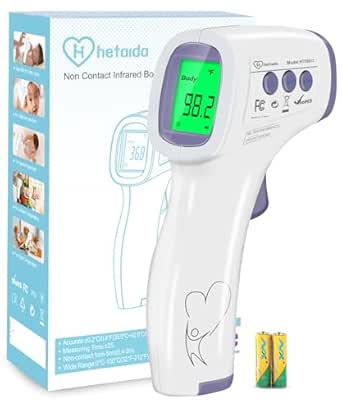
This infrared, non‑contact thermometer provides instant temperature readings in just one second with an accuracy of ±0.2 °C. It features a large backlit LCD that changes color based on fever levels, dual unit display (°F/℃), and can measure body, room, object, and liquid temperatures.
Pros:
- Fast 1‑second reading with high accuracy
- Non‑contact measurement reduces cross‑infection risk
- Multi‑mode: can measure body, room, object, and liquid temperatures
- Color‑coded LCD alarm quickly indicates fever
Cons:
- Designed for indoor use only
- Limited measurement distance (2‑3 inches)
- Requires battery replacement over time
Best for: Households looking for a no-contact forehead thermometer
Not ideal for: Anyone who needs a different measurement method
Bottom line: Choose it if its instructions and stated user guidance fit your household.
Blood Pressure Monitor
Home blood pressure checks can be useful when they are part of a routine and the monitor fits the person using it. The OMRON Platinum Blood Pressure Monitor & Upper Arm Cuff is the pick for this category. The upper-arm cuff makes sizing a key first check: consult the product’s stated cuff range and measure as directed to confirm a suitable fit. A cuff that does not match the user can make operation uncomfortable and readings less dependable.
A frequent buying mistake is selecting a monitor based only on brand or appearance without checking cuff fit, setup steps, and operating instructions. Review how the cuff is applied, how the display presents results, and what care the monitor requires. If multiple people will use it, check whether the instructions explain how to use it appropriately for each person. Set aside a calm place to take readings, and follow the same positioning and timing guidance provided with the device.
Use the monitor according to its manual, and ask a healthcare professional how often to measure and how to interpret results. Do not use a home reading by itself to make medication changes. If the cuff range or instructions do not match the intended user, compare another model with suitable specifications.
What to look for:
- Cuff range that matches the user’s measured arm
- Clear instructions for cuff placement and body position
- A display that is easy for the user to read
- Setup and care instructions that are practical to follow
- Guidance from a healthcare professional on using readings
OMRON Platinum Blood Pressure Monitor & Upper Arm Cuff
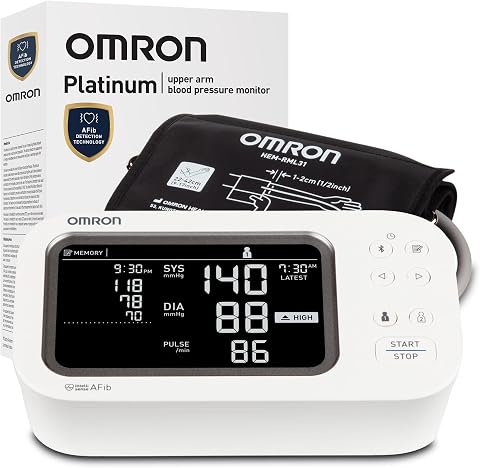
The OMRON Platinum Blood Pressure Monitor provides accurate readings with AFib detection and supports dual users. It connects via Bluetooth to the OMRON app for trend tracking and data sharing, making it ideal for regular home monitoring of heart health.
Pros:
- Accurate readings with AFib detection technology
- Supports dual-user memory for tracking two people’s data
- Bluetooth connectivity for easy data management and sharing
- Includes comprehensive accessories for immediate use
Cons:
- Requires batteries or AC adapter for power
- Cuff size may not fit very small or large arms
- Some users may find setup or app connection complex
Best for: People whose arm measurement fits the stated cuff range
Not ideal for: Users whose arm size falls outside that range
Bottom line: Check cuff fit and follow professional guidance before relying on home readings.
Pulse Oximeter
A fingertip pulse oximeter is a compact monitoring tool designed for placement on a finger, and this pick is the Fingertip Pulse Oximeter Blood Oxygen Saturation Monitor with OLED Scr. The product name identifies its form and display type, but it does not establish specific features or suitability for every user. Check the listing and instructions for the intended use, user guidance, and how to read the displayed information before deciding whether it fits your needs.
A common mistake is treating a device reading as a diagnosis or assuming that the same conditions produce comparable readings every time. Follow the manufacturer’s instructions for positioning and operation, and note any factors the instructions say may affect use. Check that the display is legible to the intended user and that the device can be operated comfortably. If you expect several people to use it, review cleaning directions and any age or fit guidance rather than assuming one size or process covers everyone.
Consider how you will store the device so it stays accessible and protected between uses. Ask a healthcare professional whether this tool is appropriate for your situation and what to do with a reading that concerns you. If the product details do not clearly explain its intended users and operating steps, compare another option with clearer guidance.
What to look for:
- Instructions that explain intended use and operation
- Age and fit guidance for intended users
- A display legible to the person using it
- Cleaning directions for shared use
- Professional guidance on interpreting readings
Fingertip Pulse Oximeter Blood Oxygen Saturation Monitor with OLED Screen, Lanya
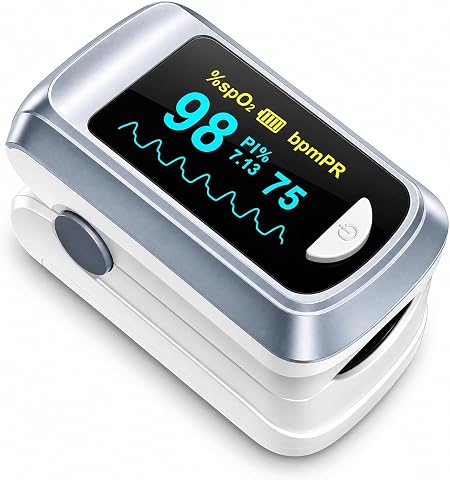
This compact pulse oximeter provides quick and clear readings of blood oxygen saturation (SpO2), pulse rate, and signal strength with a bright OLED display. It is easy to use with one-button operation, making it suitable for home, outdoor activities, and fitness monitoring.
Pros:
- Easy to read bright OLED display
- Portable and lightweight design
- Simple one-button operation for quick readings
- Includes batteries and accessories for immediate use
Cons:
- Limited to basic measurement features
- Requires AAA batteries (not rechargeable)
- May not be suitable for professional medical use
Best for: People whose intended use matches the product guidance
Not ideal for: Anyone needing clinical interpretation from the device alone
Bottom line: Confirm suitability and ask a healthcare professional how to interpret readings.
Heating Pad
A heating pad can be a useful comfort item when its size and instructions suit the way you plan to use it. The Sunbeam AdvancedHeat King-Sized Heating Pad is the pick here, and its name signals a larger format. Check the actual dimensions and care directions before buying so you know whether it will fit the intended area and your storage space. A larger pad may not be convenient for every setting or user.
One common mistake is choosing by size alone without reading the operating and safety instructions. Review how the pad is controlled, how long it is intended to be used, and any restrictions on placement or use. Consider who will handle it and whether the controls are easy for that person to understand. Follow the product’s directions for use and storage, and inspect the item as instructed. Do not assume a heating pad is suitable for every health condition or situation.
Think about where you will use it and whether the cord and controls can be managed comfortably in that space. Compare the listed dimensions with the area you want to cover and check any cleaning guidance. If you have a medical condition, reduced sensation, or uncertainty about safe use, ask a healthcare professional before using a heating pad. The best fit is the one whose directions you can follow consistently.
What to look for:
- Dimensions that suit the intended area and storage space
- Clear control and operating instructions
- Use limitations and safety guidance
- Care directions that fit your routine
- Controls manageable for the intended user
Sunbeam AdvancedHeat King-Sized Heating Pad

The Sunbeam AdvancedHeat King-Sized Heating Pad measures 12 x 24 inches and provides deep, fast heat penetration for effective muscle and joint pain relief. It features adjustable heat settings, moist heat option, and is soft, washable, and designed for maximum comfort.
Pros:
- Deep and fast heat penetration for effective pain relief
- Adjustable heat settings and moist heat option
- Large size covers extensive areas
- Machine washable and dryer-safe for easy care
Cons:
- May be too large for smaller areas
- Requires removal of controller for washing
- Potentially heavy due to size
Best for: People who want a larger-format heating pad
Not ideal for: Anyone whose intended use conflicts with the product instructions
Bottom line: Compare the dimensions and follow all use and safety directions.
Foam Roller
A foam roller can add a self-directed muscle-care tool to a home routine, provided its shape and firmness suit the user. The High-Density Foam Roller and Massage Tool Set is the pick for this slot. Check exactly what the set includes and review the roller’s dimensions and material details. The product name describes it as high-density, but compare the listed specifications with what feels manageable and appropriate for your intended use.
A common buying mistake is assuming that a firmer roller or a larger set is automatically a better match. Think about where you plan to use it, how much storage space you have, and whether you can comfortably position and control the tool. If the set includes multiple pieces, identify each item and its intended use from the product information rather than guessing. Clear guidance is especially useful if you are new to rolling or plan to share the set with someone else.
Follow the manufacturer’s directions and stop if use causes pain or discomfort. A foam roller is not a substitute for medical advice or treatment. If you have an injury, a health condition, or uncertainty about whether rolling is appropriate, ask a healthcare professional first. For everyday selection, prioritize manageable dimensions, understandable instructions, and a storage plan that makes the tool easy to put away after use.
What to look for:
- Roller dimensions that suit the user and available space
- Clear description of every item included in the set
- Material and firmness details in the product listing
- Instructions for positioning and use
- Storage that keeps the pieces together
High-Density Foam Roller and Massage Tool Set

This recovery set includes a foam roller, massage stick, peanut massage ball, plantar fasciitis ball, stretching strap, massage guide, and nylon carry bag. The high-density foam roller supports up to 300 lbs and is designed for stretching, exercise, and muscle massage.
Pros:
- Includes multiple massage and stretching tools
- Foam roller supports up to 300 lbs
- Comes with a portable nylon carry bag
Cons:
- No customer review details are provided
- The description makes performance claims without supporting measurements
Best for: People seeking a foam roller set for home use
Not ideal for: Anyone advised to avoid rolling or unsure if it is suitable
Bottom line: Check the included tools and follow guidance that fits your experience and needs.
Pill Organizer
A pill organizer can make a regular routine easier to manage when its compartments and carrying format suit the user. The Waterproof Pill Organizer Set with Removable Pouch System is the pick here. Check the product details for compartment layout, dimensions, and how the removable pouch attaches or separates. The title alone does not specify capacity or how pills should be stored, so confirm those details before relying on the organizer for a particular routine.
A common mistake is choosing an organizer without checking whether its compartments fit the prescribed schedule or whether the user can open and identify them easily. Consider dexterity, vision, and whether the organizer will stay at home or travel in a bag. Read the care and storage instructions, including any limits on moisture exposure; a waterproof product name does not replace checking the actual guidance. If several people share a household, keep each person’s medicines clearly separated and identified.
Use the organizer only in a way that preserves the medication’s labeling and storage requirements. Ask a pharmacist whether transferring a particular medicine from its original packaging is appropriate, especially when storage conditions matter. Confirm that the layout supports the routine without mixing medicines or obscuring instructions. A good fit is easy for the user to manage, simple to keep clean, and consistent with pharmacist guidance.
What to look for:
- Compartment layout that matches the routine
- Capacity and dimensions stated clearly
- A pouch system the user can open and reattach
- Care and moisture guidance beyond the product title
- Pharmacist advice for medicines with specific storage needs
Waterproof Pill Organizer Set with Removable Pouch System

This waterproof travel pill organizer features a durable, leather-look exterior with a removable binder-style system containing 14 sealed pill pouches. It offers flexible storage for pills, vitamins, and small first-aid items, with color-coded labels and mesh pockets for easy organization and portability.
Pros:
- Waterproof and durable design keeps medications secure and discreet
- Removable binder system allows flexible organization for up to 14 days
- Color-coded labels and writable pouches enhance sorting and identification
- Includes mesh pockets for additional storage of small items
Cons:
- May be bulky for minimalists or those with limited space
- Relies on manual labeling, which may require extra effort
- Not suitable for large pill quantities or bulk medication storage
Best for: People who want a removable pouch organizer system
Not ideal for: Anyone whose medicines must remain in original packaging
Bottom line: Confirm the layout and ask a pharmacist before transferring medicines.
Build your collection in the order that supports your routine: start with the tool you expect to use most, then add other items once their fit and instructions are clear. Check cuff range, device guidance, heating pad dimensions, roller details, and organizer layout before bringing each item home. A focused set of tools is easier to understand and maintain.
Choose products you can operate comfortably and store consistently, and keep their instructions nearby. For questions about symptoms, measurements, medicines, or whether a tool is right for you, turn to a healthcare professional or pharmacist. With a little attention to fit and use, you can make this checklist work for your household.