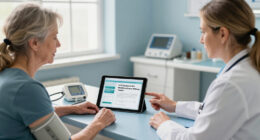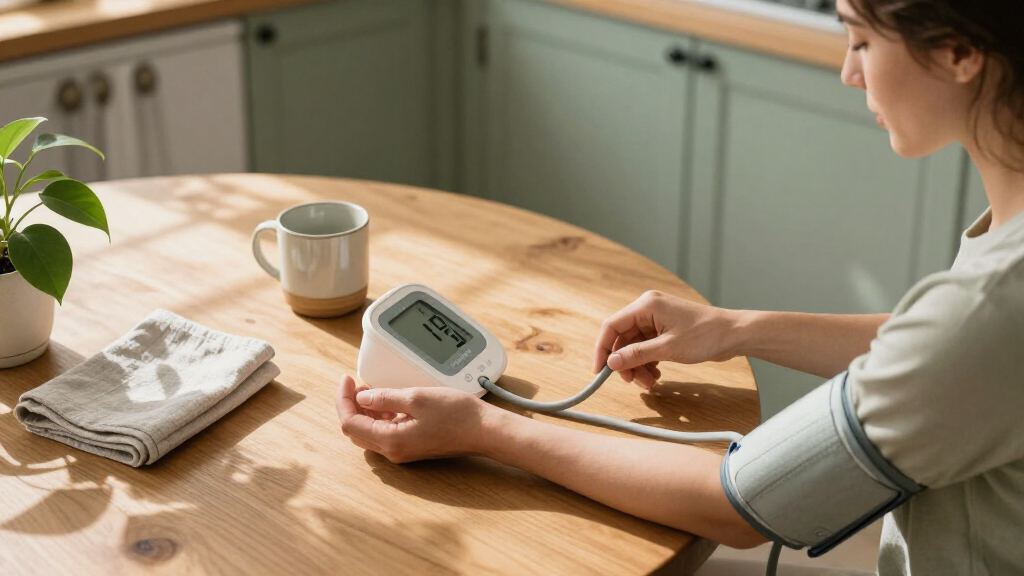

Digital blood pressure monitors vary widely in accuracy, cuff comfort, screen readability, and how easily they store your readings over time, and the wrong choice can mean inconsistent numbers you can’t trust. After comparing 15 leading models, the OMRON Silver Upper Arm Blood Pressure Monitor stands out as the best overall pick for its proven measurement consistency and straightforward one-touch operation. If budget is the priority, the Alcedo Upper Arm Monitor covers the basics well, while the iHealth Track Smart earns a spot for anyone who wants readings synced automatically to an app. The main tradeoff you’ll face is between validated accuracy and connectivity on one side, and lower cost with simpler hardware on the other. Keep reading for the full breakdown of all 15 monitors and which one fits your situation.

Get health and wellness essentials delivered free — and shop member deals
- Fast, free delivery on millions of items
- Access to Prime Big Deal Days deals on October 6–7
- Prime Video, Amazon Music and more included
Key Takeaways
- Upper-arm models from OMRON, iHealth, and Yuwell separated themselves from the budget tier mainly through cuff design and reading consistency, not flashy features.
- Rechargeable models like the Guaever and Oklar wrist monitor offer convenience, but you trade away the set-and-forget reliability of long-lasting replaceable batteries.
- Cuff range is the quiet dealbreaker in this roundup: monitors with wide-range cuffs (Runstar, iHealth Track) fit far more arm sizes than standard-cuff competitors, which matters more than screen size for accuracy.
- App connectivity splits the field into two camps — iHealth’s wireless options suit data-driven trackers, while OMRON‘s Silver, Bronze, and Iron models favor users who just want dependable on-device readings.
- The cheapest monitors in the lineup (AILE, Alcedo, the storage-bag generic) are viable for occasional checks, but users monitoring a diagnosed condition get better long-term value one tier up.
| Sinocare Upper Arm Blood Pressure Monitor with Adjustable Cuff |  | Best for Simple Two-Person Tracking | Measurement type: Upper arm | Screen: 3.6 inches | Cuff range: 8.6–16.5 inches | VIEW LATEST PRICE | See Our Full Breakdown |
| Alcedo Upper Arm Blood Pressure Monitor |  | Best for Guided, Averaged Readings | Measurement type: Upper arm | Display: LCD | Measurement averaging: Automatically averages 3 readings | VIEW LATEST PRICE | See Our Full Breakdown |
| Oklar Rechargeable Wrist Blood Pressure Monitor |  | Best Compact Rechargeable Pick | Measurement type: Wrist | Measurement time: About 35 seconds | Memory capacity: Up to 240 readings for two users | VIEW LATEST PRICE | See Our Full Breakdown |
| Runstar Upper Arm Blood Pressure Monitor with Wide Range Cuff |  | Best for a Large, Easy-to-Read Display | Measurement type: Upper arm | Cuff size: 8.6–16.5 inches | Display: 4.2-inch LCD, backlit and angled at 30° | VIEW LATEST PRICE | See Our Full Breakdown |
| Guaever Rechargeable Upper Arm Blood Pressure Monitor with Large Screen |  | Best for Rechargeable Shared Use | Measurement type: Upper arm | Battery: Built-in rechargeable lithium battery; up to 150 uses per charge | Display: Large LED screen | VIEW LATEST PRICE | See Our Full Breakdown |
| AILE Automatic Upper Arm Blood Pressure Monitor |  | Best Budget Duo-User Pick | Measurement type: Automatic upper arm | Cuff size: 8.7–16.5 in (22–42 cm) | Memory: 99 readings per user; 2 users | VIEW LATEST PRICE | See Our Full Breakdown |
| Invaxe Automatic Upper Arm Blood Pressure Monitor with Large Backlit Display |  | Best for Shared Long-Term Tracking | Measurement location: Upper arm | Display: 4.5-inch backlit LCD | User profiles: 2 | VIEW LATEST PRICE | See Our Full Breakdown |
| Yuwell Upper Arm Blood Pressure Monitor with Large Cuff |  | Best for Accessibility and Larger Arms | Measurement type: Upper arm blood pressure | Cuff circumference: 8.7–17.7 inches | Memory capacity: 99 readings | VIEW LATEST PRICE | See Our Full Breakdown |
| iHealth Track Smart Upper Arm Blood Pressure Monitor with Wide-Range Cuff |  | Best for Doctor-Ready Data | Measurement type: Upper-arm blood pressure | Display: Large multicolor backlit display | On-device memory: Up to 99 readings | VIEW LATEST PRICE | See Our Full Breakdown |
| iHealth Neo Wireless Upper Arm Blood Pressure Monitor |  | Best Travel Companion | Measurement location: Upper arm | Operation: One-button | Measurement time: 30 to 60 seconds | VIEW LATEST PRICE | See Our Full Breakdown |
| OMRON Silver Upper Arm Blood Pressure Monitor |  | Best for App-Based Trend Tracking | Measurement type: Upper arm blood pressure | Reading storage: Up to 30 readings on device | Connectivity: Bluetooth | VIEW LATEST PRICE | See Our Full Breakdown |
| Oklar Upper Arm Blood Pressure Monitor |  | Best Value for Two Users | Measurement type: Upper arm | Operation: One-button | Display: Backlit LED | VIEW LATEST PRICE | See Our Full Breakdown |
| Adjustable Upper Arm Blood Pressure Monitor with Storage Bag |  | Best Budget Starter Kit | User memory: 2 users, 120 readings per user | Cuff circumference: 8.7–16.5 inches | Power options: Type-C cable or 3 AA batteries | VIEW LATEST PRICE | See Our Full Breakdown |
| OMRON Bronze Upper Arm Blood Pressure Monitor |  | Best Entry-Level Smart Monitor | Monitor type: Upper arm blood pressure monitor | Memory: Up to 14 readings on device | Connectivity: Bluetooth | VIEW LATEST PRICE | See Our Full Breakdown |
| OMRON Iron Upper Arm Blood Pressure Monitor |  | Best for Reading Accuracy Discipline | Monitor type: Upper arm blood pressure monitor | Cuff fit: 9–17 inch arms | Irregular heartbeat detection: Yes | VIEW LATEST PRICE | See Our Full Breakdown |
| digital blood pressure monitor | Measurement type | Display |
|---|---|---|
| Sinocare Upper Arm Blood Press | Upper arm | — |
| Alcedo Upper Arm Blood Pressur | Upper arm | LCD |
| Oklar Rechargeable Wrist Blood | Wrist | Backlit LED |
| Runstar Upper Arm Blood Pressu | Upper arm | 4.2-inch LCD, backlit and angled at 30° |
| Guaever Rechargeable Upper Arm | Upper arm | Large LED screen |
| AILE Automatic Upper Arm Blood | Automatic upper arm | Large digital display |
| Invaxe Automatic Upper Arm Blo | — | 4.5-inch backlit LCD |
| Yuwell Upper Arm Blood Pressur | Upper arm blood pressure | — |
| iHealth Track Smart Upper Arm | Upper-arm blood pressure | Large multicolor backlit display |
| iHealth Neo Wireless Upper Arm | — | — |
| OMRON Silver Upper Arm Blood P | Upper arm blood pressure | — |
| Oklar Upper Arm Blood Pressure | Upper arm | Backlit LED |
| Adjustable Upper Arm Blood Pre | — | — |
| OMRON Bronze Upper Arm Blood P | — | — |
| OMRON Iron Upper Arm Blood Pre | — | — |
More Details on Our Top Picks
Sinocare Upper Arm Blood Pressure Monitor with Adjustable Cuff
The Sinocare is a straightforward choice for households that want two separate reading histories without a complicated setup. Its one-button operation and 3.6-inch screen keep routine checks simple, while posture detection and irregular heartbeat alerts add useful feedback during a measurement. Compared with the Alcedo Upper Arm Blood Pressure Monitor, it stores fewer readings per user and does not offer three-reading averaging or voice readings, so it suits people who value a plain interface over extra guidance. Its cuff spans 8.6–16.5 inches, close to Alcedo’s range, and it offers AAA or Type-C power. The tradeoff is that the Type-C cable is not included, and relying on batteries means keeping four AAA cells available.
Pros:- One-button operation keeps routine measurements simple
- Two profiles store up to 99 readings each
- Posture detection and irregular heartbeat alerts provide measurement feedback
- Can run on four AAA batteries or Type-C power
Cons:- Type-C cable is not included
- Stores fewer readings per user than the Alcedo and Guaever monitors
- Requires four AAA batteries when not using Type-C power
Best for: Two-person households who want simple upper-arm checks, separate measurement histories, and posture feedback.
Not ideal for: Users who want voice guidance or averaged readings, or who need more than 99 stored readings per person.
- Measurement type:Upper arm
- Screen:3.6 inches
- Cuff range:8.6–16.5 inches
- User profiles:2
- Reading storage:Up to 99 readings per user
- Power:4 AAA batteries or Type-C charging port
- Cuff pressure accuracy:±3 mmHg (±0.4 kPa)
- Pulse rate accuracy:±5%
Our verdict“Choose Sinocare for uncomplicated two-person tracking with posture alerts, and choose Alcedo if voice readings and three-measurement averaging matter more.”
Alcedo Upper Arm Blood Pressure Monitor
Alcedo makes a good case for buyers who want more context from each home check. It averages three measurements automatically, which can give users a steadier figure to record than a single reading, and its adjustable voice broadcast can make results easier to follow without watching the screen. Cuff-position and movement detection add practical prompts when setup is off. Compared with the Sinocare Upper Arm Blood Pressure Monitor, Alcedo stores more readings per person—120 rather than 99—and offers voice guidance, though the supplied details do not list Sinocare’s posture detection or dual power options. The 8.7–16.5-inch cuff range is a clear limit: people outside that circumference range should choose another fit. Its strength is guided measurement, not broad customization beyond voice settings.
Pros:- Automatically averages three measurements
- Adjustable voice broadcast can aid users who prefer spoken results
- Stores up to 120 readings for each of two users
- Cuff-positioning and movement detection provide setup feedback
Cons:- Cuff fits only arms measuring 8.7–16.5 inches around
- Product details do not specify a rechargeable power option
- Voice readings and averaging may be unnecessary for buyers seeking a basic one-button monitor
Best for: People who want spoken measurement guidance, three-reading averages, and a shared monitor with separate histories.
Not ideal for: Users with arm circumferences outside 8.7–16.5 inches or buyers who specifically want rechargeable power.
- Measurement type:Upper arm
- Display:LCD
- Measurement averaging:Automatically averages 3 readings
- User modes:2
- Memory:120 readings per user
- Cuff fit:Arms 8.7–16.5 inches in circumference
- Voice broadcast:Adjustable
- Measurement checks:Cuff positioning and movement detection
Our verdict“Pick Alcedo if spoken guidance and averaged readings are priorities, provided the cuff fits your arm.”
Oklar Rechargeable Wrist Blood Pressure Monitor
The Oklar is the lineup’s portable alternative for buyers who prefer a wrist cuff and a rechargeable design. Its built-in battery, Type-C charging, backlit display, and adjustable voice broadcast make it easier to use away from a fixed bedside setup. It also holds 240 readings for two users, more total history than the 198 combined readings on the Sinocare or Runstar upper-arm monitors. That capacity comes with a meaningful choice: this is a wrist monitor, while Sinocare and Runstar use upper-arm cuffs, so buyers should choose the measurement location they are comfortable using consistently. The wrist cuff fits 4.92–8.46 inches, and measurements take about 35 seconds. The charging adapter is not included, and the wrist format may not suit users who prefer an upper-arm monitor.
Pros:- Rechargeable built-in battery with Type-C charging
- Stores up to 240 readings for two users
- Backlit LED display and adjustable voice broadcast
- Automatic readings take about 35 seconds
Cons:- Charging adapter is not included
- Wrist measurement format may not fit users who prefer an upper-arm cuff
- Cuff range is limited to wrists measuring 4.92–8.46 inches
Best for: People who want a compact, rechargeable wrist monitor with shared tracking for two users.
Not ideal for: Buyers set on upper-arm measurements, or users whose wrist circumference falls outside 4.92–8.46 inches.
- Measurement type:Wrist
- Measurement time:About 35 seconds
- Memory capacity:Up to 240 readings for two users
- Cuff size:4.92–8.46 inches
- Battery:Built-in rechargeable battery
- Charging port:Type-C
- Display:Backlit LED
- Voice broadcast:Adjustable volume or can be turned off
- Automatic shutoff:After 60 seconds of inactivity
Our verdict“Choose Oklar for rechargeable portability and larger shared memory if a wrist cuff suits your measurement routine.”
Runstar Upper Arm Blood Pressure Monitor with Wide Range Cuff
Runstar’s defining advantage is how clearly it presents a reading: the 4.2-inch backlit LCD is angled at 30 degrees, making it easier to glance at from a seated position than the Sinocare’s 3.6-inch screen. Optional voice readings add another way to follow results, while the cuff-fit warning and irregular heartbeat alert offer useful prompts during a check. It measures blood pressure and pulse in about 30 seconds and keeps separate histories for two users. Compared with the Alcedo Upper Arm Blood Pressure Monitor, Runstar emphasizes screen visibility and cuff-fit feedback rather than three-reading averaging. Its cuff covers 8.6–16.5 inches, but correct placement still matters; the display cannot compensate for a poorly positioned cuff. Buyers wanting a wrist option should look to Oklar instead.
Pros:- Large 4.2-inch backlit LCD is angled for viewing
- Optional voice broadcast can make readings easier to follow
- Cuff-fit warning and irregular heartbeat alert provide feedback
- Stores 99 readings each for two users
Cons:- Reliable readings depend on correct cuff placement
- Cuff range is limited to 8.6–16.5 inches
- Upper-arm format is less compact than the Oklar wrist monitor
Best for: Users who benefit from a large angled display and want cuff-fit prompts on an upper-arm monitor.
Not ideal for: People who need a cuff outside 8.6–16.5 inches or prefer wrist measurement and rechargeable portability.
- Measurement type:Upper arm
- Cuff size:8.6–16.5 inches
- Display:4.2-inch LCD, backlit and angled at 30°
- Measurement time:About 30 seconds
- Memory:2 users, 99 readings per user
- Measurements:Blood pressure and pulse rate
- Alerts:Irregular heartbeat alert and cuff-fit warning
- Voice broadcast:Optional
Our verdict“Choose Runstar if display visibility and cuff-fit prompts matter more to you than averaging or a compact wrist design.”
Guaever Rechargeable Upper Arm Blood Pressure Monitor with Large Screen
Guaever pairs a rechargeable upper-arm design with a generous shared reading archive, making it a strong fit for households that want to avoid routine battery replacement. Its built-in battery is listed for up to 150 uses per charge, and the monitor stores 240 records total, split between two users. Voice prompts can be turned off, giving it more flexibility than the Alcedo Upper Arm Blood Pressure Monitor, whose voice broadcast is adjustable but whose supplied details do not specify rechargeable power. Guaever also adds an irregular heartbeat alert and a large LED screen. The tradeoff is dependence on recharging when the battery runs low, and its 22–42 cm cuff will not fit every arm. Compared with Runstar, it offers more shared memory but lacks a stated cuff-fit warning or measurement time.
Pros:- Built-in battery supports up to 150 uses per charge
- Stores 120 readings per user for two users
- Large LED screen and voice prompts that can be turned off
- Irregular heartbeat alert and heart rate monitoring
Cons:- Must be recharged when the built-in battery runs low
- Cuff fits only arm circumferences of 22–42 cm
- Product details do not specify a cuff-fit warning or measurement duration
Best for: Two-person households seeking rechargeable upper-arm monitoring with a large reading archive and optional voice prompts.
Not ideal for: Users with arm circumferences outside 22–42 cm or those who prefer replaceable batteries as a backup power source.
- Measurement type:Upper arm
- Battery:Built-in rechargeable lithium battery; up to 150 uses per charge
- Display:Large LED screen
- Voice prompts:Can be turned off
- Memory:240 records total; 120 per user for two users
- Cuff size:22–42 cm (8.7–16.5 inches)
- Heart rate monitoring:Yes
- Irregular heartbeat alert:Yes
Our verdict“Choose Guaever for rechargeable two-person upper-arm tracking with ample memory, if its cuff range fits.”
AILE Automatic Upper Arm Blood Pressure Monitor
The AILE keeps things refreshingly simple: one button, a large display showing systolic, diastolic, and pulse readings, and 99 dated readings per user across two profiles. Compared with the Invaxe, its storage is smaller, but for buyers who just want reliable daily readings without paying for extras like a backlight or bundled accessories, this stripped-down approach makes sense. The dual-battery flexibility — four AAA cells or external power — means you’re never stuck if the batteries die mid-week.
The tradeoff is precision in placement: cuff positioning is unforgiving, and sloppy placement will skew results. Unlike the Yuwell, there are no voice prompts or posture reminders to coach you into a correct reading, so it suits users who already know the routine rather than first-timers.
Pros:- One-touch automatic operation with no learning curve
- Dual-user memory with 99 dated readings each
- Runs on batteries or external power for flexibility
- Compact and light enough for travel
Cons:- Cuff must be positioned exactly as directed for accurate readings
- No backlight, voice guidance, or posture reminders compared with pricier rivals
Best for: Couples or two-person households who want straightforward shared tracking at a low price point
Not ideal for: First-time users who need coaching — there are no posture reminders or audio guidance to help with correct technique
- Measurement type:Automatic upper arm
- Cuff size:8.7–16.5 in (22–42 cm)
- Memory:99 readings per user; 2 users
- Display:Large digital display
- Power:4 AAA batteries or external power
- Weight:13.4 oz
- Dimensions:5.5 × 3.8 × 2.7 in
Our verdict“A no-frills dual-user monitor for buyers who value simplicity and shared memory over smart features.”
Invaxe Automatic Upper Arm Blood Pressure Monitor with Large Backlit Display
The Invaxe is the data-hoarder’s choice in this batch. With 199 readings per user across two profiles, it doubles the memory of both the AILE and the iHealth Track, meaning a couple taking two readings a day can go months without overwriting history. The 4.5-inch backlit display is also the easiest to read in a dim bedroom, beating the AILE’s non-illuminated screen. Its automatic averaging of the last three measurements smooths out daily fluctuation — a genuinely useful feature the AILE lacks.
Two frustrations hold it back from an easy top pick: the AC adapter is not included, so USB power requires a source you supply, and unlike the iHealth Track there’s no app export, so all that stored data stays locked on the device unless you log it manually.
Pros:- Generous 199-reading memory per user
- Large 4.5-inch backlit display for low-light reading
- Irregular heartbeat detection with averaging of last three readings
- Includes batteries, USB cable, and a velvet carrying bag
Cons:- AC adapter not included despite USB power support
- No app connectivity or data export for long-term digital records
Best for: Two users who log readings over long periods and want deep on-device history with a readable backlit screen
Not ideal for: Anyone who wants to export or share data digitally — there’s no app connectivity, unlike the iHealth options
- Measurement location:Upper arm
- Display:4.5-inch backlit LCD
- User profiles:2
- Reading storage:199 readings per user
- Average calculation:Average of the last 3 measurements
- Cuff size:9–17 in arm circumference
- Additional detection:Irregular heartbeat
- Power:USB cable or 4 AAA batteries
- Warranty:Lifetime
Our verdict“The strongest choice for couples who track heavily on-device and prioritize readable history over digital sync.”
Yuwell Upper Arm Blood Pressure Monitor with Large Cuff
The Yuwell stands out for two things no one else in this batch matches together: a voice broadcast of every reading and a cuff covering 8.7 to 17.7 inches — the widest range here, edging out the Invaxe’s 17-inch maximum. For users with low vision or larger upper arms, that combination is hard to beat. Its movement and posture reminders address the same accuracy problem the AILE simply ignores, gently correcting bad habits before they contaminate your logs.
The voice itself divides opinion: the American-accented narration isn’t to every taste, and there’s no mention of a mute option in the product details, so it may be awkward in shared spaces. Memory is also single-profile at 99 readings, so couples will fight over slots — the Invaxe is the better two-person option.
Pros:- Voice broadcasts each result for low-vision accessibility
- Widest cuff range in this batch at 8.7–17.7 inches
- Hypertension indicator plus irregular heartbeat and movement alerts
- Power adapter included, unlike the Invaxe
Cons:- Voice broadcast may be intrusive with no stated mute option
- Single-user memory only — no dual profiles
Best for: Users with low vision or larger arms who benefit from spoken readings and a wide-range cuff
Not ideal for: Couples needing separate profiles — memory is single-user, unlike the AILE or Invaxe
- Measurement type:Upper arm blood pressure
- Cuff circumference:8.7–17.7 inches
- Memory capacity:99 readings
- Average readings:Latest 3 measurements
- Alerts:Hypertension indicator, irregular heartbeat, movement and posture reminders
- Included accessories:Power adapter, batteries, arm cuff, manual, storage bag
Our verdict“The most accessible pick for larger arms and spoken results, provided one profile is enough for your household.”
iHealth Track Smart Upper Arm Blood Pressure Monitor with Wide-Range Cuff
The iHealth Track solves the biggest weakness of both the Invaxe and AILE: getting your readings off the device. Its free iOS and Android app offers unlimited cloud-backed tracking, far beyond the 99 on-device readings, and meeting ESH 2010 performance standards gives it a clinically recognized accuracy benchmark most budget rivals can’t claim. The color-coded display — green, amber, red — lets you gauge a reading’s severity at a glance, a subtle but genuinely useful step beyond the Invaxe’s plain numbers.
Those benefits come with strings. App tracking requires a compatible smartphone and Bluetooth 4.0, which rules out anyone with an older phone or no smartphone at all, and the documentation demands careful reading to get accurate results. If you want smart features without any phone dependency, the Yuwell’s voice output is the simpler route.
Pros:- Unlimited app-based tracking beyond the 99 on-device readings
- Color-coded backlit display for instant severity reading
- Heart rhythm disturbance alerts
- Meets ESH 2010 clinical performance standards
Cons:- App features require a compatible smartphone and Bluetooth
- Instructions must be followed closely for accurate results
Best for: Tech-comfortable users who want to export unlimited readings and share clean reports with their doctor
Not ideal for: Anyone without a compatible smartphone — the unlimited tracking is locked behind Bluetooth and the app
- Measurement type:Upper-arm blood pressure
- Display:Large multicolor backlit display
- On-device memory:Up to 99 readings
- App compatibility:iOS 12.0+; Android 9.0+
- Connectivity:Bluetooth 4.0 or later
- Cuff size:8.7–16.5 in (22–42 cm)
- Power:4 AAA batteries
- Standards:Meets ESH 2010 performance standards
- Warranty:12 months
Our verdict“The best pick for turning home readings into shareable, doctor-ready records — as long as you carry a smartphone.”
iHealth Neo Wireless Upper Arm Blood Pressure Monitor
The iHealth Neo is the packable option here. Its ultra-thin, rechargeable design dispenses with disposable batteries entirely — up to 130 measurements per charge means a multi-week trip on one top-up, where the iHealth Track would have you hunting for AAA cells. Like the Track, it syncs over Bluetooth to the MyVitals app and exports to CSV, XLS, and PDF, and being clinically validated puts it a credibility notch above unvalidated budget models like the AILE. No calibration required also removes a recurring maintenance chore.
What you give up is standalone depth: the Neo leans on the app for storage and management, so without your phone it’s far less useful. On-device memory isn’t its strength, and buyers who prefer a big fixed bedside unit with a roomy screen — like the Invaxe’s 4.5-inch display — will find the Neo’s compact panel a compromise.
Pros:- Clinically validated accuracy in a slim portable frame
- Rechargeable battery delivers up to 130 readings per charge
- Exports data to CSV, XLS, and PDF for sharing
- Fast 30–60 second measurements with one-button operation
Cons:- Depends on the MyVitals app for syncing and data management
- Compact display is a step down from larger bedside units like the Invaxe
Best for: Frequent travelers and commuters who want a validated, rechargeable monitor that slips into a bag
Not ideal for: Users who dislike app dependence — data management lives almost entirely in MyVitals
- Measurement location:Upper arm
- Operation:One-button
- Measurement time:30 to 60 seconds
- Battery:950mAh rechargeable lithium
- Measurements per charge:Up to 130
- Connectivity:Bluetooth 4.0
- Compatible app:MyVitals
- Data export formats:CSV, XLS, PDF
- Calibration:None required
Our verdict“The go-anywhere choice for validated readings on the road, provided you’re happy managing everything through the app.”
OMRON Silver Upper Arm Blood Pressure Monitor
This model stands out as the strongest choice for long-term tracking in this batch. While the device itself holds 30 readings, the Bluetooth connection to the OMRON Connect app unlocks unlimited storage, trend charts, and shareable reports — something the Oklar and the generic adjustable-cuff monitor simply can’t match. The irregular heartbeat detection and hypertension indicator turn raw numbers into actionable context, which matters if you’re monitoring between doctor visits. Compared with the OMRON Bronze, the Silver doubles the onboard memory (30 vs. 14 readings), making it the better pick if you occasionally skip syncing. The tradeoff: without the app, storage is limited, and it costs more than the value-tier options here.
Pros:- Bluetooth syncing to OMRON Connect for unlimited storage and report sharing
- Irregular heartbeat detection plus a hypertension indicator on every reading
- 30 onboard readings — double the OMRON Bronze
- Wide 9–17 inch ComFit cuff plus case and batteries included
Cons:- Only 30 readings stored on device without the app
- Pricier than one-button budget monitors like the Oklar
Best for: People managing hypertension who want to log readings over months and share trend reports with their doctor
Not ideal for: Buyers who want a simple standalone device with deep onboard memory and no app dependency
- Measurement type:Upper arm blood pressure
- Reading storage:Up to 30 readings on device
- Connectivity:Bluetooth
- App compatibility:OMRON Connect; Apple Health and Google Fit
- Cuff fit:Arms 9–17 inches
- Included:Monitor, ComFit cuff, storage case, guides, four AA batteries
- Features:Advanced Accuracy Technology, irregular heartbeat detection, hypertension indicator
Our verdict“This pick makes the most sense for anyone whose care plan depends on long-term data, not just spot checks.”
Oklar Upper Arm Blood Pressure Monitor
For straightforward no-app monitoring on a budget, the Oklar is hard to beat in this lineup. Its 120 readings per user across two profiles dwarfs the OMRON Silver’s 30-reading onboard limit, so couples tracking their numbers daily can go weeks without worrying about storage. The one-button operation and backlit LED display deliver a full reading in about a minute, which makes it friendlier for elderly users than app-pairing models like the Silver or Bronze. It lacks the OMRON lineup’s irregular heartbeat alerts, and the Type-C power option is a convenience rather than a rechargeable battery — you’ll still be buying AAs or staying tethered to a cable. Compared with the generic adjustable-cuff monitor, the display here is brighter and easier to read in dim rooms.
Pros:- Two user profiles with 120 readings each
- One-button operation with a large backlit display
- Dual power: three AA batteries or the included Type-C cable
- Readings complete in about one minute
Cons:- Not rechargeable despite the Type-C port
- No Bluetooth, app support, or irregular heartbeat detection
Best for: Couples or caregivers who want shared two-user memory and a big readable display without paying for app connectivity
Not ideal for: Anyone who wants irregular heartbeat detection or wireless data syncing with a doctor’s report
- Measurement type:Upper arm
- Operation:One-button
- Display:Backlit LED
- Reading time:About 1 minute
- User profiles:2
- Memory:120 readings per user; 240 total
- Power:3 AA batteries or Type-C cable
- Cuff range:8.7–15.7 inches (22–40 cm)
Our verdict“This model is better suited to budget-minded households that value onboard memory and simplicity over smart features.”
Adjustable Upper Arm Blood Pressure Monitor with Storage Bag
This is the lowest-commitment entry point in the roundup — a true grab-and-go kit. It shares the two-user, 120-reading memory of the Oklar but stretches the cuff range to 16.5 inches, giving it slightly better fit coverage for larger arms, and the included storage bag makes it a sensible pick for travel or keeping everything in one place. One-touch operation and a large display keep the learning curve flat, which is why this option stands out for first-time users who just want a reading without setup rituals. The tradeoff is capability: unlike the OMRON Silver, there’s no app, no irregular heartbeat flag, and no hypertension alert — you get numbers, not interpretation.
Pros:- Two-user memory with 120 readings each
- Slightly wider cuff range (up to 16.5 inches) than the Oklar
- Type-C or AA battery power for flexibility
- Storage bag and full documentation included
Cons:- No connectivity, heartbeat detection, or hypertension indicator
- Cuff maxes out at 16.5 inches — tighter than the OMRON models’ 17-inch fit
Best for: First-time buyers or infrequent checkers who want a complete, affordable kit with a slightly roomier cuff
Not ideal for: People with diagnosed hypertension who need irregular heartbeat alerts and sharable trend data
- User memory:2 users, 120 readings per user
- Cuff circumference:8.7–16.5 inches
- Power options:Type-C cable or 3 AA batteries
- Operation:One-touch
- Included accessories:Type-C cord, instruction manual, user guide, storage bag
Our verdict“A sensible bare-basics pick for occasional monitoring, as long as you don’t need diagnostic alerts or digital record-keeping.”
OMRON Bronze Upper Arm Blood Pressure Monitor
The Bronze is the cheapest way into the OMRON ecosystem without giving up clinical credibility. You still get Advanced Accuracy Technology, irregular heartbeat detection, and the hypertension indicator — the same health features as the Silver — plus Bluetooth syncing to OMRON Connect with Apple Health and Google Fit support. The cut comes in onboard memory: just 14 readings without the app, versus 30 on the Silver and 240 on the Oklar. That makes it the right pick if you reliably sync to your phone and want the lightest-priced OMRON, but a frustrating one if you’re app-averse. Compared with the iHealth Track, it holds its own on alerts and app polish, though iHealth offers more standalone memory.
Pros:- Same irregular heartbeat and hypertension detection as the pricier OMRON Silver
- Bluetooth app syncing with Apple Health and Google Fit
- Wide-range D-ring cuff fits 9–17 inch arms
- Storage case and batteries included
Cons:- Only 14 readings stored on the device itself
- Effectively requires the app for meaningful tracking
Best for: Smartphone owners who will sync regularly and want OMRON-grade accuracy alerts at the lowest entry price
Not ideal for: Users without a smartphone or those who dislike apps — 14 onboard readings fill up fast
- Monitor type:Upper arm blood pressure monitor
- Memory:Up to 14 readings on device
- Connectivity:Bluetooth
- App compatibility:OMRON Connect; Apple Health; Google Fit
- Cuff size:Fits arms 9–17 inches
- Irregular heartbeat detection:Yes
- Hypertension indicator:Yes
- Included:Monitor, wide-range D-ring cuff, storage case, guides, four AA batteries
Our verdict“The smart move for connected buyers on a budget — just plan to sync rather than store.”
OMRON Iron Upper Arm Blood Pressure Monitor
The Iron addresses a problem most monitors ignore: you. Its body movement detection flags when you fidget during a measurement — the single most common cause of misleading readings — alongside the irregular heartbeat alerts found on the Silver and Bronze. That makes it the pick for people whose readings seem to swing wildly and who want the device to police technique. One-touch operation keeps it simple, and the 9–17 inch cuff matches the wider OMRON fit range. The drawback is functional bareness: no Bluetooth and no stated onboard memory, so unlike the Silver or even the budget Oklar, there’s no way to track history without writing numbers down yourself.
Pros:- Body movement detection to prevent skewed readings
- Irregular heartbeat detection during routine measurements
- One-touch operation with a wide-range 9–17 inch cuff
- Setup guides included for quick first use
Cons:- No Bluetooth or app connectivity
- No onboard reading memory described, so history tracking is manual
- Skips extras like a storage case and batteries found with other OMRON models
Best for: Accuracy-focused users who move during readings and want alerts that protect measurement quality
Not ideal for: Anyone who wants stored history or app syncing — this model has neither
- Monitor type:Upper arm blood pressure monitor
- Cuff fit:9–17 inch arms
- Irregular heartbeat detection:Yes
- Body movement detection:Yes
- Operation:One-touch
- Included:Monitor, wide-range D-ring cuff, instruction manual, quick start guide
Our verdict“Choose this if trustworthy single readings matter more to you than a stored archive of them.”

How We Picked
I evaluated each monitor against the factors that actually determine whether a device gets used correctly for years: measurement consistency, cuff range and fit, display readability, memory capacity, power source, and overall value. Upper-arm models were weighted more heavily than wrist models for accuracy potential, since validated upper-arm cuffs remain the standard recommended for home monitoring. Connectivity was treated as a bonus rather than a ranking driver, because an app means nothing if the underlying readings are erratic.
The ranking logic reflects a simple hierarchy: clinically credible brands with thoughtful cuff engineering sit at the top, well-built midrange monitors fill the middle, and budget models that perform adequately for occasional use round out the bottom. Within each tier, I prioritized features that prevent the most common failure points in home monitoring — a cuff that fits, a display you can read without glasses, and memory that survives a battery swap.
| digital blood pressure monitor | Measurement type |
|---|---|
| Sinocare Upper Arm Blood Press | Upper arm |
| Alcedo Upper Arm Blood Pressur | Upper arm |
| Oklar Rechargeable Wrist Blood | Wrist |
| Runstar Upper Arm Blood Pressu | Upper arm |
| Guaever Rechargeable Upper Arm | Upper arm |
| AILE Automatic Upper Arm Blood | Automatic upper arm |
| Invaxe Automatic Upper Arm Blo | — |
| Yuwell Upper Arm Blood Pressur | Upper arm blood pressure |
| iHealth Track Smart Upper Arm | Upper-arm blood pressure |
| iHealth Neo Wireless Upper Arm | — |
| OMRON Silver Upper Arm Blood P | Upper arm blood pressure |
| Oklar Upper Arm Blood Pressure | Upper arm |
| Adjustable Upper Arm Blood Pre | — |
| OMRON Bronze Upper Arm Blood P | — |
| OMRON Iron Upper Arm Blood Pre | — |
Factors to Consider When Choosing Digital Blood Pressure Monitors
Before settling on a specific model, it helps to understand what actually drives accuracy and usability in home blood pressure monitoring. These are the factors that separated the top performers from the rest of the lineup — and the mistakes that lead buyers to return their monitors within weeks.Cuff Size and Arm Fit
More inaccurate home readings come from a poorly fitted cuff than from any device defect. A cuff that’s too small inflates pressure readings upward; one that’s too loose or positioned low produces erratic numbers that mislead both you and your doctor. Measure your upper arm circumference with a soft tape before buying — if it falls outside a monitor’s stated range, that model is off the table regardless of price. Wide-range cuffs, like those on the Runstar and iHealth Track, accommodate more households with a single device, which matters if two people of different sizes will share it. Avoid the common mistake of buying based on screen size first; cuff fit determines whether the numbers on that screen mean anything at all.
Upper Arm Versus Wrist
Wrist monitors like the Oklar rechargeable model win on portability and can be the only option for people whose arms are too large or painful for a standard cuff. The tradeoff is technique sensitivity: a wrist reading is only trustworthy if the device is held at heart level, elbow supported, and the wrist positioned correctly — small errors in angle shift results meaningfully. Upper-arm monitors tolerate imprecise positioning far better, which is why they dominate the top of this ranking and why most clinicians recommend them for regular home monitoring. Choose wrist only if you have a physical reason to, or if you need to measure outside the home frequently. If you do go wrist, build the habit of sitting still with the device at chest height before every reading.
Validation and Brand Credibility
Not all monitors are equally accurate, and there’s no way to verify accuracy yourself at home. Established manufacturers like OMRON, iHealth, and Yuwell invest in clinical validation studies and consistent manufacturing tolerances; many low-cost generics essentially repackage the same internals with different branding and no published accuracy data. This doesn’t mean budget monitors are useless — several in this roundup are fine for trend tracking — but if your medication decisions hinge on the numbers, credibility becomes worth paying for. A practical compromise: bring your home monitor to a medical appointment and compare its reading against a professionally taken measurement. If the two differ consistently by more than a few points, replace the device.
Memory, Data, and App Connectivity
Two users sharing one monitor need separate memory profiles, or their readings will blur together and ruin both trends — this is one of the most commonly overlooked specs. Entry-level monitors often store readings but only for one user or without timestamps, which limits how useful the history is at a doctor’s visit. App-connected models like the iHealth Track and iHealth Neo automate the record-keeping entirely and export clean graphs, which is genuinely valuable if you’re tracking medication changes over months. The mistake to avoid is overbuying connectivity for someone who won’t use it — an elderly parent who finds apps frustrating is better served by a large-screen model like the Guaever or Invaxe with simple on-device history. Match the data features to the person actually taking the readings.
Power Source and Display Design
Rechargeable monitors feel modern, but they carry a hidden cost: if you forget to charge one, you can’t take a reading, whereas AA-powered monitors run for many months and use batteries you can swap in seconds. For people measuring daily for years, replaceable batteries are often the more dependable choice. Display deserves equal attention — a backlit, oversized screen with large digits (as on the Guaever and Invaxe) makes the difference between reading results at a glance and squinting in a dim bedroom. Irregular heartbeat detection, averaging modes, and date stamps sound minor until you realize they surface patterns single readings hide. Prioritize legibility and reliability over feature count; extra functions on a hard-to-read screen go unused.
When to Pay More — and When Not To
The realistic price tiers in this category roughly correspond to accuracy pedigree and convenience, not raw capability — a $30 monitor and a $100 monitor both inflate a cuff and display two numbers. Pay more when the readings guide medication decisions, when multiple users share the device, or when app syncing saves you from manual logging. Don’t pay more for a large color display, voice announcements, or carrying cases unless those genuinely match the user’s needs. The most expensive mistake is buying cheap twice: an inaccurate budget monitor that gets replaced within a year costs more than a midrange validated model bought once. Aim for the cheapest device that fits your arm, reads clearly, and comes from a manufacturer willing to publish accuracy claims.
Frequently Asked Questions
How do I know if my digital blood pressure monitor is accurate?
The most practical method is the doctor’s-office comparison: take your monitor to an appointment, measure your pressure with it immediately before or after a nurse takes a reading, and compare results. A consistent difference of more than about 5 mmHg in either direction suggests the device — or your technique — needs attention. Technique causes most discrepancies, so use the same cuff position, sit with your back supported, feet flat, and arm at heart level for both readings. Also watch for drift over time: if your home readings suddenly shift while your habits haven’t, recheck against a clinical measurement. Monitors from established brands tend to hold calibration longer, but no device stays accurate forever.
Are wrist blood pressure monitors as reliable as upper-arm monitors?
Wrist monitors can produce accurate readings, but they demand near-perfect technique every single time — the wrist must be at heart level, steady, and correctly rotated. Upper-arm monitors are far more forgiving of small positioning errors, which is why they’re the default recommendation for regular home monitoring and why they dominate the top of this ranking. A wrist model like the Oklar rechargeable makes sense if arm cuffs don’t fit, cause discomfort, or you need to measure while traveling. If you use one, take two or three readings and watch for consistency between them; scattered numbers usually signal positioning problems rather than device failure. For anyone monitoring a diagnosed condition daily, upper-arm remains the safer bet.
What time of day should I take readings, and how many?
The standard home-monitoring protocol is twice daily — morning and evening — with two readings taken a minute apart at each session, then averaged. Morning readings before coffee, food, or medication capture your baseline; evening readings show how your body handles the day. Log the numbers with timestamps, either on paper or through an app, because the trend over weeks tells your doctor far more than any single reading. Avoid measuring right after exercise, stressful conversations, or a large meal, all of which temporarily shift results. If a reading looks unusual, rest for five minutes and repeat rather than recording the outlier as fact.
Is app connectivity worth paying extra for?
It depends entirely on who’s using the monitor and how the data will be consumed. App syncing shines when readings need to reach a doctor in organized form, when medication is being adjusted over weeks, or when the user enjoys seeing trends visualized — the iHealth models in this lineup handle this well. The connectivity premium isn’t worth it for users who find apps confusing, don’t own a smartphone, or simply check occasionally for peace of mind; on-device memory covers those cases adequately. There’s also a reliability angle: app pairing occasionally fails or requires updates, while a screen-based history always works. Decide based on the person taking the readings, not the person buying the gift.
Can two people share one digital blood pressure monitor?
Yes, provided the model supports multiple user memory profiles — otherwise the stored history mixes two people’s readings and becomes medically useless. Check the spec for ‘2-user memory’ or dual-profile storage before buying; several midrange models in this roundup include it while the cheapest ones often don’t. Even with separate profiles, both users need cuffs that fit their arms, so measure both arm circumferences and confirm the shared device’s range covers them. If one user has a much larger arm, a wide-range cuff model like the Runstar or iHealth Track avoids buying a second cuff entirely. Sharing one well-chosen monitor is usually smarter than owning two cheap ones.
Conclusion
Mapping these 15 monitors to real buyers: for the best overall balance of accuracy, ease of use, and trusted engineering, the OMRON Silver is the pick most people should start with. The best value choice is the Alcedo Upper Arm Monitor, which handles everyday checks competently at a budget-friendly price point, with the AILE as a close alternative. On the premium side, the OMRON Iron and iHealth Track Smart justify their higher positioning through richer data handling and more generous memory for long-term tracking. Beginners and anyone who values effortless readability will appreciate the Guaever’s large screen and simple flow, while the Invaxe backlit model suits dim-room morning checks. For specific needs: larger arms are best served by the wide-range cuffs on the Runstar or Yuwell, frequent travelers should look at the Oklar rechargeable wrist monitor, and data-driven users who want wireless syncing without wires cluttering the process should choose the iHealth Neo. Whichever route you take, match the cuff to your arm first — everything else follows from getting that right.
Fall Picks
fall essentials
As an affiliate, we earn on qualifying purchases.