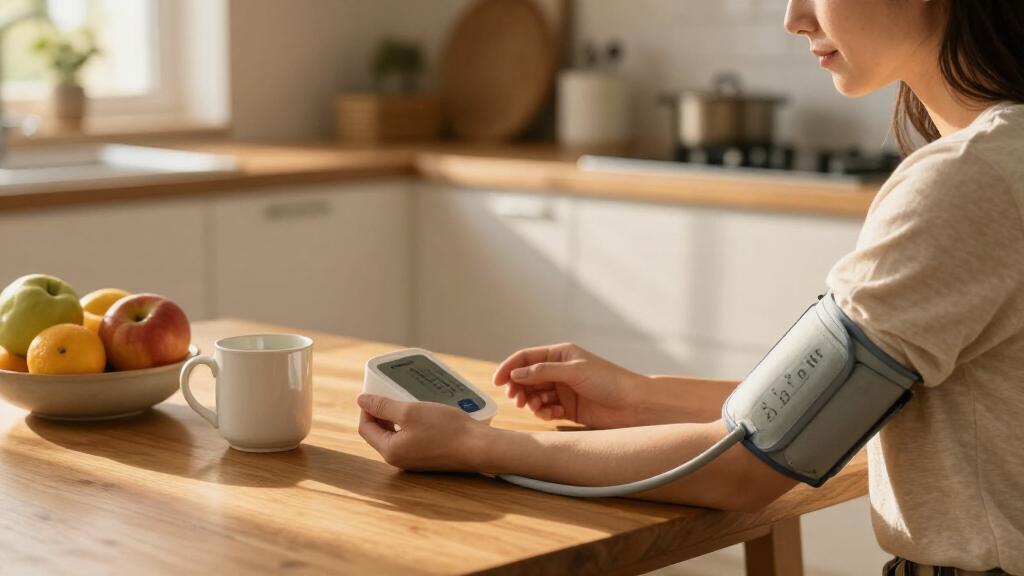

Smart blood pressure monitors turn a once-manual health chore into an app-connected routine, syncing every reading to your phone so trends, not single numbers, guide your decisions. After comparing fourteen leading models, the OMRON Evolv Wireless stands out as the best overall pick for its tubeless all-in-one design and clinical-grade consistency, while the iHealth Neo Wireless earns the value crown with a slim, travel-friendly build and solid app at a lower price point. The RunStar Smart with AFib Detection is the pick for anyone who wants irregular-rhythm screening built in. The main tradeoff in this category is between connectivity depth and simplicity: app-savvy models demand pairing patience, while simpler units like the OMRON Silver skip the smart features for foolproof daily use. Read on for the full breakdown, including cuff fit, data handling, and who each model suits best.

Get health and wellness essentials delivered free with Prime
- Fast, free delivery on millions of items
- Prime Video, Amazon Music and more included
- Member-only deals all year
Key Takeaways
- App quality varied more than hardware quality — the iHealth and OMRON apps offer clean trend charts and multi-user profiles, while several budget models sync readings but do little with them, making software the real differentiator among smart monitors.
- The OMRON Evolv’s tubeless, pre-attached cuff removes the biggest source of inaccurate readings (incorrect tube placement), justifying its premium over conventional two-piece monitors like the OMRON Silver.
- AFib detection remained rare at this price tier — only the RunStar Smart offered irregular-rhythm flagging, making it the default choice for buyers with arrhythmia concerns who don’t want a prescription device.
- Wide-range and XL cuffs (iHealth Track, iProven) mattered more than expected for shared households, since standard cuffs produced error readings on larger arms regardless of how smart the monitor was.
- Offline-first models like the YISUNF and BESTEK proved that ‘smart’ isn’t always worth paying for — if you log readings manually or share one device without app accounts, their larger local memory beats app syncing.
| iHealth Neo Wireless Upper Arm Blood Pressure Monitor |  | Best Overall Smart Pick | Type: Upper arm blood pressure monitor | Connectivity: Bluetooth 4.0 | Battery: 950 mAh rechargeable lithium battery | VIEW LATEST PRICE | See Our Full Breakdown |
| iProven Bluetooth Blood Pressure Monitor with App Integration |  | Best for Shared Health Ecosystems | Measurement type: Upper-arm blood pressure and pulse | Connectivity: Bluetooth | App compatibility: MedM for iOS and Android; Apple Health | VIEW LATEST PRICE | See Our Full Breakdown |
| Etekcity Bluetooth Upper Arm Blood Pressure Monitor |  | Best Value for App-Connected Tracking | Monitor type: Upper arm | Connectivity: Bluetooth | App: VeSync for iOS and Android | VIEW LATEST PRICE | See Our Full Breakdown |
| YISUNF Automatic Blood Pressure Monitor with Dual-User Memory |  | Best No-App Option for Two Users | Measurement: Systolic pressure, diastolic pressure, and pulse rate | Memory: 240 readings total (2 users × 120) | Display: Large backlit screen with WHO three-color indicators | VIEW LATEST PRICE | See Our Full Breakdown |
| CAVN Barrel-Type Upper Arm Blood Pressure Monitor |  | Best for Easy Positioning and Small Arms | Measurement type: Upper arm blood pressure and pulse | Arm circumference range: 7.1–16.5 inches | Memory: 99 readings per user for 2 users | VIEW LATEST PRICE | See Our Full Breakdown |
| iHealth Track Smart Upper Arm Blood Pressure Monitor with Wide-Range Cuff |  | Best for Seniors and Low-Tech Households | Monitor type: Upper arm | Cuff size: Fits upper arms 8.7–16.5 in (22–42 cm) | Memory: Up to 99 readings on the device | VIEW LATEST PRICE | See Our Full Breakdown |
| Trakr Bluetooth Blood Pressure Monitor with App |  | Best for Doctor Communication | Connectivity: Bluetooth | App: MedM (Android and Apple) | Measurements: Systolic and diastolic blood pressure, pulse | VIEW LATEST PRICE | See Our Full Breakdown |
| BESTEK Automatic Upper Arm Blood Pressure Monitor |  | Best Budget-Friendly Pick | Measurement type: Automatic upper arm | Measurement error margin: ±3 mmHg | User profiles: 2 | VIEW LATEST PRICE | See Our Full Breakdown |
| Greater Goods Bluetooth Upper Arm Blood Pressure Monitor |  | Best Complete Package | Measurement types: Systolic pressure, diastolic pressure, and pulse | Irregular heartbeat detection: Yes | Connectivity: Bluetooth; iOS and Android compatible | VIEW LATEST PRICE | See Our Full Breakdown |
| iHealth Track Pro Upper Arm Blood Pressure Monitor |  | Best for Measurement Accuracy Guidance | Display: Wide-angle LED with color-coded indicators | Operation: One-touch, fully automatic | On-device storage: Up to 120 readings | VIEW LATEST PRICE | See Our Full Breakdown |
| OMRON Silver Upper Arm Blood Pressure Monitor |  | Most Trusted Brand Pick | Monitor type: Upper arm blood pressure monitor | Cuff fit: Arms 9–17 inches | Memory: Up to 30 readings on the monitor | VIEW LATEST PRICE | See Our Full Breakdown |
| RunStar Smart Upper Arm Blood Pressure Monitor with AFib Detection |  | Best for Heart Rhythm Screening | Cuff size: 8.6–17.3 inches | Display: 6.5-inch LED | AFib detection: Yes | VIEW LATEST PRICE | See Our Full Breakdown |
| Smart Upper Arm Blood Pressure Monitor with App |  | Best for Family Sharing | Measurement type: Automatic upper arm blood pressure | User profiles: 3 | On-device storage: 199 readings per user | VIEW LATEST PRICE | See Our Full Breakdown |
| OMRON Evolv Wireless Upper Arm Blood Pressure Monitor |  | Best Compact Design | Monitor type: Upper arm, one-piece wireless design | Connectivity: Bluetooth | On-device storage: Up to 100 readings | VIEW LATEST PRICE | See Our Full Breakdown |
| smart blood pressure monitor | Display | Connectivity | Power |
|---|---|---|---|
| iHealth Neo Wireless Upper Arm | — | Bluetooth 4.0 | — |
| iProven Bluetooth Blood Pressu | Large, backlit display | Bluetooth | — |
| Etekcity Bluetooth Upper Arm B | LCD with color-coded indicators | Bluetooth | — |
| YISUNF Automatic Blood Pressur | Large backlit screen with WHO three-color indicators | — | USB Type-C or 3 AAA batteries (not included) |
| CAVN Barrel-Type Upper Arm Blo | Large LCD with 3-color backlight | — | — |
| iHealth Track Smart Upper Arm | — | Bluetooth 4.0 or later | 4 AAA batteries |
| Trakr Bluetooth Blood Pressure | — | Bluetooth | — |
| BESTEK Automatic Upper Arm Blo | LED | — | 4 AAA batteries or 5V/1A adapter (not included) |
| Greater Goods Bluetooth Upper | Large backlit display | Bluetooth; iOS and Android compatible | Four AAA batteries or AC adapter |
| iHealth Track Pro Upper Arm Bl | Wide-angle LED with color-coded indicators | — | 3 AA batteries or USB-C |
| OMRON Silver Upper Arm Blood P | — | Bluetooth | — |
| RunStar Smart Upper Arm Blood | 6.5-inch LED | — | — |
| Smart Upper Arm Blood Pressure | Large LCD with hypertension alerts | — | Type-C plug-in or 4 AA batteries |
| OMRON Evolv Wireless Upper Arm | — | Bluetooth | Four AAA batteries |
More Details on Our Top Picks
iHealth Neo Wireless Upper Arm Blood Pressure Monitor
This model stands out for balancing clinical validation, portability, and app connectivity in one slim package. The ultra-thin design makes it far easier to stash in a bag than the barrel-style CAVN, and the rechargeable battery delivering up to 130 readings per charge removes the recurring battery cost the YISUNF imposes. Compared with the Etekcity, the Neo’s gentle inflation makes daily measurement less unpleasant, which matters more than most people expect for long-term consistency. The tradeoff is dependency: without the MyVitals app, the smart features essentially evaporate, and there’s no on-device storage depth to fall back on like the iProven or Etekcity offer. Still, for a buyer who lives in the app ecosystem and wants a device that travels well, this pick makes the most sense.
Pros:- Clinically validated accuracy
- Gentle inflation improves daily comfort
- Ultra-thin, travel-friendly design
- Rechargeable battery with up to 130 readings per charge
Cons:- Data management depends entirely on the MyVitals app
- Minimal on-device memory compared with dual-user rivals
Best for: App-first users and frequent travelers who want a validated, rechargeable monitor that fits in a carry-on
Not ideal for: Anyone who wants standalone history on the device itself — readings live mainly in the MyVitals app
- Type:Upper arm blood pressure monitor
- Connectivity:Bluetooth 4.0
- Battery:950 mAh rechargeable lithium battery
- Measurements per charge:Up to 130
- Measurement time:30 to 60 seconds
- Operation:One button
- App:MyVitals
Our verdict“The strongest all-around choice for connected health tracking, provided you’re comfortable managing readings through an app.”
iProven Bluetooth Blood Pressure Monitor with App Integration
Where the iHealth Neo funnels everything into its own MyVitals app, the iProven plays nicer with the software you may already use — Apple Health integration and the cross-platform MedM app mean readings flow into a broader health picture without manual exports. The large backlit display shows systolic, diastolic, and pulse clearly, so unlike purely app-dependent options, you get a readable result even without your phone nearby. Its movement detection is a genuine accuracy safeguard the YISUNF lacks, and customizable reminders help people stick to a measurement routine. The compromise is cuff range: at 8¾ to 16½ inches, it covers less ground than the CAVN’s 7.1-inch minimum, so smaller-armed users should look there instead. This model is better suited to buyers whose health data already lives on their phone.
Pros:- Apple Health and MedM app sync across iOS and Android
- Large backlit display readable without the phone
- Movement detection guards against inaccurate readings
- Customizable reminders build consistent habits
Cons:- Smart features require a compatible smartphone
- Cuff range tops out at 16½ inches and starts at a fairly high 8¾ inches
Best for: iPhone users and multi-app health trackers who want readings synced into Apple Health with minimal friction
Not ideal for: Households with slim arms under 8¾ inches — the cuff simply won’t seal properly
- Measurement type:Upper-arm blood pressure and pulse
- Connectivity:Bluetooth
- App compatibility:MedM for iOS and Android; Apple Health
- Cuff fit:Upper arms 8 3/4 to 16 1/2 inches
- Display:Large, backlit display
- Features:One-touch operation, movement detection, customizable reminders
- Eligibility:FSA/HSA eligible
Our verdict“The pick for buyers who want their blood pressure data woven into an existing smartphone health ecosystem rather than siloed in another app.”
Etekcity Bluetooth Upper Arm Blood Pressure Monitor
This option earns its place by solving the storage problem that trips up the iHealth Neo: 90 readings per user live on the device itself, while the VeSync app adds unlimited cloud history plus Apple Health sync. The FDA-cleared status gives it a regulatory footing the YISUNF doesn’t advertise, and the color-coded LCD lets you glance at a reading and instantly see whether it falls in a healthy zone — a small thing that reduces misreadings. Compared with the iProven, the cuff starts slightly smaller at 8.6 inches, broadening who can use it, though it also leans on a smartphone for its smart features. For buyers who want connected tracking without paying premium-brand prices, this model makes the most sense.
Pros:- FDA-cleared accuracy
- Unlimited app storage plus 90 readings per user on device
- Color-coded display simplifies interpretation
- Wide 8.6–16.5 inch cuff range
Cons:- App features require a compatible smartphone
- On-device memory is shallower than the YISUNF’s 240-reading capacity
Best for: Budget-conscious buyers who want FDA-cleared readings, on-device memory, and free unlimited app storage
Not ideal for: Anyone without a compatible smartphone — the connected features are the whole point here
- Monitor type:Upper arm
- Connectivity:Bluetooth
- App:VeSync for iOS and Android
- Apple Health sync:Yes
- On-device storage:Up to 90 readings per user
- App storage:Unlimited
- Cuff fit:8.6–16.5 in (22–42 cm)
- Display:LCD with color-coded indicators
- Certifications:FDA-cleared and FCC-certified
Our verdict“The smartest spend for value hunters who want validated readings with room to grow into long-term app tracking.”
YISUNF Automatic Blood Pressure Monitor with Dual-User Memory
Not everyone wants another app, and that’s exactly where this model carves its niche against Bluetooth rivals like the iHealth Neo and Etekcity. With 240 total readings split across two users — and automatic averaging of the last three — it does the trend-analysis work onboard that others delegate to software. The WHO color indicators on a backlit screen make results legible at a glance, and the dual-power design (USB-C or AAA batteries) means it works during an outage or on a cabin trip. The tradeoffs are real: no FDA clearance is advertised, unlike the Etekcity and CAVN, and AAA batteries aren’t included, so factor in a small extra purchase. For couples sharing one device without smartphone involvement, this pick makes the most sense.
Pros:- Two-user memory with 120 readings each
- Automatic three-reading average smooths out anomalies
- Dual power via USB-C or AAA batteries
- Backlit display with WHO color indicators
Cons:- No Bluetooth or app connectivity at all
- AAA batteries not included
- No advertised FDA clearance
Best for: Couples or roommates sharing one device who want built-in two-user memory with zero app setup
Not ideal for: Data-driven users who want cloud history and doctor-shareable exports — there’s no connectivity here
- Measurement:Systolic pressure, diastolic pressure, and pulse rate
- Memory:240 readings total (2 users × 120)
- Display:Large backlit screen with WHO three-color indicators
- Power:USB Type-C or 3 AAA batteries (not included)
- Cuff range:8.7–17 inches
- Additional feature:Average of the last three readings
Our verdict“The right choice for a two-person household that values onboard memory and simplicity over any smart features.”
CAVN Barrel-Type Upper Arm Blood Pressure Monitor
Wrapping and aligning a standard cuff correctly is the single biggest source of bad readings, and this model attacks that problem directly with a no-wrap barrel cuff and an elbow support switch that helps position the arm properly. Its 7.1-inch minimum arm circumference is the smallest in this batch — the iProven and Etekcity both start around 8.6 inches — making it the go-to for slim-armed users. Add FDA 510(k) clearance and a 2000 mAh rechargeable battery with USB-C, and it undercuts the YISUNF on both regulatory standing and running costs. The caveats: it’s inherently bulkier than the ultra-thin iHealth Neo, and correct posture still matters — the barrel design helps but doesn’t eliminate placement errors. Published accuracy data is also thinner than established brands provide.
Pros:- No-wrap barrel design removes cuff-alignment errors
- Fits arms from 7.1 to 16.5 inches — widest low-end range here
- FDA 510(k) cleared
- 2000 mAh rechargeable battery with USB-C charging
Cons:- Correct posture and arm positioning still required for valid readings
- Larger footprint than slim wrap-cuff monitors
- Limited published accuracy data compared with established brands
Best for: Users with slim arms or anyone who struggles with cuff wrapping and arm alignment
Not ideal for: Travelers and minimalists — the barrel form factor is noticeably bulkier than slim wrap-cuff models
- Measurement type:Upper arm blood pressure and pulse
- Arm circumference range:7.1–16.5 inches
- Memory:99 readings per user for 2 users
- Display:Large LCD with 3-color backlight
- Battery:Built-in rechargeable 2000 mAh battery
- Charging:USB Type-C
- Regulatory status:FDA 510(k) cleared
Our verdict“A smart choice for small arms and positioning struggles, trading portability for a design that’s harder to put on wrong.”
iHealth Track Smart Upper Arm Blood Pressure Monitor with Wide-Range Cuff
Not everyone wants a phone in the loop for every health reading, and that is exactly where this model earns its spot. The large color-coded backlit display does the interpreting for you — green, amber, and red zones make it obvious whether a reading is in a healthy range without opening an app. Compared with the Trakr Bluetooth monitor, which leans heavily on its app for record-keeping, this one keeps up to 99 readings on the device itself, so a spouse or caregiver can scroll back through history directly on screen. The rhythm-disturbance alerts add a layer of reassurance that purely basic units skip. The tradeoff: the two-button simplicity and AAA batteries mean no USB charging, and app sync requires a phone running Bluetooth 4.0 or later. Instructions also deserve a careful first read, since arm position affects accuracy.
Pros:- Color-coded backlit display makes results instantly readable
- Stores up to 99 readings on the device itself
- Alerts users to possible heart rhythm disturbances
- Wide-range cuff fits arms from 8.7 to 16.5 inches
Cons:- No rechargeable option — runs on disposable AAA batteries
- Careful reading of the manual is needed before first use for accurate results
Best for: Seniors or less tech-savvy users who want clear on-device readings without depending on a smartphone
Not ideal for: People who want USB-C recharging and deep app-based trend analysis — the battery-only design and simpler app trail models like the iHealth Track Pro
- Monitor type:Upper arm
- Cuff size:Fits upper arms 8.7–16.5 in (22–42 cm)
- Memory:Up to 99 readings on the device
- Smartphone app:iOS 12.0 or later; Android 9.0 or later
- Connectivity:Bluetooth 4.0 or later
- Power:4 AAA batteries
- Performance standard:ESH 2010
- Warranty:12 months
Our verdict“This pick makes the most sense for buyers who prioritize a big, self-explaining screen over app sophistication.”
Trakr Bluetooth Blood Pressure Monitor with App
If the whole point of monitoring is keeping your physician in the loop, this option stands out for one specific reason: the MedM app can email formatted reports straight to your doctor, which saves the manual logging routine many patients dread. Compared with the Greater Goods Bluetooth monitor, which also syncs to an app but caps on-device memory at 60 readings per user, the Trakr pairs its tracking with a genuinely low-maintenance power situation — USB-C charging and up to 100 measurements per charge mean no AAA battery swap cycles. The tradeoff is that connected tracking is essentially the whole product; there is little reason to pay for its smarts if you never intend to install the app, and buyers who prefer reading everything on the device screen get fewer standalone features than the iHealth Track offers. The 2-year warranty is the longest in this batch.
Pros:- Emails detailed measurement reports directly to a doctor
- USB-C rechargeable with up to 100 uses per charge
- Adjustable cuff covers the full 22–42 cm arm range
- Backed by a 2-year warranty
Cons:- Connected tracking requires a compatible smartphone and app setup
- Less compelling as a standalone device for phone-free users
Best for: Patients whose doctors want regular written blood pressure reports between appointments
Not ideal for: Buyers who want a self-contained device — without the app, most of its value goes unused
- Connectivity:Bluetooth
- App:MedM (Android and Apple)
- Measurements:Systolic and diastolic blood pressure, pulse
- Cuff fit:22–42 cm arm circumference
- Charging:USB Type-C
- Battery life:Up to 100 uses per charge
- Warranty:2 years
Our verdict“Choose this if sharing clean, app-generated reports with your physician is your main goal.”
BESTEK Automatic Upper Arm Blood Pressure Monitor
Sometimes you just need reliable numbers at a low barrier to entry, and this model delivers the essentials without pretending to be smart. The one-touch automatic operation and voice announcements mean you do not even need to read the display to know your result — a genuine convenience for anyone with vision challenges. Against app-connected rivals like the Trakr or Greater Goods monitors, it trades cloud syncing for a straightforward dual-user memory, which suits two-person households who simply track their own histories. The stated ±3 mmHg error margin is within the standard clinical tolerance. The honest tradeoff: no Bluetooth at all, and the power adapter is not included, so you either supply your own 5V/1A plug or lean on AAA batteries, which add long-term cost.
Pros:- One-touch start with automatic inflation and deflation
- Voice announcements plus a high-contrast LED display
- Separate memory histories for two users
- Runs on batteries or an optional adapter
Cons:- No app connectivity or digital sharing of any kind
- Power adapter sold separately
- No rechargeable battery option
Best for: Budget-conscious buyers or couples who want basic two-user tracking with zero app complexity
Not ideal for: Anyone who wants digital trend charts, cloud backup, or report sharing — this model has no connectivity at all
- Measurement type:Automatic upper arm
- Measurement error margin:±3 mmHg
- User profiles:2
- Cuff circumference:22–42 cm (9–17 in)
- Display:LED
- Voice announcements:Yes
- Power:4 AAA batteries or 5V/1A adapter (not included)
Our verdict“This is the pick when you want accurate, spoken readings for two people and nothing you have to sync.”
Greater Goods Bluetooth Upper Arm Blood Pressure Monitor
What separates this model from the rest of the lineup is what comes in the box: travel case, four AAA batteries, and an AC adapter are all included, so there is nothing extra to buy before day one. Compared with the BESTEK, which ships without its adapter, or the iHealth Track, which relies solely on batteries, this dual-power flexibility plus the carrying case makes it the practical choice for anyone monitoring at home and on the road. The Balance Health app tracks averages and trends, and the 60 readings per user of on-device memory means nothing is lost if Bluetooth syncing slips your mind. The tradeoff: its standard 8.7–16.5 inch cuff is the same range most competitors offer, so it is not the answer for unusually large or small arms, and the app still demands a compatible smartphone.
Pros:- Includes travel case, batteries, and AC adapter at purchase
- Syncs readings, averages, and trends in the Balance Health app
- Stores up to 60 readings per user without Bluetooth
- Backlit display with simple one-touch operation
Cons:- Standard cuff leaves out non-average arm sizes
- App features require a compatible smartphone
Best for: Frequent travelers and first-time buyers who want every accessory included out of the box
Not ideal for: Users with arm sizes outside the standard 8.7–16.5 inch cuff range, who need a specialized cuff
- Measurement types:Systolic pressure, diastolic pressure, and pulse
- Irregular heartbeat detection:Yes
- Connectivity:Bluetooth; iOS and Android compatible
- App:Balance Health
- Built-in memory:Up to 60 readings per user; 120 total
- Cuff size:8.7–16.5 in (22–42 cm)
- Display:Large backlit display
- Power:Four AAA batteries or AC adapter
- Included accessories:Cuff, travel case, four AAA batteries, AC adapter
Our verdict“Buy this if you want a genuinely complete kit with nothing left to purchase — skip it if your arms fall outside standard cuff sizing.”
iHealth Track Pro Upper Arm Blood Pressure Monitor
The standout idea here is that this monitor watches how you measure, not just what you measure. Sensors for movement, cuff placement, and irregular heartbeats flag the common user errors that quietly wreck reading accuracy — something no other model in this batch, including the RunStar and iHealth Neo, combines so completely. Its 120-reading on-device storage doubles what the standard iHealth Track holds, and the wide-angle color-coded LED keeps interpretation effortless. Power flexibility is better too: three AA batteries or USB-C, with the cable and batteries included. The tradeoff is that those accuracy sensors only help if you actually follow the instruction manual’s setup guidance, and careless placement still produces skewed numbers. Compared with the Greater Goods, you give up the travel case but gain smarter error detection.
Pros:- Detects movement, improper cuff placement, and irregular heartbeats
- Color-coded wide-angle display for instant interpretation
- Stores up to 120 readings on the device plus app sync
- Dual power options with USB-C cable and AA batteries included
Cons:- Accuracy depends on careful setup and following the manual
- No travel case included, unlike the Greater Goods package
Best for: Detail-oriented users who want their monitor to catch measurement mistakes before they skew the data
Not ideal for: Impatient users unwilling to follow setup instructions carefully — the accuracy features depend on proper use
- Display:Wide-angle LED with color-coded indicators
- Operation:One-touch, fully automatic
- On-device storage:Up to 120 readings
- App:iHealth MyVitals
- Power:3 AA batteries or USB-C
- Cuff fit:Upper-arm circumference 8.7–16.5 in (22–42 cm)
- Included accessories:3 AA batteries, wide-range cuff, USB-C cable, manual
- Warranty:12 months
Our verdict“This is the model for buyers who suspect their readings are only as good as their technique — it actively polices both.”
OMRON Silver Upper Arm Blood Pressure Monitor
OMRON’s clinical pedigree is the reason this model earns a spot despite modest specs. Advanced Accuracy Technology plus irregular heartbeat detection and a hypertension indicator put diagnostic reliability first, which matters more than gadget features for anyone tracking a serious condition. The OMRON Connect app syncs via Bluetooth and plays nicely with Apple Health and Google Fit, matching the RunStar’s ecosystem but backing it with a brand many physicians recognize. Compared with the RunStar AFib model, the Silver trades the giant 6.5-inch display and rechargeable battery for a smaller footprint and proven measurement consistency. The tradeoff is storage: only 30 on-device readings, the smallest capacity in this batch, so app syncing becomes a habit rather than an option.
Pros:- Irregular heartbeat detection and hypertension indicator built in
- OMRON Connect app supports trend tracking and report sharing, plus Apple Health and Google Fit
- ComFit cuff fits a wide 9–17 inch arm range
- Complete package includes cuff, case, guides, and batteries
Cons:- On-device memory limited to 30 readings
- App-based tracking requires a compatible smartphone
Best for: Buyers who want a physician-recognized brand with dependable accuracy for ongoing hypertension management
Not ideal for: Multi-user households or anyone who wants deep on-device history — 30 readings fills quickly with daily use
- Monitor type:Upper arm blood pressure monitor
- Cuff fit:Arms 9–17 inches
- Memory:Up to 30 readings on the monitor
- Connectivity:Bluetooth
- App compatibility:OMRON Connect; Apple Health and Google Fit
- Features:Advanced Accuracy Technology, irregular heartbeat detection, hypertension indicator
- Included:Monitor, ComFit cuff, storage case, guides, four AA batteries
Our verdict“Pick the Silver if brand trust and clinical accuracy outrank fancy displays and storage depth on your priority list.”
RunStar Smart Upper Arm Blood Pressure Monitor with AFib Detection
This is the pick for anyone whose doctor has flagged atrial fibrillation risk — a screening feature the OMRON Silver doesn’t offer at this level of prominence. The 6.5-inch LED display is the largest in this batch, and the optional voice broadcast makes readings legible for users with poor eyesight, something the compact OMRON Evolv simply cannot match. Its PD fast charging delivers up to six months of use, eliminating the battery-replacement chore that AAA-powered models like the Evolv impose. Where it falls short is household sharing: just two on-device profiles, while the Smart Upper Arm Monitor with App handles three plus far deeper storage at 199 readings per person. The app’s unlimited profiles soften that blow, but only if everyone uses a phone.
Pros:- Screens for irregular heart rhythms including AFib
- Huge 6.5-inch LED display with optional voice broadcast
- Rechargeable battery lasts up to 6 months on twice-daily use
- Cuff placement alerts improve measurement consistency
Cons:- On-device storage limited to two users
- Six-month battery estimate assumes only twice-daily readings
Best for: Older adults or AFib-risk patients who want rhythm screening, a big display, and voice readouts
Not ideal for: Three-plus-person households who all want on-device profiles without relying on the app
- Cuff size:8.6–17.3 inches
- Display:6.5-inch LED
- AFib detection:Yes
- App compatibility:iOS and Android
- On-device users:2
- On-device storage:99 readings per user
- Charging:PD fast charging, full charge in 3 hours
- Battery life:Up to 6 months based on twice-daily use
Our verdict“Choose the RunStar if rhythm screening and a highly readable display matter more than multi-user capacity.”
Smart Upper Arm Blood Pressure Monitor with App
Three on-device profiles and 199 readings per user make this the strongest choice for a household tracking together — more than triple the history the OMRON Evolv holds, and one more local profile than the RunStar allows. Posture and movement alerts (remeasure, arm tremor, E-1) actively coach users toward valid readings, which reduces the junk data that plagues budget monitors. The tradeoff is power: it’s not rechargeable, running on AA batteries or Type-C plug-in power only, so unlike the RunStar you’ll never get that set-it-and-forget-it six-month charge cycle. Its one-touch cuff chamber design is easier to position than a traditional wrap cuff, though the 8.7–15.7 inch arm range is slightly narrower than the OMRON Silver’s 9–17 inch fit.
Pros:- Three user profiles with 199 readings stored per person
- Posture, arm tremor, and remeasure alerts improve reading reliability
- One-touch cuff chamber simplifies positioning versus a wrap cuff
- Dual power options: Type-C plug-in or four AA batteries
Cons:- Not rechargeable — the Type-C cable only provides plug-in power
- Cuff range of 8.7–15.7 inches is narrower than some rivals
- Posture alerts can force repeated tests before a valid reading registers
Best for: Families of up to three who want separate profiles, deep on-device history, and guided measurements
Not ideal for: Buyers who want a rechargeable device — this one depends on AAs or a tethered cable
- Measurement type:Automatic upper arm blood pressure
- User profiles:3
- On-device storage:199 readings per user
- App compatibility:iOS and Android
- Arm circumference:8.7–15.7 inches
- Power:Type-C plug-in or 4 AA batteries
- Rechargeable:No
- Display:Large LCD with hypertension alerts
Our verdict“This model makes the most sense for multi-user homes that prioritize stored history and measurement coaching over charging convenience.”
OMRON Evolv Wireless Upper Arm Blood Pressure Monitor
The Evolv’s one-piece tubeless design is its whole argument: the cuff and monitor are a single unit, so there’s no hose to tangle and nothing bulky to store — ideal for travelers or anyone who measures outside the home. Compared with the OMRON Silver, it triples the on-device memory to 100 readings while keeping the same 9–17 inch cuff range and Bluetooth syncing to OMRON Connect. It also detects irregular heartbeats during measurements. What you give up versus the RunStar is substance on screen: there’s no oversized LED, no voice broadcast, and no AFib screening, and you’re locked into four AAA batteries rather than a rechargeable cell. For frequent flyers and minimalists, that trade is easy; for desk-bound daily tracking at home, it’s harder to justify.
Pros:- Compact one-piece design with no separate tube or unit
- Stores up to 100 readings on the monitor
- Irregular heartbeat detection during measurements
- Syncs to OMRON Connect, Apple Health, and Google Fit
Cons:- Requires four AAA batteries with no rechargeable option
- Smaller display than display-focused rivals like the RunStar
- Cuff range of 9–17 inches excludes very small arms
Best for: Travelers and minimalists who want a tube-free, all-in-one monitor that slips into a bag
Not ideal for: Users who want a large display, voice readouts, or AFib screening — none of those are here
- Monitor type:Upper arm, one-piece wireless design
- Connectivity:Bluetooth
- On-device storage:Up to 100 readings
- Cuff fit:Arms 9–17 inches
- Power:Four AAA batteries
- Compatible apps:OMRON Connect, Apple Health, Google Fit
- Included:Monitor with attached cuff, guides, four AAA batteries
Our verdict“The Evolv is the pick for people who measure on the go and want OMRON reliability in the most portable format available.”
How We Picked
Because a smart monitor lives or dies by its data workflow, the first filter was connectivity: each model had to reliably sync readings to a phone app via Bluetooth, and the apps themselves were compared on trend visualization, multi-user support, export options for doctors, and whether readings could be shared without a subscription. The second filter was measurement credibility — cuff design, validation approach, irregular-heartbeat detection, and how forgiving each unit was of imperfect arm positioning.
From there, ranking came down to the tradeoffs buyers actually face: cuff range for household sharing, display readability for older users, power source practicality, and whether the smart features genuinely reduced friction or added pairing headaches. Models that made syncing effortless ranked above those with equal hardware but clunkier software. Offline-oriented picks like the YISUNF and BESTEK were included deliberately — they represent the counterargument worth hearing before you pay extra for connectivity you may not use.
| smart blood pressure monitor | Connectivity |
|---|---|
| iHealth Neo Wireless Upper Arm | Bluetooth 4.0 |
| iProven Bluetooth Blood Pressu | Bluetooth |
| Etekcity Bluetooth Upper Arm B | Bluetooth |
| YISUNF Automatic Blood Pressur | — |
| CAVN Barrel-Type Upper Arm Blo | — |
| iHealth Track Smart Upper Arm | Bluetooth 4.0 or later |
| Trakr Bluetooth Blood Pressure | Bluetooth |
| BESTEK Automatic Upper Arm Blo | — |
| Greater Goods Bluetooth Upper | Bluetooth; iOS and Android compatible |
| iHealth Track Pro Upper Arm Bl | — |
| OMRON Silver Upper Arm Blood P | Bluetooth |
| RunStar Smart Upper Arm Blood | — |
| Smart Upper Arm Blood Pressure | — |
| OMRON Evolv Wireless Upper Arm | Bluetooth |
Factors to Consider When Choosing Smart Blood Pressure Monitors
Before settling on a specific model, it helps to understand what actually separates a useful smart monitor from an expensive gadget. These are the factors that shaped this ranking — and the mistakes most buyers make.App Ecosystem Depth, Not Just Bluetooth
The word ‘smart’ on the box only tells you a monitor can pair with a phone — it says nothing about what happens next. Some apps do little more than list readings in chronological order, while others chart trends over weeks, flag morning spikes, support separate profiles for two users, and export clean PDFs your physician can actually use. Before buying, check whether the app requires account creation, whether it works with your phone’s operating system version, and whether your data can be exported or only viewed inside a walled garden. If you plan to email readings to a cardiologist monthly, export capability matters more than any hardware spec. Buyers who skip this step often end up with a well-built monitor and an app they abandon after two weeks, manually writing numbers in a notebook anyway — which defeats the entire point of paying for connectivity.
Cuff Size and Fit: The Accuracy Multiplier
Cuff fit is the single most common source of inaccurate home readings, and it has nothing to do with how smart the monitor is. A cuff that’s too small overestimates pressure; too large, and it underestimates — errors of 5 to 15 mmHg are routine with poor fit. Measure your upper arm circumference before shopping and match it against the stated range, which typically runs roughly 8.7 to 16.5 inches for standard cuffs, with wide-range options extending further. Households sharing one device should prioritize wide-range cuffs like those on the iHealth Track or iProven, since a cuff sized for one adult may simply error out on another. Also decide between two-piece designs (cuff plus tube plus console) and all-in-one units like the OMRON Evolv, where the pre-attached cuff removes a whole category of positioning mistakes at a higher price.
Connectivity Extras: Where Paying More Helps and Where It Doesn’t
Beyond basic Bluetooth, some monitors support Wi-Fi for cloud syncing — useful if you want readings backed up even when your phone isn’t nearby, but unnecessary for most single-user households. Irregular-heartbeat and AFib detection is the premium feature most worth paying for if you have arrhythmia risk factors, though it screens rather than diagnoses, and any flagged episode should go to a doctor. Multi-user memory sounds mundane but determines whether a shared device stays useful: look for at least 100 readings per user across two profiles. What’s rarely worth extra money is a color touchscreen or oversized display on a device whose readings are going to your phone anyway. The pattern across this lineup was clear: the best mid-range models matched premium hardware accuracy, and the real premium went toward design and data features, not measurement quality.
Power Source and Daily-Routine Practicality
A monitor that’s out of batteries is a monitor you stop using, and consistency matters more in blood pressure tracking than any single reading. Most models run on AA or AAA batteries with optional AC adapters; a few, like slimmer travel units, recharge over USB, which is convenient on the road but means a dead battery if you forget the cable. Think about where the device will live: a bedside unit used morning and night benefits from wall power, while a carry-along monitor favors built-in rechargeables. Battery life claims of 100+ readings per set are common, but backlit displays and constant Bluetooth pairing drain power faster than the specs suggest. Also check whether the app drains your phone battery by holding a persistent connection — a small annoyance that compounds over months of daily use.
Validation, Accuracy Claims, and Realistic Expectations
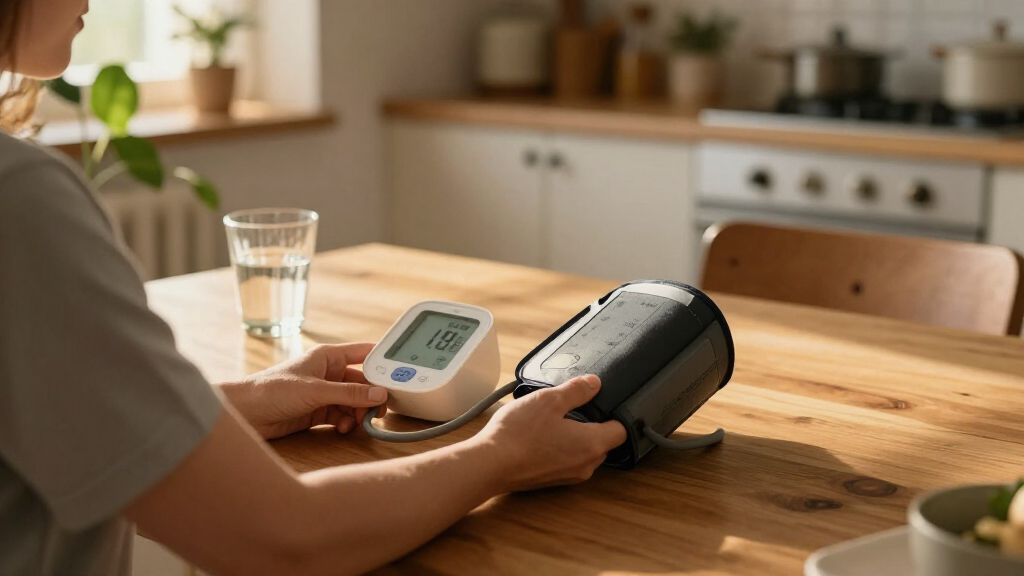
Home monitors are screening tools, not diagnostic instruments, and even a perfectly fitted unit can read a few points off a clinical auscultated measurement. Brands with established validation histories — OMRON is the clearest example in this lineup — earn trust through consistent engineering rather than marketing. Beware of wrist-only gimmick devices promising hospital accuracy; upper-arm measurement remains the standard position for reliable home readings. Take any new monitor to a doctor’s appointment and compare a few readings against professional equipment to learn your device’s personal bias. And remember that cuff placement, resting five minutes beforehand, and keeping your arm at heart level influence results more than the price of the device ever will.
Who Actually Needs ‘Smart’ — and Who Should Skip It
Be honest about your routine before paying a connectivity premium. Smart monitors shine for people tracking trends over months, sharing data with a care team, or managing hypertension alongside medication changes — the automatic logging removes the friction that kills consistency. But if you’re monitoring occasionally, have one user, or find app setup frustrating, a straightforward automatic monitor with large local memory (the YISUNF and BESTEK approach) delivers the same measurement accuracy for less. Older users receiving a monitor as a gift sometimes struggle with pairing flows, which is why models with big displays and simple buttons remain on this list despite minimal app integration. The mistake to avoid is buying features for the buyer you wish you were rather than the one you are. Connectivity only pays off if the data actually reaches someone who acts on it — whether that’s you, a family caregiver, or your physician.
Frequently Asked Questions
Can a smart blood pressure monitor actually detect AFib, and should I trust it?
A few consumer monitors in this roundup, most prominently the RunStar Smart, include irregular-rhythm screening that can flag possible atrial fibrillation during a reading. These features use pulse-wave analysis to detect rhythm irregularities, and they can be genuinely useful for catching episodic AFib that a doctor’s office visit misses. However, they are screening tools, not diagnostic ones — a flagged reading means you should contact a physician for a proper ECG, not that you have a confirmed condition. Likewise, a clean reading doesn’t rule out AFib that occurs at other times of day. If arrhythmia runs in your family or you’ve had palpitations, this feature is worth prioritizing; if not, you shouldn’t pay a premium for it. Always tell your doctor which device flagged the reading so they can interpret it in context.
Is the OMRON Evolv worth the premium over standard two-piece monitors?
The Evolv’s value comes from its all-in-one design: the cuff, pump, and display are a single unit with no tube to kink and no console to position, which removes the most common causes of errored readings. For people who measure daily and travel occasionally, that convenience compounds — there’s nothing to assemble and one less thing to misalign. Compared with the OMRON Silver in this lineup, you’re paying for design and wireless freedom rather than better measurement chemistry, since both come from the same validation heritage. If two people share the device or budget is tight, the Silver or a mid-range smart model like the iHealth Track covers the fundamentals for less. The Evolv makes the most sense for solo users who value simplicity and are willing to pay for it.
Do I need Wi-Fi, or is Bluetooth syncing enough?
Bluetooth-only syncing requires your phone to be present and the app open (or running in the background) when you take a reading, which covers the vast majority of home-use scenarios just fine. Wi-Fi models upload readings to the cloud independently, which matters if a caregiver wants remote access to your data or if you’d otherwise forget to open the app. For a single user who checks the app themselves, Bluetooth is simpler to set up and avoids sharing health data through another server. The tradeoff to weigh is privacy versus convenience: Wi-Fi cloud storage means your readings live on someone else’s infrastructure, so check the company’s data policy. In this roundup, most models are Bluetooth-only, and that suited their typical buyers well — Wi-Fi becomes worth seeking out mainly for remote-family monitoring situations.
Why does my monitor sometimes show an error or wildly different readings?
Inaccurate readings almost always trace back to technique rather than a faulty device. The usual culprits are a cuff that’s too small for the arm, talking or moving during measurement, taking a reading right after caffeine or activity, and positioning the arm below heart level. Rest quietly for five minutes beforehand, keep your feet flat and back supported, and place the cuff on bare skin at heart height. If your arm circumference exceeds the cuff’s stated range, the monitor may error out or silently misread — this is where wide-range cuffs like those on the iHealth Track earn their keep. Take two or three readings a minute apart and average them for a truer picture. If readings stay erratic despite good technique, have the device compared against office equipment before trusting its numbers.
Are budget smart monitors accurate enough, or do I need a name brand?
Measurement technology in upper-arm oscillometric monitors is mature, and several lower-priced models in this roundup deliver readings consistent with established brands when the cuff fits correctly. What budget units typically compromise on is software — the app may sync readings but offer weak trend analysis, limited export, or clunky multi-user handling — and long-term durability, with cuffs and pumps that may not survive years of daily use. Brands like OMRON and iHealth bring validation histories and sustained app support, which matters if you’ll rely on the data for medical decisions. A reasonable middle path from this comparison: models like the iHealth Neo or Etekcity pair respectable hardware with genuinely usable apps at accessible prices. Reserve your biggest skepticism for devices with no stated cuff range, no validation claims, and apps that haven’t been updated in years.
Conclusion
The right pick depends less on specs and more on how you’ll actually live with the device. For the best overall choice, the OMRON Evolv Wireless pairs trustworthy measurement with a tubeless design that makes daily use effortless — the strongest fit for a solo user who values reliability. The best value goes to the iHealth Neo Wireless, which delivers a slim form factor and a genuinely good app at a lower price, with the Etekcity and iProven close behind for households needing wide cuffs. For beginners or anyone intimidated by app pairing, the OMRON Silver or the YISUNF with dual-user memory keeps things simple without sacrificing accuracy. On the premium end, the iHealth Track Pro brings a larger feature set and display for users who want the fullest iHealth experience, while the specific-need picks are clear: the RunStar Smart for AFib screening, the iHealth Track for wide-range cuff households, and the CAVN or Trakr for buyers prioritizing display readability alongside basic app syncing. Whatever you choose, measure at the same times daily, confirm cuff fit, and share your trend data with your doctor — the monitor only earns its keep when the data gets used.
Cold & flu season Picks
humidifiers
As an affiliate, we earn on qualifying purchases.