As you age, sticking with familiar hobbies helps you stay connected socially, boosting your emotional well-being and reducing feelings of loneliness. They build confidence and a positive self-image because you’re mastering activities you already enjoy. These hobbies create routines that promote both mental and physical health, making them easier to fit into daily life. Keeping up with them supports a balanced, fulfilling lifestyle. If you want to discover more about why this matters, continue exploring how these activities can truly enhance your quality of life.
Key Takeaways
- Familiar hobbies foster social connections, reducing loneliness and enhancing emotional well-being in older adults.
- They boost confidence and self-image by allowing mastery without frustration or the need to learn new skills.
- Engaging regularly in known activities supports long-term mental and physical health benefits.
- Their ease of access and routine integration make consistent participation more achievable.
- Maintaining familiar hobbies improves overall quality of life by providing mental, social, and emotional fulfillment.
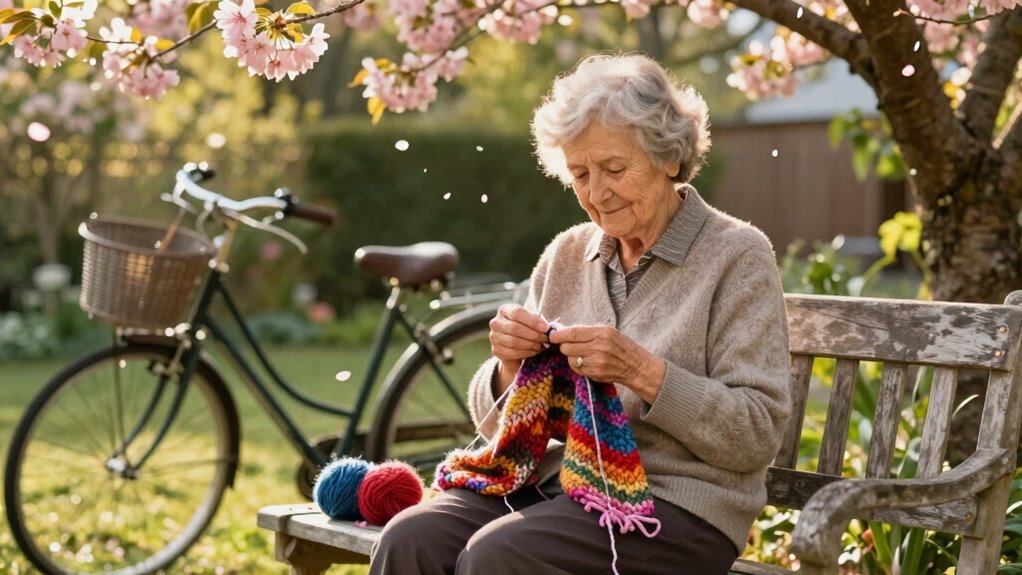
Familiar hobbies also foster social engagement, which is indispensable for your overall mental health. Participating in activities with friends or community groups keeps you connected and combat feelings of loneliness or isolation. When you already know the activity well, you can focus more on enjoying the social aspect rather than learning new skills or exploring unfamiliar environments. This ease of engagement encourages regular social interactions, promoting emotional well-being and even helping to stave off depression. Social engagement through shared hobbies provides a support network, giving you opportunities to form meaningful connections, exchange ideas, and celebrate common interests. Developing herbal remedies can also make outings with friends more enjoyable and less stressful, expanding your social opportunities. Moreover, sticking to hobbies you know well can boost your confidence and motivation. You don’t need to worry about mastering something new, which can sometimes be frustrating or discouraging as you age. Instead, you can focus on deepening your enjoyment or skill within a familiar activity. This sense of mastery contributes to a positive self-image and promotes a growth mindset, reinforcing your sense of purpose and independence. These positive feelings are indispensable for mental resilience, helping you face the challenges that come with aging. Additionally, consistent engagement enhances the long-term mental and physical health benefits of hobbies, making it easier to stay committed. Engaging regularly in familiar activities can also help maintain cognitive sharpness over time. In addition, familiar hobbies often require less planning and preparation, making it easier to incorporate them into your daily routine. Whether it’s gardening, knitting, playing an instrument, or participating in a book club, these activities become a seamless part of your lifestyle. This ease of access encourages consistency, which is key to reaping the mental and physical health benefits over time. By maintaining familiar hobbies, you create a supportive environment for your aging process, where mental sharpness, social bonds, and a sense of achievement all work together to enhance your quality of life.

Heavy Duty Gardening Tools – Gardening Gifts for Women, Men, Mom, Dad – Durable, Ergonomic Garden Tools Set (Green)
- Ideal Gift for Gardeners: Perfect for men and women who garden
- Complete Gardening Set: All-in-one durable garden tools
- Premium Quality Tools: Includes spray bottle, shovel, pruner, and more
As an affiliate, we earn on qualifying purchases.
As an affiliate, we earn on qualifying purchases.
Frequently Asked Questions
How Do Hobbies Influence Mental Health in Older Adults?
Hobbies considerably boost your mental health as you age by enhancing memory retention and emotional well-being. When you engage in familiar activities, your brain stays active, helping preserve cognitive functions. These hobbies also provide a sense of purpose and joy, reducing feelings of loneliness or depression. By staying connected to enjoyable routines, you support your overall mental health, making your later years more fulfilling and balanced.
Can Trying New Hobbies Benefit Seniors’ Cognitive Functions?
Trying new hobbies can boost your cognitive functions like nothing else, almost like giving your brain a supercharge. You’ll notice improved memory enhancement and increased creative expression, which keeps your mind sharp and engaged. Engaging in unfamiliar activities challenges your brain, encouraging neural growth and adaptability. So, stepping out of your comfort zone can invigorate your mental agility, helping you stay sharp and vibrant as you age.
What Are the Social Benefits of Familiar Hobbies for Seniors?
Familiar hobbies boost your social life by encouraging community engagement and fostering connections with others who share your interests. As you participate regularly, you build a supportive network, reducing feelings of loneliness. These activities also enhance your emotional well-being by providing comfort and a sense of belonging, helping you stay mentally positive and socially active. Engaging in familiar hobbies keeps you connected and emotionally resilient as you age.
How Do Hobbies Help Manage Age-Related Physical Decline?
Like a steady lighthouse guiding a ship, your hobbies illuminate your path through aging. They help manage physical decline by promoting muscle preservation and joint flexibility, crucial for maintaining independence. Engaging in familiar hobbies keeps your body active, strengthening muscles and maintaining joint health. As you continue these activities, you’re preserving your physical resilience, ensuring that the light of vitality remains bright even as age advances.
Are Certain Hobbies More Beneficial Than Others for Aging Populations?
Certain hobbies, like intergenerational activities and creative arts, are especially beneficial for aging populations. These activities promote social connection, mental stimulation, and emotional well-being. Intergenerational activities help bridge gaps between different age groups, fostering understanding and reducing loneliness. Creative arts stimulate cognitive functions and provide a sense of accomplishment. Engaging in these hobbies keeps you active, connected, and mentally sharp, making them more advantageous as you age.

Complete Knitting Kit for Beginners – Learn to Knit Kit with Knitting Accessories Like Thick Beginner Yarn in Gray, Bamboo Needles for Beginners & More – Includes Video Tutorials & Written Guide
- Educational and Relaxing: Teaches knitting skills and promotes relaxation
- Complete Starter Kit: Includes yarn, needles, markers, and accessories
- Beginner-Friendly Design: Thick yarn, bamboo needles, tutorials included
As an affiliate, we earn on qualifying purchases.
As an affiliate, we earn on qualifying purchases.
Conclusion
As you grow older, sticking with familiar hobbies can bring comfort, boost your confidence, and keep your mind sharp. These activities become a comforting part of your routine, offering a sense of stability and joy. Isn’t it wonderful to think that doing what you love can enrich your aging years? So, why not embrace those hobbies that feel like old friends, and make your later years truly fulfilling?

10Pcs Black Tamborines Musical Instrument Adults, Kids Music Percussion Set
- Complete Percussion Set: Includes tambourine, bells, shakers, sticks, and hammers
- Suitable for All Ages: Perfect for adults, kids, and students
- Versatile for Activities: Ideal for therapy, education, parties, and performances
As an affiliate, we earn on qualifying purchases.
As an affiliate, we earn on qualifying purchases.

Qyeahkj 24 Set Book Club Dice Game Cards for Adults Reading Group Discussion Question Cards with Reward Stickers Book Review Dice Game for Night Books Party Favors Readers BookLovers Community Gift
- Complete Set Included: 24 game cards, 4 dice, stickers
- Engages Book Club Members: Promotes discussion and interaction
- Easy to Play: Simple dice and card gameplay
As an affiliate, we earn on qualifying purchases.
As an affiliate, we earn on qualifying purchases.