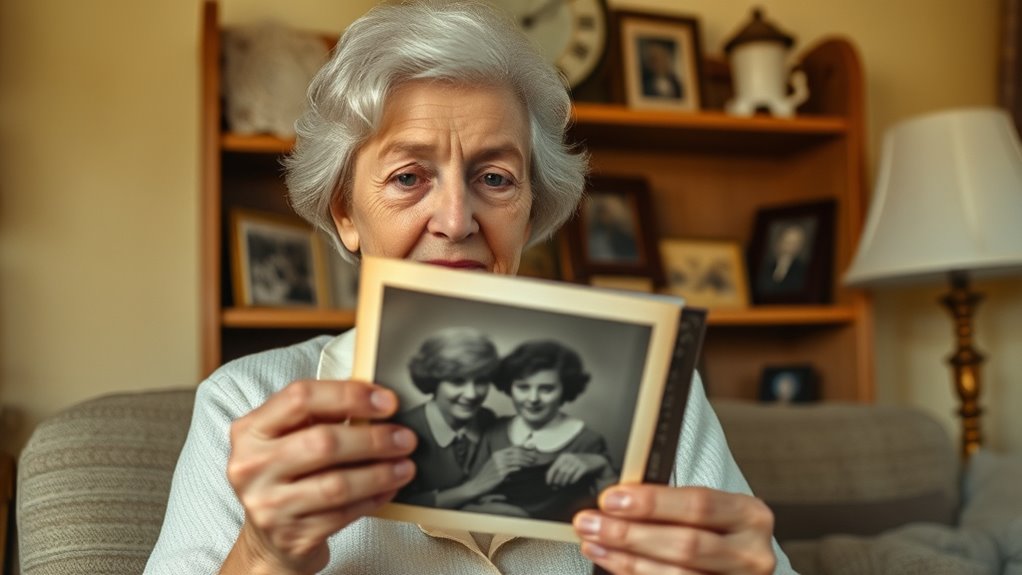
Engaging in social reminiscence and sharing memory stories helps you reconnect with your personal history while strengthening bonds with others. By reflecting on past experiences, focusing on sensory details and emotions, you create meaningful conversations that promote understanding and empathy. Life review allows you to gain insights, find closure, and reinforce your sense of identity. Keep exploring these techniques to discover how they can enrich your emotional well-being and deepen your connections with those around you.
Key Takeaways
- Social reminiscence fosters emotional connections and understanding through sharing personal memory stories.
- Life review helps individuals reflect on past experiences, shaping identity and promoting emotional well-being.
- Storytelling techniques emphasizing sensory details and emotions create vivid, authentic memories that resonate deeply.
- Sharing memories enhances self-awareness, social bonds, and empathy, enriching relationships and mutual understanding.
- Ethical storytelling and reflective practices provide closure, gratitude, and meaningful insights during life transitions.

Memory stories and life review are powerful tools that help you reconnect with your past and understand your personal journey. When you explore these stories, you create an emotional connection to your history, allowing you to see how your experiences shape who you are today. Engaging in social reminiscence encourages meaningful conversations with others, fostering a sense of belonging and shared understanding. As you recall and share memories, you become more aware of your life’s narrative, which can be both validating and enlightening.
Sharing memory stories deepens self-awareness and fosters meaningful connections through emotional and reflective conversations.
Using storytelling techniques makes these memories more vivid and impactful. For example, focusing on sensory details, emotions, and personal reflections can bring your stories to life, making them more engaging for both yourself and your listeners. When you tell a story, it’s not just about recounting facts; it’s about conveying feelings and insights that deepen your emotional connection to the past. This approach helps you process complex emotions and find new perspectives, which can be especially beneficial during life transitions or periods of reflection.
In social settings, sharing memory stories can spark connections with others who have similar experiences or viewpoints. Listening to others’ life stories also broadens your understanding of different backgrounds and perspectives, enriching your own sense of identity. These exchanges foster empathy and mutual respect, making social reminiscence a deeply enriching activity. Furthermore, storytelling techniques—like using vivid imagery, expressive tone, and emotional honesty—enhance the authenticity of your narratives, making your memories resonate more strongly with your audience.
Through regular practice, you develop a storytelling rhythm that makes your personal history more accessible and meaningful. As you become more confident in sharing your memories, you notice how these stories reinforce your sense of self and purpose. Life review, in particular, offers an opportunity to reflect on past successes, challenges, and lessons learned, helping you find closure and gratitude. This process can boost your emotional well-being, providing clarity and a sense of continuity amid life’s changes.
Additionally, understanding the importance of affiliate disclosures can help you navigate sharing personal stories within a transparent and ethical framework. Ultimately, engaging in social reminiscence and telling memory stories deepens your emotional connection to your life story. It transforms simple recollections into a vibrant tapestry of experiences that affirm your identity and foster connection with others. By applying effective storytelling techniques, you guarantee your memories are not just remembered, but felt—resonating deeply within you and inspiring meaningful relationships.
Frequently Asked Questions
How Does Social Reminiscence Impact Mental Health?
Social reminiscence boosts your mental health by strengthening emotional resilience and social connectedness. When you share memories, you feel more supported and less isolated, which helps you cope better with stress and emotional challenges. This process encourages positive emotions and self-awareness, enhancing your overall well-being. By engaging in social reminiscence, you build meaningful relationships that foster a sense of belonging and emotional strength, improving your mental health substantially.
What Types of Memory Stories Are Most Effective?
You find that personal anecdotes and emotional reflections are most effective because they create a deep connection and evoke meaningful memories. Sharing stories that highlight significant life moments or lessons helps others relate and feel understood. When you focus on authentic experiences, your stories resonate more, fostering emotional engagement. These types of memory stories not only strengthen bonds but also promote self-awareness and emotional well-being.
How Can Life Review Benefit Different Age Groups?
Did you know that life review can boost well-being in every age group? You can foster intergenerational dialogue by sharing stories, which helps build understanding and connection. Digital storytelling makes this process easier and more engaging, especially for younger people. Whether you’re young or old, reflecting on your past enriches your present, creating meaningful bonds across generations and supporting emotional health at any age.
Are There Cultural Differences in Reminiscence Practices?
Yes, cultural perspectives profoundly influence reminiscence practices. In some cultures, you might find rich reminiscence rituals that emphasize storytelling, family bonds, and honoring elders. These traditions shape how you share memories and reflect on life. You’ll notice differences in what stories are told, how frequently, and in what settings, reflecting each culture’s values and social norms. Embracing these variations enriches your understanding of the diverse ways people connect through their memories.
What Are Common Challenges in Documenting Memory Stories?
Did you know that up to 30% of memory stories can be inaccurate? When documenting memory stories, you face common challenges like maintaining memory accuracy and ensuring story preservation. You might struggle with conflicting accounts or fading details over time. To overcome these, you need careful interviewing techniques, detailed recordings, and respectful engagement, so the stories remain authentic and meaningful for future generations.
Conclusion
As you reflect on your memories, you gently embrace the gentle whispers of the past, allowing them to softly guide your journey forward. Every story you share adds a warm thread to your life’s tapestry, weaving moments into meaningful patterns. Remember, even as some chapters fade, they leave behind a subtle glow, illuminating your path with quiet grace. Embrace this gentle dance of remembrance, knowing each moment enriches your ongoing story with tender grace.