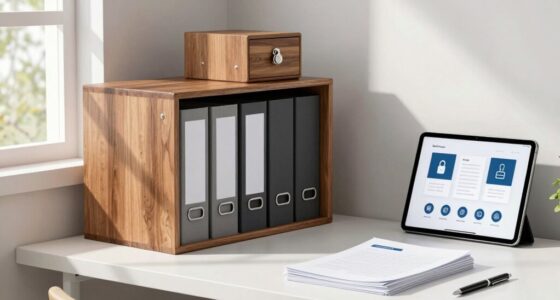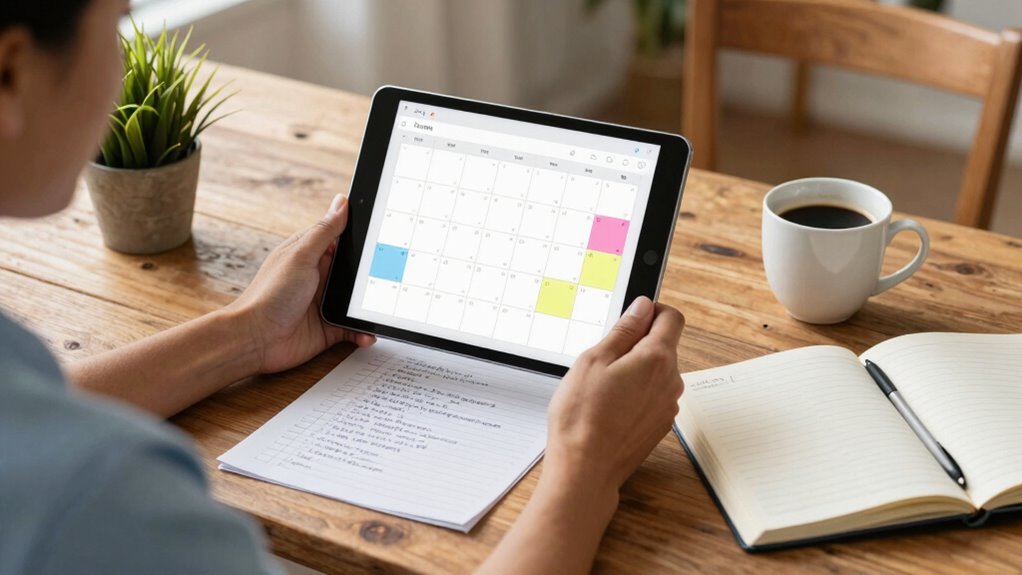

To build a better record-keeping habit, start by creating a dedicated system, like a digital app or a physical folder, to keep all health and medication info organized. Make certain to update your records immediately after administering medication or noting any changes. Keep important documents accessible and review your system regularly to guarantee it’s current. Staying consistent and organized will boost your confidence and help you respond effectively in emergencies. Learn more to enhance your caregiving skills even further.

Get health and wellness essentials delivered free — and shop member deals
- Fast, free delivery on millions of items
- Access to Prime Big Deal Days deals on October 6–7
- Prime Video, Amazon Music and more included
Key Takeaways
- Establish a consistent routine for updating and reviewing records daily or weekly.
- Use digital tools or dedicated logs to streamline and organize documentation.
- Keep all medical and emergency information easily accessible in secure locations.
- Involve family members in record-keeping to share responsibility and improve accuracy.
- Regularly revisit and update records to reflect current health and contact details.

Keeping accurate records is essential for family caregivers, but forming a consistent habit can feel overwhelming. When you’re managing someone’s health, it’s easy to forget important details or feel unsure about where to start. Developing a reliable system for record-keeping helps you stay organized and guarantees that critical information is always accessible. One of the most important aspects is medication management. You need to track what medications are being taken, dosages, and schedules to avoid mistakes. Creating a dedicated medication log or using a digital app can make this process more straightforward. Every time you administer medication, update the record immediately. This way, you reduce the risk of missed doses or accidental double doses, which could be harmful. Keep labels and prescription bottles handy, and note any side effects or concerns you observe. Over time, this habit becomes a quick routine, giving you confidence that medication management is under control. Additionally, establishing a digital record-keeping system can streamline updates and ensure information is backed up securely. Maintaining organized documentation is also crucial for ensuring all records are comprehensive and easy to review when needed.
Emergency preparedness is another essential area where accurate records prove invaluable. You should keep a list of emergency contacts, including doctors, pharmacies, and nearby family members. Make sure this list is easily accessible, perhaps on a shared digital platform or a printed copy kept with other vital documents. Also, record important medical information such as allergies, recent hospitalizations, and current health conditions. If the person you’re caring for uses medical devices or has specific care instructions, document those details clearly. This information can be lifesaving during an emergency, especially if you’re unable to communicate effectively. Establishing a plan for emergencies, including evacuation routes and how to reach emergency services, should be part of your record-keeping system. Revisit and update these records regularly to reflect any changes, guaranteeing you’re always prepared.
medication log book for caregivers
As an affiliate, we earn on qualifying purchases.
As an affiliate, we earn on qualifying purchases.
Frequently Asked Questions
What Are the Best Digital Tools for Record-Keeping?
You should explore digital app recommendations like Evernote or Microsoft OneNote for easy note-taking and organization. For secure storage, consider cloud storage options such as Google Drive, Dropbox, or OneDrive, which enable you to access records anytime, anywhere. These tools help streamline your record-keeping, keep files safe, and guarantee you have all essential information readily available when needed.
How Often Should I Update Caregiving Records?
You should update caregiving records regularly, preferably daily or after each caregiving task. Consistently recording changes in your caregiving schedule and medication logs guarantees accuracy and helps you stay organized. By updating promptly, you prevent missed details and make it easier to track progress or issues. Making this a routine, like setting reminders, keeps your records reliable, relevant, and ready whenever you need them.
How Do I Organize Records for Easy Access?
You should organize your caregiving records by creating labeled folders or digital files for medication management, emergency contact, and appointment history. Keep the most recent information at the front for quick access, and regularly update details as needed. Use color-coding or tabs to easily locate essential documents like medication schedules or emergency contacts during urgent situations, helping you stay prepared and efficient.
What Privacy Measures Are Necessary for Sensitive Information?
Your sensitive information is like a fragile glass that needs careful handling. You should implement confidentiality protocols, such as password protection and encryption, to keep data safe. Use secure storage options like locked cabinets or encrypted digital drives. Regularly update passwords and limit access to trusted individuals. These measures guarantee your records stay private, giving you peace of mind while managing your loved one’s information responsibly and securely.
How Can I Involve the Family in Record Maintenance?
You can involve your family in record maintenance through active family collaboration, making it a shared responsibility. Encourage everyone to contribute by assigning specific tasks, like updating medical info or managing appointments. Hold regular family meetings to review records together, fostering transparency and teamwork. This approach guarantees consistency, eases your workload, and keeps everyone informed, ultimately strengthening your caregiving support network and improving overall record-keeping practices.
digital health record app for family caregivers
As an affiliate, we earn on qualifying purchases.
As an affiliate, we earn on qualifying purchases.
Conclusion
Building a reliable record-keeping habit isn’t just about organization; it’s about creating a gentle safety net for your loved ones and yourself. As you nurture this new routine, you’re softly weaving a fabric of support and peace of mind. Remember, every small step you take adds up to a more confident, caring approach. Embrace the process with patience and kindness—you’re doing a wonderful job, and this habit will become an invaluable part of your caregiving journey.
emergency contact organizer for seniors
As an affiliate, we earn on qualifying purchases.
As an affiliate, we earn on qualifying purchases.
medical document organizer folder
As an affiliate, we earn on qualifying purchases.
As an affiliate, we earn on qualifying purchases.
Fall Picks
fall essentials
As an affiliate, we earn on qualifying purchases.