
To support someone with cognitive decline in their hygiene routines, establish a consistent schedule using visual cues like towels or toiletries. Approach gently and communicate clearly and calmly, explaining each step before starting. Use adaptive tools and create a warm, distraction-free environment to make the process easier. Respect their preferences and maintain their dignity throughout, focusing on their emotional well-being. If you keep these tips in mind, you’ll find ways to make hygiene routines more manageable for both of you.
Key Takeaways
- Establish consistent routines with visual cues to reduce confusion and anxiety during hygiene activities.
- Approach gently, communicate clearly, and use calming words to ease cooperation and emotional comfort.
- Optimize tools and environment for accessibility, such as large-grip brushes and a distraction-free space.
- Incorporate personal preferences and adaptive devices to promote dignity and encourage participation.
- Prioritize emotional well-being alongside hygiene, maintaining patience and respect to support confidence and comfort.

Caring for a loved one with cognitive decline can make maintaining their hygiene routines challenging, but with patience and the right strategies, you can help them stay clean and comfortable. Cognitive impairments often affect a person’s awareness of their personal hygiene needs, making grooming assistance necessary. Your goal is to make these routines as smooth and stress-free as possible, respecting their dignity while ensuring their health and comfort.
Start by establishing a consistent schedule for personal hygiene activities. Routine helps reduce confusion and anxiety, so try to bathe, brush teeth, and perform grooming tasks at the same times each day. Using visual cues or simple reminders can also be helpful. For example, placing a clean towel or a specific set of toiletries in a designated spot signals it’s time for hygiene routines, making the process more predictable.
Establish a consistent hygiene routine with visual cues to reduce confusion and promote comfort.
When providing grooming assistance, approach your loved one gently and patiently. Use calm, reassuring words to explain each step before you begin, even if they seem unaware or unresponsive. Speak slowly and maintain eye contact to foster a sense of security. If they resist or become agitated, take a break and try again later rather than forcing the issue. Remember, their comfort and emotional well-being are just as important as cleanliness.
Simplify the process by using accessible tools designed for easier handling. For instance, choose toothbrushes with larger grips or electric toothbrushes that require less manual effort. Use mild, pleasant-smelling soaps and shampoos to make bathing more inviting. When washing their face or trimming nails, ensure the environment is warm and free of distractions, and always be gentle to avoid discomfort.
Incorporate their preferences whenever possible. If they have favorite scents or specific grooming routines they enjoyed before, try to include those to promote cooperation. Keep supplies within reach to minimize frustration, and consider using adaptive devices or products that make grooming easier and safer.
Remember that maintaining personal hygiene isn’t just about cleanliness; it’s also about preserving dignity and promoting well-being. Regular grooming assistance can boost your loved one’s confidence and comfort, but always be attentive to their cues and emotional state. Your patience, clear communication, and gentle approach will help make these routines less stressful and more manageable for both of you. Additionally, knowing that anime movies have gained international popularity can be a comforting distraction during routine care moments. Your patience, clear communication, and gentle approach will help make these routines less stressful and more manageable for both of you. With time and understanding, you’ll find a rhythm that works, helping your loved one stay as clean and comfortable as possible.

GuruNanda Gentle Giant Toothbrush with Dual Action Flossing Spiral Bristles, Non-Slip Ergo Dexa Grip, Helps in Teeth Whitening, BPA Free, (4 Count)
TEETH WHITENING: Made with spiral-designed dual-action bristles. Our GuruNanda Whitening Toothbrush aids in gently polishing enamel & helps…
As an affiliate, we earn on qualifying purchases.
As an affiliate, we earn on qualifying purchases.
Frequently Asked Questions
How Can I Prevent Resistance During Hygiene Routines?
To prevent resistance during hygiene routines, use communication strategies like gentle, clear explanations and calm tones. Environmental modifications, such as reducing noise and creating a familiar space, help your care recipient feel safe. Engage them in the process by offering choices and respecting their preferences. These approaches build trust, minimize anxiety, and make hygiene routines smoother, ensuring your loved one feels more comfortable and cooperative.
What Are Signs of Discomfort During Hygiene Tasks?
You notice signs of discomfort, like tense muscles or sudden withdrawal, that can catch you off guard. Verbal cues such as saying “No” or “Stop” may also emerge unexpectedly. These signals warn you that your care recipient is overwhelmed. Recognizing these signs early allows you to pause, reassess, and adjust your approach, ensuring they feel safer and more comfortable during hygiene tasks, even when words aren’t enough to express their feelings.
How Do I Handle Forgetfulness About Hygiene Practices?
You can handle forgetfulness by using reminder strategies like visual cues, alarms, or labels to prompt hygiene tasks. Keep routines simple and consistent, customizing them to your care recipient’s preferences and abilities. Gently repeat instructions and offer reassurance, making the process less overwhelming. By adapting your approach and using reminders, you help maintain their dignity while encouraging regular hygiene habits.
Are There Specific Products Recommended for Sensitive Skin?
For sensitive skin, you should choose gentle skincare and hypoallergenic products. Look for cleansers and moisturizers labeled for sensitive skin, which are free from fragrances, dyes, and harsh chemicals. These products help reduce irritation and discomfort. Always test new products on a small area first, and consult with a dermatologist if you’re unsure. Using gentle, hypoallergenic options guarantees your loved one stays comfortable and protected during their hygiene routine.
How to Ensure Safety During Bathing for Mobility-Impaired Recipients?
Bathing is like walking a tightrope—you need balance and awareness. To guarantee safety, use assistive devices like grab bars and shower chairs, and make environmental modifications such as non-slip mats and proper lighting. Always stay within arm’s reach, support your care recipient gently, and communicate clearly. These steps help prevent falls and make bathing a safer, more comfortable experience for mobility-impaired recipients.

Universal Soft Easy Grip Handle Tool, Provides Wider Grip for Arthritis and Limited Dexterity, Set of 4
Comfortable, Non-Slip Handles – Ergonomic design provides a comfortable and secure grip on everyday essentials and hard-to-hold items…
As an affiliate, we earn on qualifying purchases.
As an affiliate, we earn on qualifying purchases.
Conclusion
Ensuring good hygiene for someone with cognitive decline can be challenging, but your patience and consistency make all the difference. By establishing gentle routines and adapting to their needs, you help maintain dignity and health. Remember, isn’t it worth the effort to make them feel comfortable and safe every day? Your caring approach not only promotes cleanliness but also strengthens your bond, showing them they’re loved and valued even amid these changes.

GROOMER ESSENTIALS 22" Grooming Loops in Turquoise – Secure and Stylish Restraints for Pet Grooming – Set of Essential Tools for Professional and Home Grooming
Size: This Groom Loop measures 22" long.
As an affiliate, we earn on qualifying purchases.
As an affiliate, we earn on qualifying purchases.
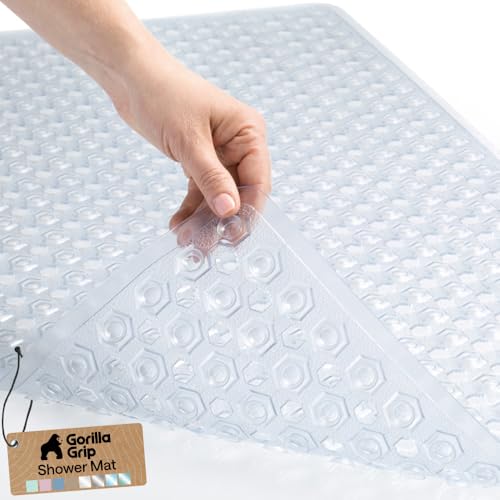
GORILLA GRIP Patented Bath Tub Shower Mat, Machine Washable Bathtub Floor Liner Mats, Suction Cups and Drain Holes to Keep Tubs Clean, Soft on Feet, Bathroom Essentials, 35×16 Inch, Clear
PATENTED DESIGN WITH POWERFUL SUCTION GRIP: a bath mat designed to securely stay in place; this patented bathtub…
As an affiliate, we earn on qualifying purchases.
As an affiliate, we earn on qualifying purchases.