
To build a simple weekly meal rotation for caregiving homes, start by listing versatile, nutritious dishes that meet dietary restrictions and appeal to residents. Plan specific meals for each day, incorporating variety in proteins, vegetables, and cooking methods to keep meals interesting. Prepare ingredients in advance, batch cook, and store portions properly to save time and guarantee freshness. Consistent organization and clear labels help manage dietary needs and presentation, making meal service smooth—continue to explore for more detailed strategies and tips.
Key Takeaways
- Identify versatile, nutritious meal options suitable for bulk preparation and dietary restrictions.
- Assign specific meals to each day to ensure variety and predictability.
- Incorporate different protein sources and meal types to maintain interest and balance.
- Prepare ingredients in advance and use batch cooking for efficiency.
- Label and organize meals for easy access, presentation, and adherence to dietary needs.
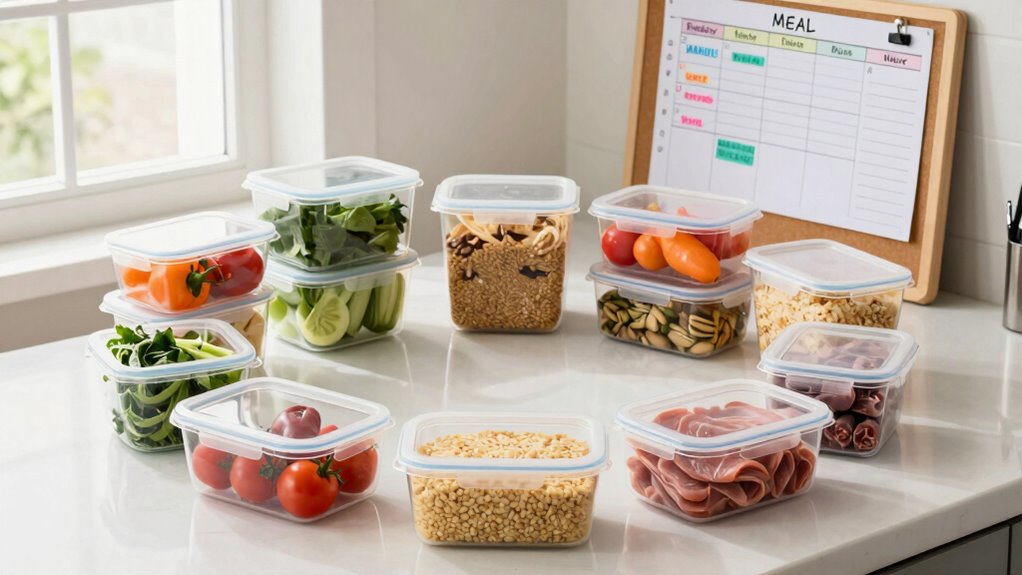
Creating a weekly meal rotation for caregiving homes can streamline your planning, reduce stress, and guarantee residents receive nutritious, varied meals. When you establish a structured plan, meal prep becomes more efficient, saving you time and effort each day. It also helps assure you’re meeting the dietary restrictions of your residents, which is vital for their health and well-being. Starting with a simple framework allows you to organize meals in advance, making grocery shopping more straightforward and minimizing last-minute decisions.
A structured weekly meal plan simplifies prep, ensures variety, and supports residents’ dietary needs for healthier, stress-free caregiving.
To build an effective rotation, begin by listing out meal options that are versatile enough to be prepared in bulk. Focus on incorporating a balance of proteins, vegetables, grains, and healthy fats to promote nutrition. When considering dietary restrictions, be sure to include alternatives for residents with allergies, gluten sensitivities, or specific health conditions like diabetes. For example, if one resident needs a low-sugar diet, plan for fruit and dessert options that align with their restrictions. Keeping these dietary needs in mind from the start helps you avoid last-minute substitutions or compromises that could impact residents’ health.
Next, assign each meal to a specific day of the week. This creates a predictable pattern that simplifies shopping and meal prep. For instance, you might designate Mondays for hearty soups, Tuesdays for baked chicken and vegetables, and so on. Planning variety within the rotation keeps meals interesting, reducing the risk of residents getting bored with their food. You can also rotate protein sources, switching between poultry, fish, legumes, and vegetarian options regularly. Incorporating a variety of meal types also supports nutritional balance, and understanding the filter maintenance can help ensure the freshness and quality of ingredients used. Additionally, considering water efficiency when planning cooking methods can help reduce overall resource use.
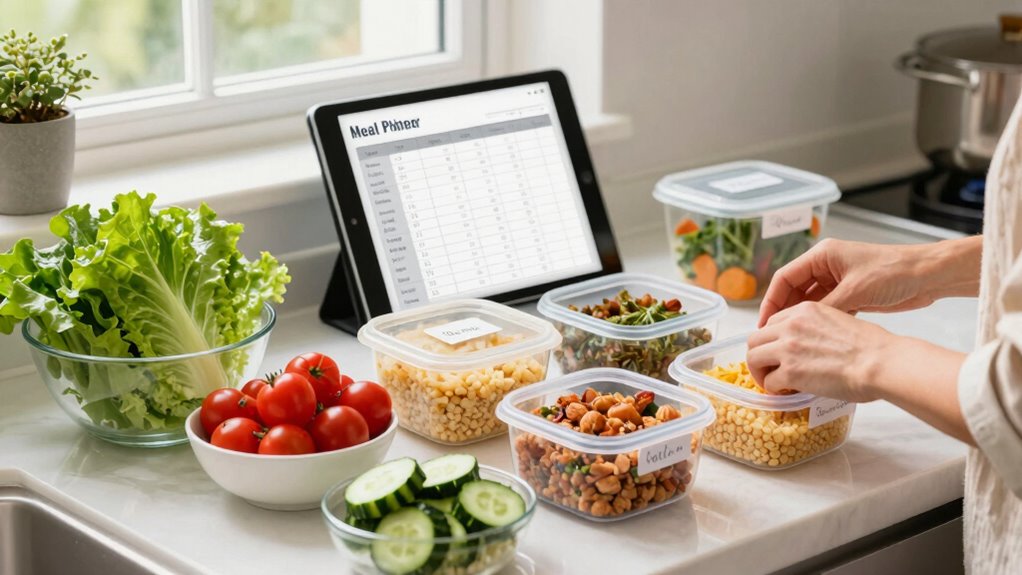
As you develop your rotation, consider how to incorporate meal prep strategies to save time. Preparing ingredients in advance—such as chopping vegetables or pre-cooking grains—can streamline daily cooking. Batch cooking larger quantities and storing portions in the fridge or freezer makes it easier to serve balanced meals quickly. Remember to label containers clearly, especially if you’re managing multiple dietary restrictions, so you or your staff can easily identify suitable options for each resident. Additionally, understanding the contrast ratio of your meal presentation can help ensure the food appears appealing and appetizing to residents, encouraging better intake.

WGCC Meal Prep Containers, 50 Pack Extra-thick Food Storage Containers with Lids, Disposable & Reusable Plastic Bento Lunch Box, BPA Free, Stackable, Microwave/Dishwasher/Freezer Safe (24 oz)
- Complete Meal Prep Set: 50 containers for efficient meal planning
- Airtight, Freshness Preservation: Secure lids prevent spoilage and odors
- Stackable Design: Save space in fridge and cabinets
As an affiliate, we earn on qualifying purchases.
As an affiliate, we earn on qualifying purchases.
Frequently Asked Questions
How Do I Accommodate Special Dietary Restrictions?
To accommodate special dietary restrictions, you need to identify each resident’s specific needs, including allergies and dietary restrictions. Incorporate allergy management by avoiding allergenic ingredients and offering suitable alternatives. Use nutritional supplements if necessary to meet their nutritional needs. Keep detailed records of restrictions, communicate with caregivers and residents, and regularly review menus to guarantee all dietary needs are met safely and effectively.
What if Residents Dislike Certain Meals?
When residents dislike certain meals, you respect their guest preferences and prioritize meal customization. You listen actively, offer alternative options, and involve residents in menu planning. You adapt recipes to suit their tastes, ensuring they feel valued and comfortable. By embracing flexibility and personalizing meals, you create a caring environment where residents feel heard, respected, and satisfied, fostering trust and enhancing their overall well-being.
How Do I Incorporate Seasonal Ingredients?
To incorporate seasonal ingredients, you should focus on seasonal produce and fresh herbs available during each season. Plan your meals around what’s fresh and abundant, which guarantees better flavor and cost savings. You can add herbs like basil or mint to brighten dishes, and include seasonal vegetables and fruits to keep meals exciting and nutritious. Adjust your menu weekly to reflect what’s in peak season for the best results.
How Often Should the Meal Plan Be Updated?
You should update your meal plan every 4 to 6 weeks to maintain effective meal planning and guarantee dietary flexibility. Regular updates allow you to incorporate seasonal ingredients, address residents’ changing preferences, and introduce variety. By reviewing and adjusting your plan periodically, you keep meals fresh and balanced, accommodating special dietary needs and promoting nutritional diversity. This approach helps you stay proactive and responsive to residents’ evolving dietary requirements.
What Are Affordable Ingredient Sourcing Options?
You should focus on budget shopping and bulk purchasing to source affordable ingredients. Visit local farmers’ markets or discount grocery stores for fresh, low-cost produce. Buying staples like rice, beans, and pasta in bulk helps save money and guarantees you always have essentials on hand. Look for sales and discounts, and consider loyalty programs to maximize savings. These strategies make meal planning more economical and sustainable for caregiving homes.

Joyberg Weekly Meal Planner Notebook 8.5×11”, 50 Sheets Weekly Meal Planner Magnetic, Double Helix Meal Planner and Grocery List, Wall-Mountable Menu Planner for Fridge Notepad for Daily & Plan
- Size and Pages: 8.5×11 inches, 50 sheets for a year
- Durable Thick Paper: 80gsm tear-resistant, smooth writing surface
- Vertical Layout: Meal plan and grocery list on each page
As an affiliate, we earn on qualifying purchases.
As an affiliate, we earn on qualifying purchases.
Conclusion
Creating a weekly meal rotation in caregiving homes might seem straightforward, but it’s a balancing act—between variety and simplicity, nutrition and comfort. As you plan, remember that consistency offers security, yet introducing new flavors sparks joy. Like a well-tuned symphony, your menu should blend familiarity with surprises, ensuring your residents feel cared for and engaged. With this approach, your meal plan becomes not just nourishment, but a daily act of kindness and connection.

Easy-To-Swallow, Easy-To-Chew Cookbook: Over 150 Tasty and Nutritious Recipes for People Who Have Difficulty Swallowing
As an affiliate, we earn on qualifying purchases.
As an affiliate, we earn on qualifying purchases.

Freezer Labels 375pcs – 3"x1" Self-Adhesive Removable Food Labels | Write-On Waterproof & Oil-Proof Tape for Containers, Meal Prep & Pantry Organization (3 Rolls, 3 Colors)
- Meal Labels for Over 365 Meals: Includes 3 rolls for extensive use
- Color-Coded Food Safety System: Red, blue, yellow for food types
- BPA-Free and Food Safe: Safe for food contact and storage
As an affiliate, we earn on qualifying purchases.
As an affiliate, we earn on qualifying purchases.