
TL;DR

Get health and wellness essentials delivered free — and shop member deals
- Fast, free delivery on millions of items
- Access to Prime Big Deal Days deals on October 6–7
- Prime Video, Amazon Music and more included
Miss Manners’ advice clarifies whether employees should cut up communal food in the office. The guidance emphasizes respect, hygiene, and social norms, but some questions remain about specific situations.
In her latest column, Miss Manners addressed the question of whether it is appropriate to cut up communal food in the office. Her advice emphasizes that such actions should be guided by respect for colleagues, hygiene considerations, and social norms, making this a relevant issue for many workplaces.
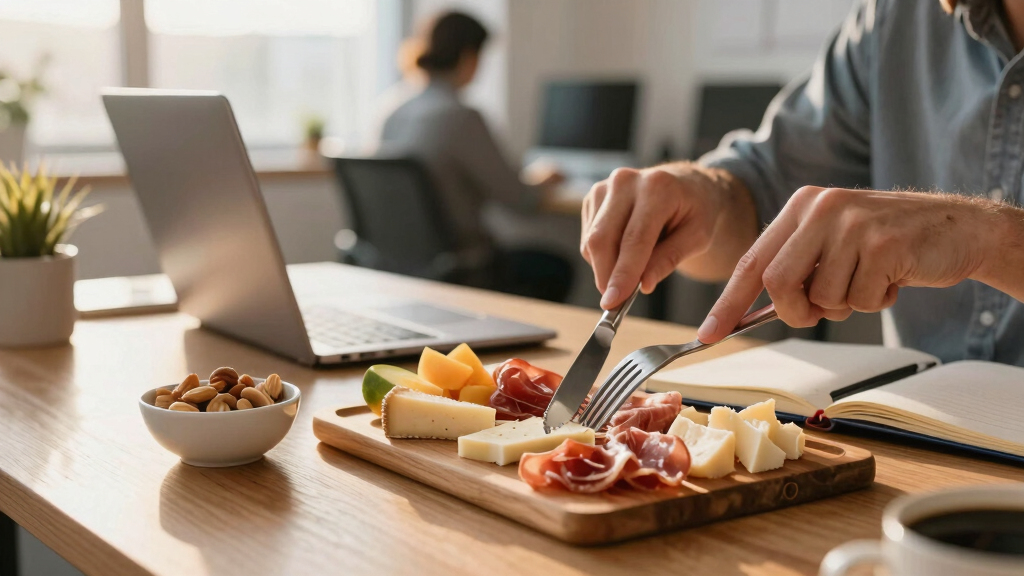
Miss Manners advises that cutting up communal food in an office setting is generally acceptable if done with consideration for others. She suggests that employees should use utensils or their own napkins to avoid direct contact with shared items, especially in light of heightened hygiene awareness. The columnist also notes that social norms vary depending on workplace culture and the nature of the food, with some environments being more permissive than others. She emphasizes that communication and awareness of colleagues’ comfort levels are key to maintaining proper etiquette. While there is no strict rule against cutting up communal food, she underscores the importance of respecting shared space and personal boundaries to foster a respectful office environment.Why Office Food Etiquette Influences Workplace Harmony
This guidance from Miss Manners matters because shared meals are common in workplaces, and proper etiquette can prevent discomfort or conflicts. Understanding when and how to handle communal food helps foster respectful, hygienic, and inclusive environments, especially as remote and hybrid work models evolve. Clear social norms around food sharing can improve team cohesion and reduce misunderstandings, making this advice relevant for employees and managers alike.hygienic serving utensils for office
As an affiliate, we earn on qualifying purchases.
As an affiliate, we earn on qualifying purchases.
Shared food at work has long been a social norm, often involving potlucks, snacks, or communal dishes. In recent years, heightened awareness of hygiene—especially during the COVID-19 pandemic—has led to increased scrutiny of shared eating practices. While traditional etiquette emphasized politeness and consideration, modern guidance now also stresses hygiene and personal boundaries. Miss Manners’ advice reflects ongoing discussions about appropriate behavior in shared spaces, balancing social customs with health concerns. Prior to this column, there has been little formal guidance on specific actions like cutting up communal food, leaving some uncertainty about what is acceptable in different workplaces.
“When sharing communal food at the office, consider hygiene and respect for colleagues’ comfort. Using utensils or your own napkin is advisable.”
— Miss Manners
disposable napkins for communal food
As an affiliate, we earn on qualifying purchases.
As an affiliate, we earn on qualifying purchases.
Unclear Boundaries for Communal Food Sharing
It is not yet clear how different workplaces will interpret or enforce etiquette around communal food, especially regarding specific actions like cutting or serving. Cultural differences and varying hygiene standards may influence what is deemed acceptable, and some employees may have differing comfort levels. There is also no universal rule, and individual preferences can vary widely, leaving some ambiguity about what is appropriate in all contexts.personal food containers for office sharing
As an affiliate, we earn on qualifying purchases.
As an affiliate, we earn on qualifying purchases.
Guidelines Likely to Evolve with Workplace Norms
Employers and employees will likely seek clearer policies on communal food sharing, especially as health concerns persist. Future guidance may include formal policies or workplace etiquette training. Additionally, companies may adopt specific practices—such as providing utensils or designated serving tools—to maintain hygiene and respect. As social norms continue to evolve, ongoing dialogue about shared spaces and food practices will shape acceptable behaviors in diverse work environments.As an affiliate, we earn on qualifying purchases.
Key Questions
Is it acceptable to cut up communal food in the office?
According to Miss Manners, it is generally acceptable if done considerately, using utensils or personal napkins to avoid direct contact. Respect for colleagues’ comfort and hygiene is key.
When in doubt, ask colleagues or follow established office practices. Using utensils and maintaining cleanliness show respect and help prevent misunderstandings.
Are there specific foods that are more sensitive to sharing?
Foods that are messy or require direct contact, such as dips or finger foods, may warrant extra caution. Consider individual preferences and workplace norms when sharing such items.
Has the pandemic changed how offices handle shared food?
Yes, heightened hygiene awareness has led many workplaces to adopt stricter rules about sharing food, including using utensils and avoiding direct contact. These practices may continue as part of ongoing health precautions.
Will there be formal policies on communal food sharing?
It is possible that companies will develop formal guidelines as awareness of hygiene and etiquette grows, especially in diverse or health-conscious workplaces.
Source: rss
Fall Picks
fall essentials
As an affiliate, we earn on qualifying purchases.