
TL;DR
Saudi Arabia has completed its first remote robotic surgery between Riyadh and Jeddah. This breakthrough demonstrates advances in telemedicine and healthcare technology. Details on the procedure and future implications are still emerging.
Saudi Arabia has successfully conducted its first remote robotic surgery connecting hospitals in Riyadh and Jeddah. This achievement marks a major milestone in the country’s adoption of advanced medical technology and telemedicine capabilities, with potential implications for healthcare accessibility and quality across the region.
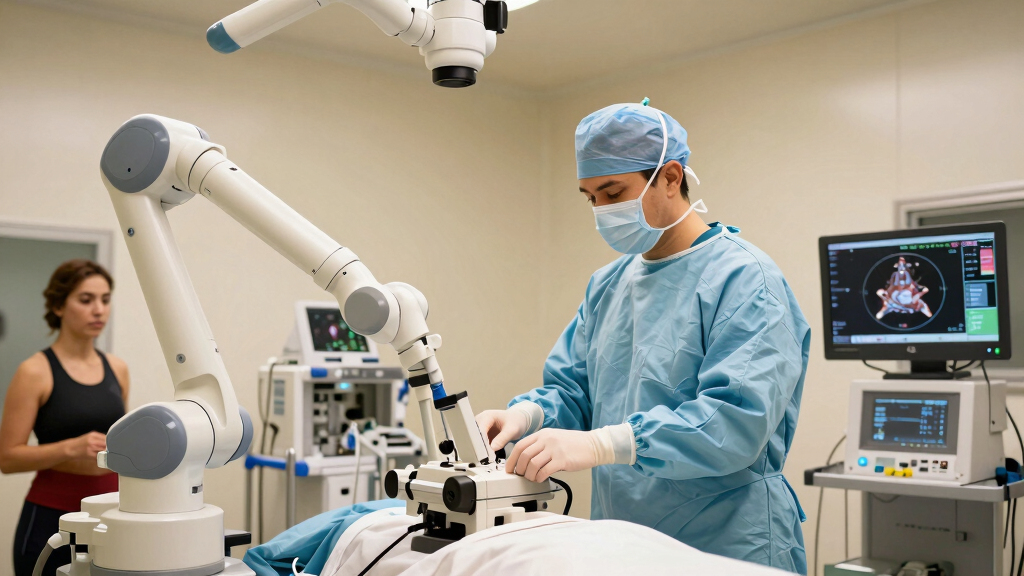
The procedure was carried out using a state-of-the-art robotic surgical system, with the surgeon operating remotely from Riyadh while the patient was in Jeddah. The operation was performed successfully without reported complications, according to officials from the Ministry of Health. This is the first time such a surgery has been publicly confirmed in Saudi Arabia, demonstrating the country’s progress in integrating telemedicine into routine healthcare services.
Health authorities stated that the surgery involved a complex procedure typically requiring high precision, which was achieved through the advanced robotic platform. The operation was monitored by a team of specialists from both cities, highlighting the collaborative effort involved in this technological breakthrough. The success was announced during a press conference held by the Ministry of Health, emphasizing the potential for expanding remote surgeries to improve healthcare access, especially in remote or underserved areas.
Implications for Healthcare Accessibility and Innovation
This achievement signifies a major step forward in medical innovation within Saudi Arabia, showcasing the potential to perform complex surgeries remotely. It could lead to increased access to specialized healthcare services in rural or underserved regions, reducing the need for patient travel and optimizing resource allocation. The successful implementation may also encourage further investment in telemedicine infrastructure and training, positioning Saudi Arabia as a regional leader in healthcare technology.
As an affiliate, we earn on qualifying purchases.
Saudi Arabia’s Progress in Telemedicine and Robotic Surgery
Saudi Arabia has been actively investing in healthcare modernization, including telemedicine and robotic surgery technology, over the past few years. The country’s Vision 2030 initiative emphasizes digital health as a key component of national development. Prior to this milestone, the country had conducted several pilot projects and smaller-scale robotic procedures, but this is the first publicly confirmed instance of a full remote robotic surgery spanning two major cities.
Experts note that the technology used aligns with global trends toward minimally invasive procedures and remote healthcare delivery, which gained increased attention during the COVID-19 pandemic. The development reflects Saudi Arabia’s commitment to adopting cutting-edge medical practices to improve patient outcomes and healthcare efficiency.
“This successful remote surgery demonstrates Saudi Arabia’s commitment to innovation in healthcare and our ability to leverage technology to serve our citizens better.”
— Dr. Ahmed Al-Farsi, Minister of Health
As an affiliate, we earn on qualifying purchases.
Unanswered Questions About Broader Implementation
It is not yet clear how widely this technology will be adopted across Saudi Arabia or what the cost implications might be. Details about the specific robotic systems used, the training required, and the potential for scaling this approach to other procedures remain undisclosed. Additionally, questions about regulatory frameworks, patient safety, and long-term outcomes are still being addressed.
As an affiliate, we earn on qualifying purchases.
Next Steps for Saudi Telemedicine and Surgical Innovation
The Ministry of Health plans to evaluate the outcomes of this initial remote surgery and consider expanding the program to include more hospitals and types of procedures. Further training programs for surgeons and investment in telemedicine infrastructure are expected. Officials also indicated ongoing research to refine the technology and ensure safety standards for broader deployment.
minimally invasive surgical robots
As an affiliate, we earn on qualifying purchases.
As an affiliate, we earn on qualifying purchases.
Key Questions
What is remote robotic surgery?
Remote robotic surgery involves a surgeon operating a robotic system from a location separate from the patient, using advanced telecommunication technology to perform precise procedures.
Why is this development important for Saudi Arabia?
It demonstrates the country’s progress in healthcare technology, potentially improving access to specialized care and reducing travel needs for patients in remote areas.
Are there risks associated with remote robotic surgery?
Like all surgical procedures, remote robotic surgeries carry risks, but the technology aims to enhance precision and safety. Long-term safety data is still being collected.
Will this technology be available nationwide?
Officials plan to evaluate the initial success before expanding the program, but widespread availability will depend on infrastructure development and regulatory approval.
How does this compare to traditional surgery?
Remote robotic surgery offers minimally invasive options with potentially faster recovery times, but it requires specialized equipment and trained personnel.
Source: local