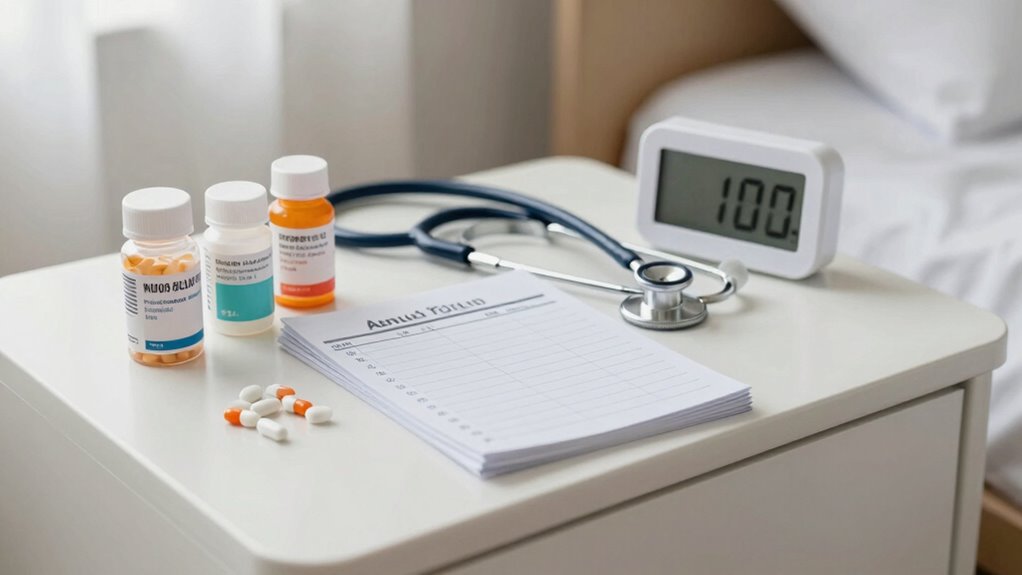

When handling medication changes after hospital discharge, carefully review your updated medication list and ask your healthcare provider or pharmacist to explain any differences. Use organizers, alarms, or reminder apps to stick to your new schedule, and keep track of side effects or concerns in a symptom diary. Stay proactive by communicating regularly with your healthcare team and asking questions. If you want to learn more about safely managing these changes, keep exploring for helpful tips.

Get health and wellness essentials delivered free with Prime
- Fast, free delivery on millions of items
- Prime Video, Amazon Music and more included
- Member-only deals all year
Key Takeaways
- Review the updated medication list carefully and compare it with previous prescriptions for any changes.
- Ask your healthcare provider or pharmacist to explain new medications or adjustments.
- Use reminders or organizers to ensure timely and correct medication intake.
- Monitor for side effects and keep a record to share with your healthcare team.
- Communicate regularly with your healthcare providers about any concerns or adverse reactions.

After leaving the hospital, managing medication changes can feel overwhelming, but staying organized and informed makes it manageable. One of the most important steps you can take is medication reconciliation. This process involves reviewing your new medication list carefully to ensure everything matches your doctor’s instructions. When you get discharged, ask your healthcare provider or pharmacist to go over your medications with you. Confirm that each drug, dose, and timing is correct, and clarify any changes from your previous regimen. Keep a written record of your medication list, including the purpose of each medication, so you can easily reference it later. This helps prevent errors, missed doses, and duplicate medications, which are common risks during transitions from hospital to home. Incorporating medication management strategies such as setting reminders or using organizational tools can further support your adherence. Additionally, understanding medication safety protocols can help you avoid potential complications and ensure proper use. Being aware of medication instructions and how to follow them accurately is also crucial for your safety. Regular communication with your healthcare team is essential to address any concerns that may arise during this transition period.
Managing side effects is another critical aspect of handling medication changes. As you start new medications or adjust existing ones, you may experience side effects. Pay close attention to how your body responds and don’t hesitate to report any adverse effects to your healthcare provider. Some side effects are minor and may resolve on their own, but others could require prompt attention or adjustments to your treatment plan. Keep a symptom diary to track what you experience, when it occurs, and how severe it is. This information will help your doctor determine whether the side effects are expected or if changes are necessary. Being aware of common medication side effects can help you identify issues early and seek appropriate care.
Staying informed about your medications is essential. Read the medication guides that come with each drug and ask your pharmacist or doctor to explain anything unclear. Understanding the purpose and potential side effects of your medications empowers you to take an active role in your health and recognize issues early. If a new medication conflicts with any allergies, existing conditions, or other drugs you’re taking, notify your provider immediately. This communication reduces the risk of harmful interactions and ensures you’re on the safest and most effective regimen. Additionally, being aware of drug interactions can help prevent adverse effects caused by incompatible medications.
Finally, establish a routine for taking your medications consistently. Use pill organizers, set alarms, or use medication reminder apps to help you stay on track. Regularly reviewing your medication list and side effects with your healthcare team ensures you’re managing your medications properly, adjusting as needed, and maintaining your health after hospital discharge. Staying proactive and engaged in your medication management makes the transition smoother and helps you recover safely at home.
medication organizer with alarms
As an affiliate, we earn on qualifying purchases.
As an affiliate, we earn on qualifying purchases.
Frequently Asked Questions
How Do I Manage Side Effects From New Medications?
To manage side effects from new medications, start by paying close attention to your symptoms and noting any changes. Keep track of potential medication interactions that could worsen side effects. If you notice anything concerning, contact your healthcare provider promptly. They can adjust your dosage or suggest alternatives. Regular symptom monitoring helps you catch issues early, ensuring safe and effective use of your medications while minimizing discomfort.
Who Should I Contact if I Experience Adverse Reactions?
If you experience adverse reactions, immediately contact your healthcare provider or emergency contacts. Prioritize prompt communication to promote medication safety and prevent complications. Keep a list of your medications and symptoms handy, and don’t hesitate to seek urgent help if symptoms worsen. Remember, quick connection with medical professionals can curb crises and clarify concerns, ensuring your health stays safe and sound. Always stay proactive about your medical safety and contacts.
What Should I Do if I Forget a Dose?
If you forget a dose, don’t worry—act quickly. Check your medication timing and see how long ago you missed it. Take the missed dose as soon as you remember unless it’s almost time for your next one. Use pill reminders to help you stay on track moving forward. If you’re unsure, consult your healthcare provider or pharmacist for guidance. Staying consistent is key to managing your health effectively.
How Can I Ensure My Pharmacy Has Updated Prescriptions?
You must communicate with your pharmacy daily—yes, daily! Call or visit to guarantee pharmacy communication is seamless and prescription accuracy is maintained. Confirm they have the latest updates from your healthcare provider, and double-check that they’ve processed all medication changes correctly. This proactive approach prevents mix-ups, keeps your medicines on track, and guarantees you’re always getting the right prescriptions, exactly when you need them.
When Should I Schedule Follow-Up Appointments Regarding Medications?
You should schedule follow-up appointments with your healthcare provider within a week or two after hospital discharge to discuss medication adherence and any needed prescription renewal. These visits guarantee your medications are working correctly and allow adjustments if necessary. Regular follow-ups help prevent complications, keep your treatment on track, and ensure your prescriptions are up to date, ultimately supporting your recovery and long-term health.
As an affiliate, we earn on qualifying purchases.
Conclusion
Think of your medications as a garden that needs careful tending. When discharge brings changes, you’re the gardener responsible for nurturing new plants and removing the old. Stay vigilant, ask questions, and follow your healthcare provider’s guidance—the key to a thriving, healthy garden. Remember, each medication change is a new seed for your well-being. With attentive care, you’ll cultivate a vibrant, resilient life beyond the hospital walls.
As an affiliate, we earn on qualifying purchases.
As an affiliate, we earn on qualifying purchases.
Halloween Picks
halloween
As an affiliate, we earn on qualifying purchases.