
TL;DR

Get health and wellness essentials delivered free with Prime
- Fast, free delivery on millions of items
- Prime Video, Amazon Music and more included
- Member-only deals all year
WSA reported results from studies at 42 clinics in Spain, Canada and the United States: hearing aid conversion rates were higher when clinicians systematically explored patients’ sound preferences. The reported average difference was 5 percentage points, but the source does not provide sample sizes, detailed methods or evidence that the approach alone caused the increase.
WSA says hearing aid conversion rates were 5 percentage points higher in consultations where clinicians systematically explored patients’ sound preferences, based on studies at 42 clinics in Spain, Canada and the United States. The results suggest that giving patients a structured way to compare sound experiences may support decisions to purchase hearing aids, though the reported association does not establish that the discussions caused the increase.
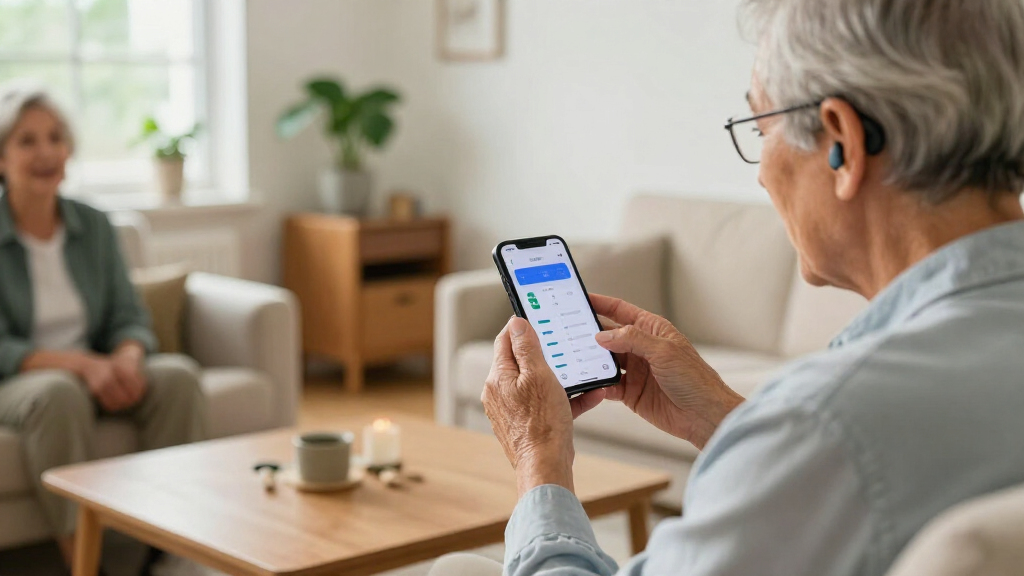
Over a period of more than three months, 63 hearing care professionals used WSA’s Sound Preference tool and a follow-up discussion with new and experienced hearing aid users. The group included 43 professionals in Spain and 20 across the United States and Canada. The tool lets patients compare natural and enhanced sound designs across five listening scenarios, then discuss their preferences with a clinician.
WSA reported a 4.3-percentage-point advantage in the Spanish study and a 5.8-percentage-point advantage in North America; the company’s global average was 5 percentage points. In Spain, about 40% of clients expressed a moderate or strong preference for one sound design, with preferences divided approximately evenly between natural and enhanced sound.
Spanish clinicians also reported their views of the consultation process: 84% agreed the approach improved the clinical experience they could offer, and 77% agreed it improved the likelihood of selecting the right hearing aid. These figures reflect clinician responses, not independently measured patient outcomes. The Spanish study is described in a white paper by Laura Winther Balling, Ingrid Rubio Roldán and José Antonio Navarrete Salmerón.
How Sound Preferences May Shape Fittings
The findings address a practical question in hearing care: how to include a person’s experience of sound in a hearing aid recommendation. A structured comparison may help patients describe whether they favor a more natural balance of speech and surroundings or a sound profile that emphasizes speech clarity. That information can give clinicians another consideration alongside hearing needs and fitting requirements.
The reported conversion-rate difference matters to clinics and patients because deciding to obtain hearing aids is a key step in accessing hearing care. However, the results do not show that every patient benefits from the same sound design, or that preference discussions will produce the same sales difference in other clinics. The study reports an association, and the available source does not provide enough methodological detail to assess the result independently.
Products Worth Considering

BowFlex Results Series SelectTech Adjustable Dumbbells, Pair

Oral-B iO Series 9 Limited Rechargeable Electric Toothbrush with 7 Cleaning Modes

Therabody Theragun Prime 6th Generation Deep Tissue Massage Gun, Navy
As an affiliate, we earn on qualifying purchases.
WSA’s Sound Preference Program
The studies build on WSA’s Sound Preference program, launched in April, which provides research and clinical tools for discussing how individual sound preferences may affect hearing aid experiences. WSA says the program is intended to help professionals incorporate those preferences into consultations rather than rely only on a device’s technical characteristics.
The company connects the approach to its two sound-design platforms. It describes Widex Allure AI as aimed at listeners who prefer a natural sound experience, while Signia Multi-adaptive Xperience emphasizes speech clarity and comfort in complex listening environments. WSA says clinicians can use other clinical considerations when a patient has no clear preference; the tool is not presented as replacing professional judgment.
Limits of the Reported Results
The report does not give the total number of patients involved, the exact conversion-rate figures before and after the approach, or a detailed account of how clinics were selected and compared. It also does not specify whether other differences between consultations or clinics could have contributed to the results. The reported percentage-point advantages should not be read as proof that sound-preference discussions alone caused more purchases.
The available material also does not establish whether the approach changes long-term hearing aid use, satisfaction or clinical outcomes. The finding that preferences were split approximately evenly in Spain applies to that study’s clients; it does not establish how preferences are distributed among hearing aid users generally.
Further Evidence and Clinical Use
WSA says it will continue advancing its Sound Preference program and its Widex and Signia sound-design platforms. The Spanish study’s white paper offers more detail on that country’s findings, while the company directs readers to soundpreference.com for program information. The supplied report does not announce a date for additional study results or describe a planned independent replication.
For now, the reported results give hearing care professionals a reason to consider structured conversations about sound preference as one part of consultations. Whether the conversion-rate difference holds across wider patient groups, and whether it corresponds with better longer-term experiences, remains to be established.
Key Questions
What did the WSA studies report?
WSA reported that conversion rates were 5 percentage points higher on average when clinicians systematically explored individual sound preferences during consultations. The studies covered clinics in Spain, Canada and the United States.
How did patients explore their sound preferences?
Clinicians used WSA’s tool to let patients compare natural and enhanced sound designs across five listening scenarios, followed by a discussion of their preferences.
Does the study prove the discussions caused more hearing aid purchases?
No. The report describes an association between the approach and higher conversion rates. The available details do not establish that preference discussions alone caused the difference.
How many hearing care professionals took part?
Sixty-three professionals used the tool for more than three months: 43 in Spain and 20 across the United States and Canada.
What remains unknown about the findings?
The report does not provide the total patient sample, detailed baseline conversion rates, or enough information to assess all possible differences between clinics. It also does not report whether the approach affected long-term use or satisfaction.
Source: hearingreview.com