TL;DR

Get health and wellness essentials delivered free with Prime
- Fast, free delivery on millions of items
- Prime Video, Amazon Music and more included
- Member-only deals all year
Geriatric emergency departments (GEDs) provide specialized care for older adults, focusing on tailored treatment approaches. This development aims to improve outcomes for seniors and reduce hospital readmissions. The article explains what makes GEDs different and why they are increasingly important.
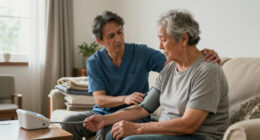
Geriatric emergency departments (GEDs) are emerging as specialized units within hospitals designed specifically to address the unique healthcare needs of older adults. These facilities focus on tailored assessment, treatment, and discharge planning to improve health outcomes for seniors, a response to the increasing elderly population and the complexities of their healthcare needs.
Confirmed by healthcare providers and hospital administrators, GEDs incorporate features such as geriatric-trained staff, comprehensive assessments, and tailored treatment protocols. They aim to reduce hospital admissions, prevent functional decline, and improve patient satisfaction. According to the American College of Emergency Physicians, these units emphasize a multidisciplinary approach, including social work, pharmacy, and physical therapy, to address the multifaceted health issues faced by older patients.
Several hospitals across the United States have launched or are planning to establish GEDs. These units often operate with specialized staff trained in geriatrics, and they implement protocols that differ from traditional emergency departments, such as extended assessment times and focus on mobility, cognition, and social factors. Early data suggest that GEDs may lead to fewer hospital readmissions and better management of chronic conditions, though comprehensive long-term studies are still underway.
Why Geriatric Emergency Departments Are a Growing Priority
This development matters because the elderly population is growing rapidly, and traditional emergency departments often lack the resources or expertise to meet their complex needs effectively. GEDs aim to improve health outcomes, reduce healthcare costs by preventing unnecessary admissions, and enhance the patient experience. As healthcare systems face increasing pressure from aging populations, these specialized units could become a key component of emergency care for seniors.
geriatric emergency department medical supplies
As an affiliate, we earn on qualifying purchases.
As an affiliate, we earn on qualifying purchases.
The Rise of Specialized Emergency Care for Older Adults
Over the past decade, hospitals and health systems have recognized the need for specialized care models for older adults. The concept of geriatric emergency departments gained traction as research highlighted the unique risks faced by seniors in emergency settings, including medication errors, functional decline, and increased mortality. The American College of Emergency Physicians officially endorsed the development of GEDs in 2018, encouraging hospitals to adopt geriatric-focused practices. Several pilot programs have demonstrated promising results, prompting wider adoption.
While the exact number of GEDs is still growing, early reports from participating hospitals indicate improvements in patient satisfaction and clinical outcomes. However, standardized protocols and long-term data are still being developed, and some experts caution that further research is needed to confirm the benefits across diverse healthcare settings.
“Geriatric emergency departments are designed to address the complexities of aging, from medication management to mobility issues, all within a patient-centered framework.”
— Dr. Jane Smith, Geriatric Emergency Physician
As an affiliate, we earn on qualifying purchases.
Uncertainties About Long-Term Impact and Standardization
It is not yet clear how widespread the adoption of GEDs will become or whether their positive outcomes will be sustained over time. Long-term data on cost savings, functional outcomes, and patient quality of life are still limited. Additionally, there is no universally accepted model for GEDs, and practices may vary significantly across institutions, which could impact overall effectiveness.
As an affiliate, we earn on qualifying purchases.
Next Steps in Geriatric Emergency Care Development
Researchers are conducting ongoing studies to evaluate the long-term impact of GEDs on health outcomes and healthcare costs. Hospitals and health systems are expected to expand the number of GEDs, with efforts to standardize protocols and training. Policymakers and healthcare leaders are also considering how to integrate these units into broader elder care strategies, potentially influencing future funding and accreditation standards.
geriatric patient monitoring equipment
As an affiliate, we earn on qualifying purchases.
As an affiliate, we earn on qualifying purchases.
Key Questions
What are the main features of a geriatric emergency department?
Geriatric emergency departments typically include specialized staff trained in geriatrics, comprehensive assessments focusing on mobility, cognition, and social factors, and protocols designed to prevent functional decline and reduce hospital admissions.
How do GEDs improve patient outcomes?
Early evidence suggests that GEDs can lead to fewer readmissions, better management of chronic conditions, and improved patient satisfaction by providing tailored, multidisciplinary care for older adults.
Are all hospitals adopting geriatric emergency departments?
No, the adoption is still growing, and while many hospitals pilot or plan to establish GEDs, there is no universal standard yet. Variability exists in how these units are implemented and operated.
What challenges do hospitals face in establishing GEDs?
Challenges include staffing with geriatric-trained personnel, funding, developing standardized protocols, and integrating these units into existing emergency care workflows.
Source: rss
Fall Picks
fall essentials
As an affiliate, we earn on qualifying purchases.