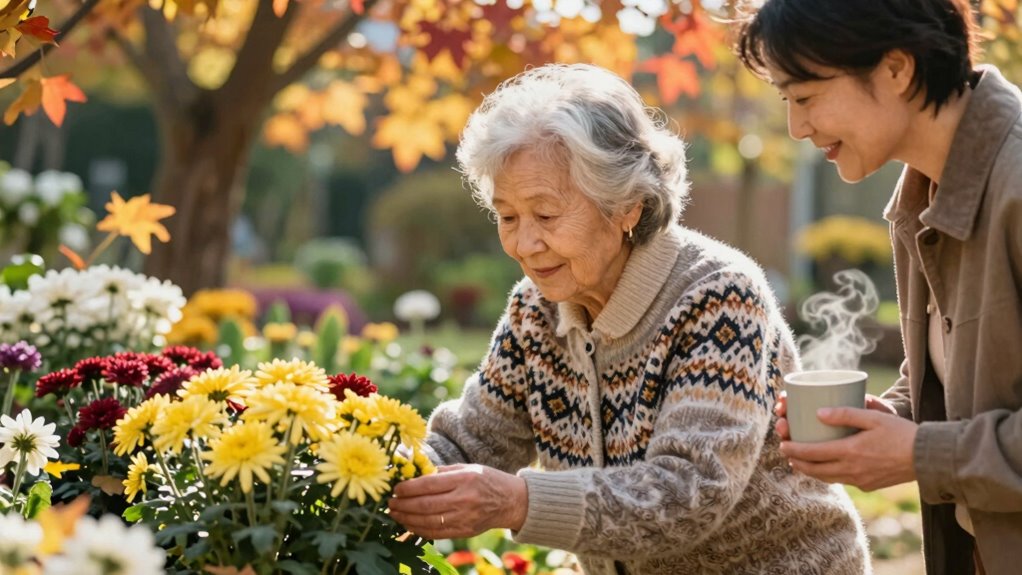

To support seasonal wellness in older adults, help them get enough sunlight by encouraging outdoor activities during midday, and include Vitamin D-rich foods or supplements if needed. Establish consistent sleep routines and create a cozy, dark, cool sleeping environment to improve rest. Promote social connections, light exercise, and exposure to natural light indoors or through light therapy. Focus on a nutrient-dense diet, hydration, and calming sounds or music. Keep these strategies in mind to help them stay balanced during darker months.

Get health and wellness essentials delivered free with Prime
- Fast, free delivery on millions of items
- Prime Video, Amazon Music and more included
- Member-only deals all year
Key Takeaways
- Encourage safe outdoor activities during midday sunlight for natural Vitamin D synthesis.
- Establish consistent sleep routines and create a comfortable sleep environment to counteract seasonal sleep disruptions.
- Promote social engagement and light exercise to boost mood and prevent Seasonal Affective Disorder.
- Provide nutrient-rich foods and ensure adequate hydration to support immune health and energy levels.
- Use natural light, light therapy, and calming sound therapies to enhance mood and regulate circadian rhythms.
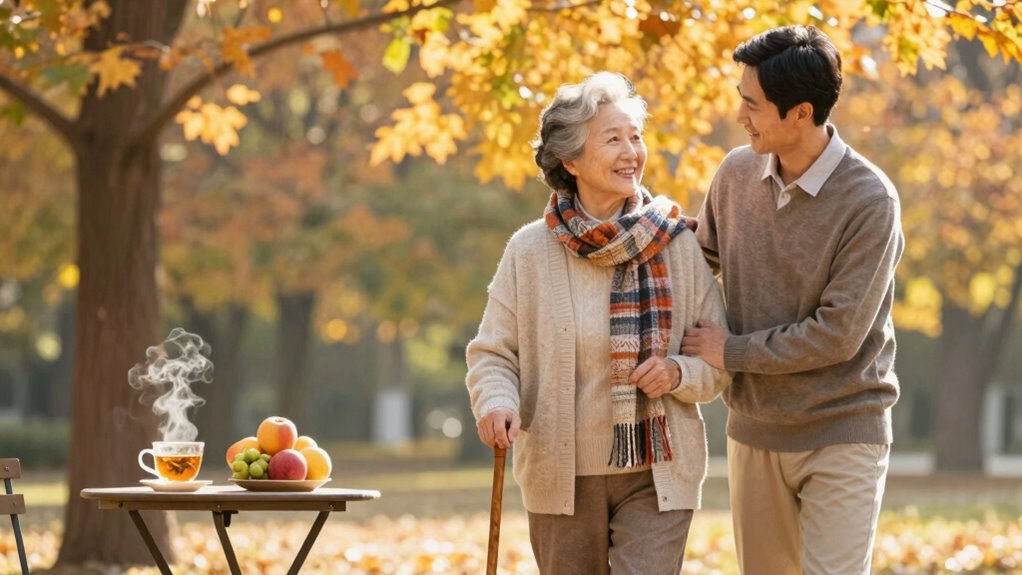
As the seasons change, older adults often face unique challenges that can impact their physical and mental well-being. During the colder, darker months, many find their Vitamin D levels drop due to less sunlight exposure. This decrease can lead to feelings of fatigue, mood swings, and weakened immunity. To support seasonal wellness, you should encourage your loved ones to get outside safely whenever possible, especially during midday hours when sunlight is strongest. Incorporating Vitamin D-rich foods like fatty fish, fortified dairy, and eggs into their diet can also help maintain healthy levels. If natural sunlight isn’t sufficient, think about discussing Vitamin D supplements with their healthcare provider to prevent deficiencies. Additionally, utilizing natural light sources indoors can help improve their mood and circadian rhythms during the darker months, as light therapy has been shown to positively influence brainwave patterns and emotional health.
Sleep patterns often shift with the seasons, and you might notice your loved ones sleeping more or experiencing disrupted sleep. Shorter days and colder weather can make it harder to maintain a consistent sleep schedule, leading to feelings of exhaustion or irritability. Helping them establish a routine can make a significant difference. Encourage regular sleep times, limit screen exposure before bed, and create a cozy, dark, and cool sleeping environment to promote quality rest. Physical activity during the day, even light walks, can also improve sleep quality by regulating their internal clock and promoting relaxation. Recognizing the importance of circadian rhythms can help in designing effective sleep routines that align with seasonal changes.
Emotional well-being is another essential aspect to think about during seasonal transitions. Some older adults experience Seasonal Affective Disorder (SAD), which is linked to reduced sunlight and changes in mood. Supporting their mental health involves encouraging social interactions, whether through phone calls, virtual meetings, or safe outdoor visits. Engaging in hobbies or light exercise can boost endorphin levels, improving their outlook. Additionally, increasing exposure to natural light during the day, through sitting near windows or using light therapy lamps, can help mitigate feelings of depression or lethargy common in winter months. Understanding how sound vibrations influence mood and energy can also open new avenues for supporting emotional wellness during these times. It’s also helpful to educate caregivers and family members about recognizing early signs of seasonal depression to ensure timely intervention.
Nutrition plays an important role in maintaining overall health during seasonal changes. Focus on nutrient-dense foods rich in antioxidants, vitamins, and minerals to strengthen immunity and energy levels. Hydration remains essential; colder weather can sometimes mask dehydration, so remind your loved one to drink water regularly.
Vitamin D supplements for seniors
As an affiliate, we earn on qualifying purchases.
As an affiliate, we earn on qualifying purchases.
Frequently Asked Questions
How Can I Tell if Seasonal Changes Are Affecting an Older Adult’s Mental Health?
You can tell if seasonal changes affect an older adult’s mental health by observing shifts in their emotional well-being and behaviors. Look for signs like increased sadness, withdrawal, or changes in sleep and appetite. Regular mental health screening can help identify issues early. If you notice these signs, encourage open conversations and seek professional support to guarantee their emotional well-being remains stable during seasonal shifts.
What Are the Signs of Vitamin D Deficiency in Seniors During Winter?
You might notice signs like fatigue, muscle weakness, or mood dips, which could hint at a vitamin deficiency. During winter, limited sun exposure can lead to a drop in vitamin D levels, impacting overall wellbeing. Keep an eye out for changes in energy or mood, as these subtle cues often signal the need for more outdoor time or supplements. Ensuring adequate sun exposure helps support your loved one’s vitamin D levels naturally.
How Can Technology Assist in Supporting Seasonal Wellness for Older Adults?
You can leverage technology to support seasonal wellness by encouraging older adults to use wearable devices that monitor activity, sleep, and essential signs, helping them stay aware of their health changes. Additionally, virtual consultations enable quick access to healthcare providers for personalized advice, especially during winter months when in-person visits might be challenging. Together, these tools empower seniors to manage their wellness proactively and stay healthier year-round.
Are There Specific Dietary Adjustments Recommended for Seasonal Wellness?
You should focus on seasonal dietary planning by increasing nutrient-rich foods like fruits and vegetables, which support immune health. Incorporate nutritional supplements such as vitamin D during winter months, especially if sunlight exposure is limited. Reduce processed foods and sugar, and stay hydrated. Adjust meals to include warm, comforting options in colder months. These habits help maintain energy, boost immunity, and promote overall wellness during seasonal changes.
What Community Resources Are Available for Seasonal Wellness Support?
You can access community centers offering seasonal wellness programs tailored for older adults, such as exercise classes, health screenings, and educational workshops. Support groups focused on mental health, nutrition, or chronic illness also provide valuable emotional and practical support during seasonal changes. These resources help you stay connected, promote healthy habits, and address specific wellness needs, ensuring you’re better equipped to navigate seasonal challenges with community-based assistance.
light therapy lamps for seasonal affective disorder
As an affiliate, we earn on qualifying purchases.
As an affiliate, we earn on qualifying purchases.
Conclusion
By understanding and supporting seasonal wellness changes, you can help older adults maintain their health and happiness year-round. Did you know that up to 20% of seniors experience Seasonal Affective Disorder, impacting their mood and energy? By encouraging outdoor activity, proper nutrition, and mental health support, you can make a real difference. Your proactive approach guarantees they stay resilient, connected, and well throughout every season.
sleep environment cooling and darkening curtains
As an affiliate, we earn on qualifying purchases.
As an affiliate, we earn on qualifying purchases.
senior-friendly outdoor walking shoes
As an affiliate, we earn on qualifying purchases.
As an affiliate, we earn on qualifying purchases.
Halloween Picks
halloween
As an affiliate, we earn on qualifying purchases.