
To support your breathing and sleep, use high-quality HEPA air purifiers and guarantee proper ventilation. Incorporate natural elements like houseplants to filter indoor pollutants, and keep your space clean to reduce microplastics and allergens. Establish a consistent sleep routine and optimize your environment with cool, dark, and quiet settings. A holistic approach that combines air quality, relaxation, and proper airflow helps you breathe easier and sleep better—exploring further can help you transform your home comfort setup.

Get health and wellness essentials delivered free — and shop member deals
- Fast, free delivery on millions of items
- Access to Prime Big Deal Days deals on October 6–7
- Prime Video, Amazon Music and more included
Key Takeaways
- Use HEPA-filter air purifiers to reduce dust, allergens, and airborne pollutants for cleaner indoor air.
- Incorporate native plants to naturally filter air and boost indoor biodiversity.
- Maintain a cool, dark, quiet sleep environment with blackout curtains and proper ventilation.
- Establish consistent sleep routines and avoid screens before bed to improve sleep quality.
- Create a holistic home environment by combining clean air, natural elements, and optimal sleep conditions.
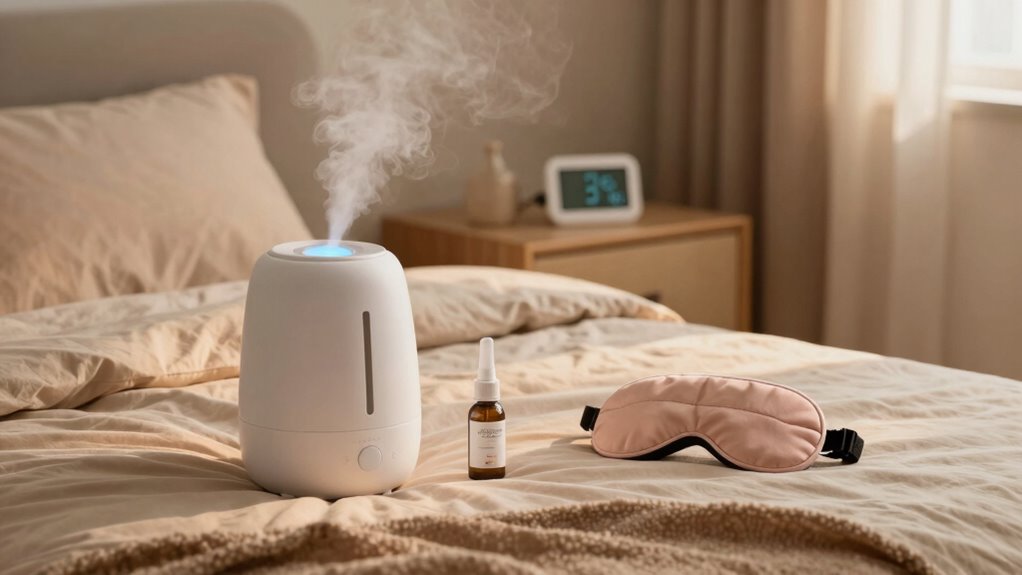
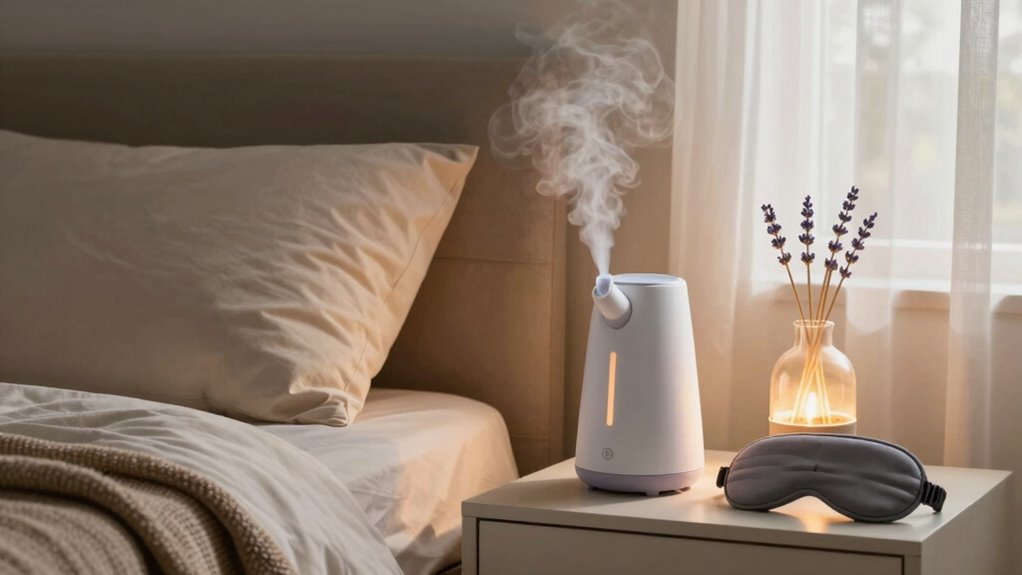
Creating a comfortable home environment is vital for better breathing and restful sleep. When your space promotes good air quality, you set the stage for healthier lungs and deeper rest. Clean air isn’t just about avoiding pollutants; it’s about creating an environment where you can breathe freely without irritation or congestion. Using air purifiers equipped with HEPA filters can considerably reduce dust, allergens, and airborne particles that might disrupt your breathing throughout the night. Keep your home well-ventilated by opening windows when weather permits or using exhaust fans to circulate fresh air, especially in areas prone to humidity or mold. Maintaining good air quality is a key component of sleep hygiene, which is the foundation for quality sleep. When your environment supports clean, fresh air, your body can relax more easily, helping you fall asleep faster and stay asleep longer. Additionally, reducing microplastics in dust can further improve your indoor air quality and health. Regularly cleaning and dusting surfaces can also help minimize the presence of these harmful particles in your environment. Incorporating natural elements such as native plants can further enhance biodiversity and improve indoor air quality by filtering pollutants naturally.
Alongside air quality, prioritizing sleep hygiene is vital. Creating a consistent bedtime routine signals to your body that it’s time to wind down, promoting more restorative sleep. Establish a regular schedule, going to bed and waking up at the same time each day, even on weekends. This consistency helps regulate your internal clock and improves sleep quality over time. Avoid screens at least an hour before bed, since blue light suppresses melatonin production, making it harder to fall asleep. Instead, opt for calming activities like reading or gentle stretching. Ensuring your sleeping environment is cool, dark, and quiet also supports better sleep hygiene. A temperature around 65-70°F (18-21°C), blackout curtains, and minimizing noise create ideal conditions for restful sleep. Proper air circulation is also essential, as stagnant air can negatively impact sleep quality and overall comfort.
When you optimize both your air quality and sleep environment, you create a holistic approach to health that supports your respiratory and overall well-being.
As an affiliate, we earn on qualifying purchases.
Frequently Asked Questions
Are Home Comfort Tools Suitable for Children and Infants?
Home comfort tools can be suitable for children and infants if you prioritize child safety and infant suitability. Always choose products specifically designed for their age, ensuring they meet safety standards. For infants, look for gentle, non-invasive options like humidifiers or breathable sleep aids. Consult your pediatrician before introducing any new tools, and supervise their use to prevent accidents, ensuring your little ones stay safe and comfortable.
How Often Should I Replace or Clean These Devices?
You should replace or clean your devices regularly to guarantee peak performance and safety. Follow the manufacturer’s guidelines for device maintenance and cleaning frequency—usually, cleaning filters weekly and replacing parts every few months. For devices used by children or infants, more frequent cleaning is essential to prevent bacteria buildup. Always inspect your devices for wear and tear, and don’t delay replacing any damaged components to maintain effective breathing and sleep support.
Can These Tools Help With Allergy-Related Breathing Issues?
Yes, these tools can help with allergy-related breathing issues by improving air quality and reducing allergens. Air purifiers remove airborne particles, while humidifiers add moisture, easing breathing. Regular cleaning maintains their effectiveness, ensuring allergen reduction. Using these tools consistently creates a healthier environment, helping you breathe easier and sleep better. Prioritizing air quality and allergen reduction makes a significant difference in managing allergy symptoms at home.
Are There Any Side Effects From Using These Comfort Tools?
Using these comfort tools is generally safe, but you should consider device safety and potential long-term effects. Some devices, like humidifiers or air purifiers, may cause irritation or mold growth if not maintained properly. Prolonged use of certain devices might affect your breathing or sleep quality over time. Always follow manufacturer instructions, clean devices regularly, and consult a healthcare professional if you notice any adverse effects.
Do Insurance Plans Cover the Cost of Home Breathing and Sleep Aids?
It’s a mixed bag—insurance coverage varies, and some plans do cover home breathing and sleep aids. You might need to jump through hoops, but devices like CPAP machines often qualify for reimbursement if prescribed by a doctor. Check with your insurer beforehand to avoid surprises, and keep all receipts and documentation. Being prepared helps you navigate the process smoothly and guarantees you get the support you need without breaking the bank.
As an affiliate, we earn on qualifying purchases.
Conclusion
As you explore these home comfort tools, you’re opening the door to better breathing and deeper sleep. But the true secret lies not just in the devices themselves, but in discovering what works best for you—something only time and experience will reveal. Will a simple humidifier or a high-tech air purifier make all the difference? The answers are waiting just beyond your reach, ready to transform your nights and mornings in ways you never imagined.
houseplants for air purification
As an affiliate, we earn on qualifying purchases.
As an affiliate, we earn on qualifying purchases.
As an affiliate, we earn on qualifying purchases.
Fall Picks
fall essentials
As an affiliate, we earn on qualifying purchases.