
TL;DR

Get health and wellness essentials delivered free with Prime
- Fast, free delivery on millions of items
- Prime Video, Amazon Music and more included
- Member-only deals all year
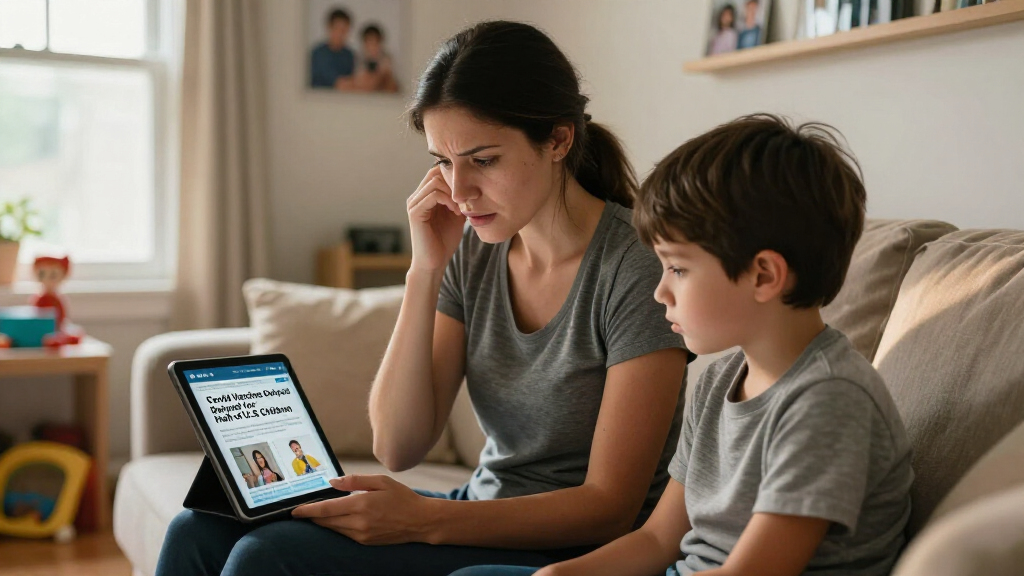
About half of American children are currently experiencing delays in Covid vaccination schedules. The delay is confirmed by health authorities, but reasons remain unclear. This development could impact public health efforts and vaccination coverage among youth.
Approximately 50% of children in the United States are experiencing delays in receiving their Covid-19 vaccines, according to recent reports from health authorities. This delay affects the vaccination schedules of millions of children and raises concerns about potential impacts on public health efforts to control Covid-19 among youth populations.
Health officials confirmed that around half of U.S. children scheduled for Covid vaccinations are currently facing delays. The delays vary by region and age group but are widespread enough to draw attention from the Centers for Disease Control and Prevention (CDC) and state health departments. The reasons for these delays are not yet fully understood, but factors such as supply chain issues, parental hesitancy, and logistical challenges are being investigated.
Sources from the CDC indicate that the delays are affecting both initial doses and booster shots, with some areas reporting up to 60% of appointments postponed or canceled. The delays come amid ongoing debates over vaccine mandates, changing public perceptions of Covid risk among children, and recent fluctuations in vaccine supply chains. While the CDC and other health bodies emphasize the importance of timely vaccination, the current situation suggests significant barriers remain.
Health officials warn that these delays could slow progress toward achieving high vaccination coverage among children, which is critical for reducing Covid transmission, especially in school settings. Pediatric vaccination rates have already plateaued in recent months, and further delays threaten to undermine efforts to maintain community immunity.
Implications for Child Health and Public Policy
The delay in Covid vaccinations among half of U.S. children could have notable impacts on public health efforts to control Covid-19 spread within communities. Lower vaccination rates may increase vulnerability to outbreaks, particularly as new variants emerge. Additionally, delays may reflect or exacerbate existing public hesitancy or logistical challenges, complicating future vaccination campaigns and policy measures aimed at children.
This situation underscores the importance of addressing barriers to vaccination, including supply issues, parental concerns, and access disparities. If delays persist, they could hinder the goal of achieving widespread immunity in the pediatric population, which is vital for reopening schools safely and preventing severe Covid cases among children.
children's COVID-19 vaccine appointment scheduler
As an affiliate, we earn on qualifying purchases.
As an affiliate, we earn on qualifying purchases.
Recent Trends and Contributing Factors
The trend of vaccination delays among children is emerging amid broader challenges faced by the U.S. vaccination program since the initial rollout in 2021. While initial vaccination efforts saw high uptake, recent months have seen a slowdown, partly due to public hesitancy, changing perceptions of Covid risk, and logistical issues such as vaccine supply disruptions. The CDC has been monitoring vaccination rates closely, noting that coverage among children remains below targeted levels in many regions.
Previous vaccination campaigns faced similar obstacles, but the current delays are notable because they involve a large proportion of the pediatric population. The exact causes are still being studied, but supply chain disruptions, administrative hurdles, and parental concerns are all considered contributing factors. The situation is evolving as health officials attempt to mitigate delays and encourage vaccination uptake.
pediatric COVID-19 vaccine storage refrigerator
As an affiliate, we earn on qualifying purchases.
As an affiliate, we earn on qualifying purchases.
Unclear Causes and Potential Impact of Delays
While health officials confirm that about 50% of children are experiencing vaccination delays, the specific reasons remain unclear. Factors such as vaccine supply issues, parental hesitancy, and logistical hurdles are being investigated, but no definitive cause has been publicly established. The long-term impact of these delays on Covid transmission and immunity levels among children is also still uncertain.
As an affiliate, we earn on qualifying purchases.
Monitoring and Strategies to Accelerate Vaccination
Health authorities are expected to continue monitoring vaccination rates closely and implement targeted outreach and logistical solutions to reduce delays. Efforts may include increasing vaccine supply, expanding access points, and launching public education campaigns to address hesitancy. The CDC and state health departments aim to reverse the trend and improve vaccination coverage in the coming months, especially before potential Covid surges.
As an affiliate, we earn on qualifying purchases.
Key Questions
How many children in the U.S. are affected by the delays?
Approximately 50% of children scheduled for Covid vaccination are experiencing delays, affecting millions across the country.
What are the main reasons for these delays?
The causes are still under investigation but may include vaccine supply chain disruptions, logistical challenges, and parental hesitancy.
Could these delays affect herd immunity?
Yes, delays could slow progress toward achieving high vaccination coverage, potentially impacting community immunity and increasing outbreak risks.
Are there specific regions more affected by these delays?
Delays vary by region, with some areas reporting higher postponements, but detailed regional data is still being compiled.
What are health officials doing to address this issue?
Officials are monitoring vaccination rates, investigating causes, and planning targeted outreach, supply improvements, and public education efforts.
Source: rss
Halloween Picks
halloween
As an affiliate, we earn on qualifying purchases.