
TL;DR
Interest in Cochlear’s fully implantable hearing technology program appears to be rising. The supplied information does not verify that the program has surpassed one million hours of patient experience, or identify what prompted the attention.
Search and coverage interest appears to be rising around Cochlear’s fully implantable hearing technology program, but the available source does not confirm the headline’s claim that it has surpassed one million hours of patient experience. The reason for the apparent increase in attention is also unknown.

Get health and wellness essentials delivered free with Prime
- Fast, free delivery on millions of items
- Prime Video, Amazon Music and more included
- Member-only deals all year
The sole supplied material is a trend signal paired with a headline-style description: “Cochlear Surpasses 1 Million Hours of Patient Experience in Fully Implantable Hearing Technology Program.” It does not include a company announcement, study, regulatory filing, or other documentation that substantiates the million-hour figure. The milestone should not be treated as independently verified on this basis.
The source says interest is spiking, but provides no search data, coverage counts, timeframe, comparison baseline, or named sources. The size and duration of any change therefore cannot be quantified. No attributable statements or direct quotes were provided, and no details about patients, devices, trial status, or program outcomes are confirmed by the material.
Why Attention to the Program Matters
Fully implantable hearing technology concerns how hearing devices are designed and used, and developments in the area may be relevant to people considering hearing care as well as clinicians and device researchers. However, the supplied information establishes no new clinical result, product availability, or change in care. The current significance is limited to an apparent rise in public or media interest, whose scale and cause are not documented.
If the headline’s hour count is later supported by a reliable source, readers would need the measurement’s definition and scope to understand what it represents. Patient-experience hours alone would not establish a device’s effectiveness, safety, or suitability for an individual.
Products Worth Considering

Oral-B iO Series 7 Deep Clean + Protect Rechargeable Electric Toothbrush, Black, with 2 Brush Heads and Charging Travel Case
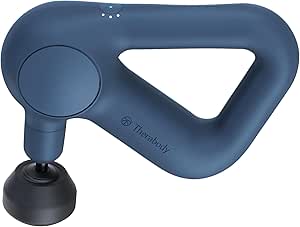
Therabody Theragun Relief Massage Gun, 3-Speed, Navy

Withings BeamO Contactless Smart Thermometer, ECG Monitor, and Digital Stethoscope
As an affiliate, we earn on qualifying purchases.
What the Headline Describes
Cochlear is associated with hearing technology, and fully implantable hearing systems are intended to place device components beneath the skin. That general description provides context for the topic; it does not verify the reported program milestone or establish which specific system, participants, or research activity the headline refers to.
The source material gives no dated sequence of events and names no earlier announcement. It also does not explain whether “patient experience” refers to accumulated time using a device, participation in a program, or another measure. Those details would be needed before the figure could be interpreted.
Milestone and Trigger Unverified
The central uncertainty is whether the program has in fact recorded one million hours of patient experience. The supplied trend signal alone does not confirm the claim. It is also unclear when interest began to rise, how it was measured, what baseline it is being compared with, and what event—if any—prompted it.
No named spokesperson, patient, researcher, regulator, or independent source is quoted. The available material does not establish a launch, trial update, approval, product release, or clinical finding. These developments should not be inferred from the headline.
Look for a Verifiable Program Update
The next useful development would be a dated statement or document from Cochlear or another identifiable source that explains the reported hour count, how it was calculated, and which patients or program activities it covers. Any account of the attention spike would also need a stated timeframe and comparison basis.
Until such information is available, the reported milestone and the reason for rising interest remain unconfirmed. Readers should treat the current item as a trend observation rather than a verified program announcement.
Key Questions
Has Cochlear confirmed the one-million-hour milestone?
The supplied material does not verify the figure or include a confirmation from the company.
What does “patient experience” mean in this headline?
The source does not define the measure, so it is unclear what time or activity the figure would count.
Why is the program receiving more attention?
The trigger is unconfirmed. No specific announcement or event is identified in the supplied material.
Does this report establish a new clinical result or product release?
No. The source provides no verified clinical result, regulatory update, or release information.
Source: rss