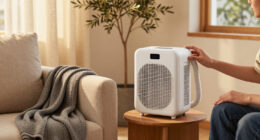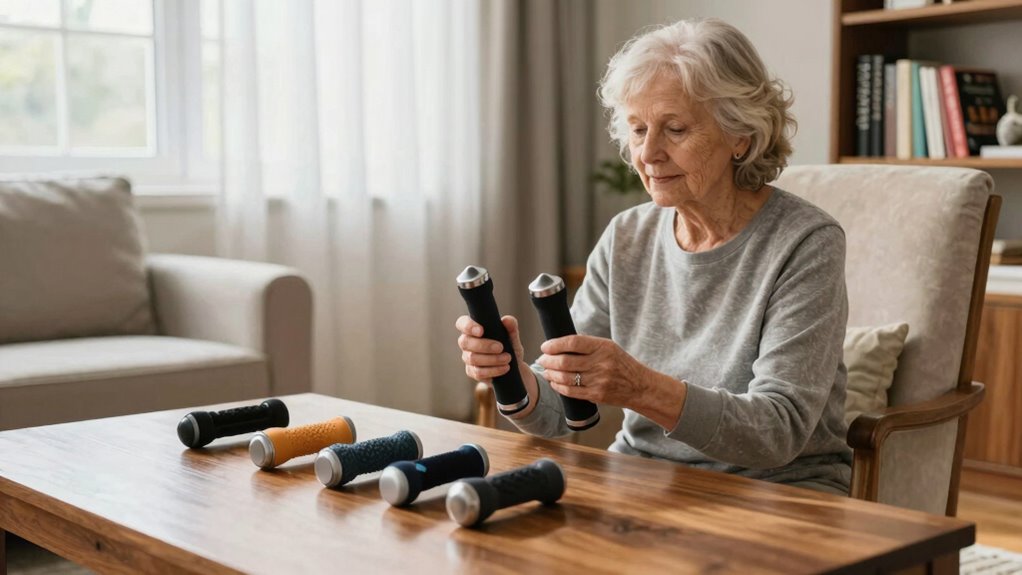

When choosing home recovery tools for seniors, focus on safety, usability, and fitting their specific needs. Look for devices with clear instructions and easy operation to boost confidence. Assess the home environment for hazards and choose equipment that integrates seamlessly. Prioritize safety features like fall detection or automatic shutoffs to prevent accidents. Carefully consider each tool’s purpose and compatibility with daily routines. To find out more, explore additional tips to create a safe, supportive recovery space.

Get health and wellness essentials delivered free — and shop member deals
- Fast, free delivery on millions of items
- Access to Prime Big Deal Days deals on October 6–7
- Prime Video, Amazon Music and more included
Key Takeaways
- Assess the senior’s current mobility, strength, and specific recovery needs to select appropriate assistive devices.
- Prioritize user-friendly and intuitive tools that integrate seamlessly into the existing home environment.
- Focus on safety features like fall detection, automatic shutoffs, and hazard alerts to reduce injury risk.
- Evaluate the compatibility of devices with daily routines and their ease of use for the senior.
- Ensure the tools support independence while addressing specific safety concerns in hazardous areas.
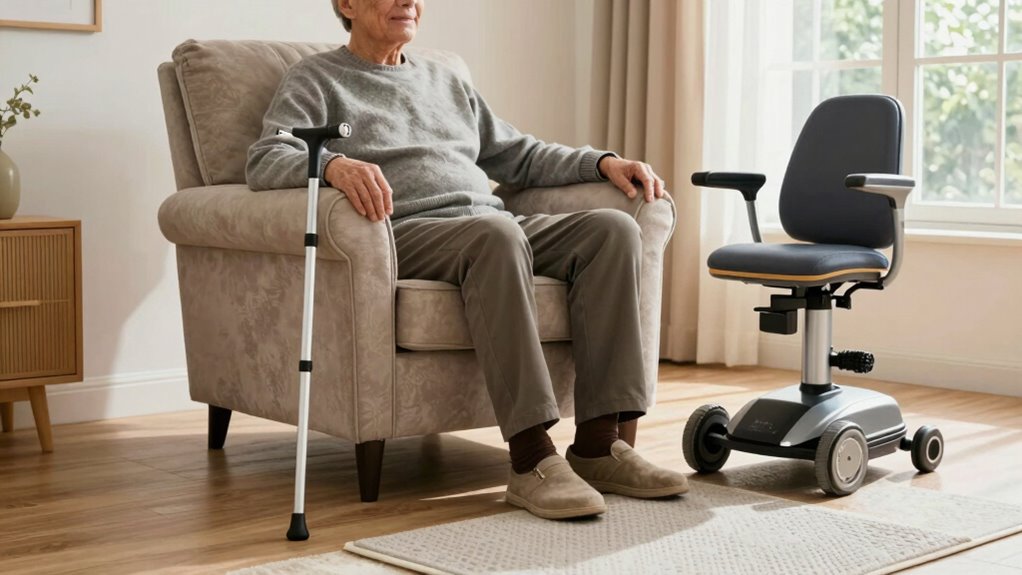
Recovering at home can be challenging for seniors, but the right tools make a significant difference. When you’re considering home recovery tools, it’s essential to focus on assistive technology and safety features that support independence while minimizing risks. Assistive technology includes devices and equipment designed to help you perform daily activities more easily, such as grab bars, stair lifts, or voice-activated controls. These tools can boost your confidence and reduce the likelihood of accidents, but it’s fundamental to select options tailored to your specific needs and mobility level.
Choosing tailored assistive technology and safety features is key to safe, confident home recovery.
Before purchasing any recovery tools, assess your home environment and your personal health condition. Think about your current mobility, strength, and balance, and consider how these factors might change during recovery. For example, if you’re recovering from surgery or injury that impacts your walking ability, safety features like non-slip mats, handrails, and raised toilet seats become essential. These elements help prevent falls and make everyday tasks safer, especially in potentially hazardous areas like bathrooms and stairs. Additionally, evaluating your home’s layout can help identify areas that may require modifications for safer access. Incorporating home safety assessments can provide a comprehensive understanding of necessary improvements.
It’s also important to evaluate the usability of assistive technology. Look for devices that are easy to operate, with clear instructions and minimal setup. If you’re not comfortable with complex gadgets, simpler solutions like lever-style door handles or emergency alert systems can be more effective. Think about whether the tools you choose are compatible with your existing home setup and whether they can be seamlessly integrated into your daily routine. The right assistive technology should feel intuitive and not add unnecessary complications during your recovery. Additionally, choosing user-friendly devices can significantly improve your confidence in managing your recovery independently.
Safety features are just as important as assistive technology. Many devices come with added safety measures, such as automatic shutoffs or alerts if a fall occurs. For instance, some wearable devices can detect falls and notify caregivers immediately, providing peace of mind for both you and your loved ones. When buying recovery tools, prioritize those with reliable safety features that align with your risk factors and recovery stage. Remember, smart home safety technology can also enhance your safety by monitoring your environment and alerting caregivers to potential hazards. Incorporating personal safety devices can further improve your overall protection and peace of mind during recovery. The goal is to create a safe environment that encourages healing and maintains your independence.
As an affiliate, we earn on qualifying purchases.
Frequently Asked Questions
Are Home Recovery Tools Covered by Medicare or Insurance?
Insurance coverage for home recovery tools varies depending on your plan and the specific equipment. Generally, Medicare may cover certain durable medical equipment if prescribed by a doctor, but coverage is limited. Always check your insurance policy for details on coverage and equipment warranties. You might need prior authorization, and some tools may not be fully covered, so confirm before purchasing to avoid unexpected costs.
How Do I Assess the Safety of Recovery Tools for Seniors?
Imagine a sturdy, non-slip handrail alongside a sleek, lightweight walker—visual contrasts that highlight safety. To assess recovery tools for seniors, look for safety features like sturdy grips, anti-slip surfaces, and stable bases. Guarantee ease of use by checking if controls are simple and intuitive. Test the tools yourself or have your loved one try them to see if they feel secure and comfortable, reducing fall risks and encouraging confidence during recovery.
What Is the Average Cost of Essential Home Recovery Tools?
The average cost of essential home recovery tools varies, but you can expect to spend between $50 and $300, depending on the item. Pricing variations depend on the brand, features, and quality. Prioritize equipment durability to guarantee long-term use, even if it costs a little more upfront. Investing in sturdy tools helps prevent replacements, saving you money and providing reliable support for your loved one’s recovery.
Can Recovery Tools Be Customized for Specific Health Conditions?
Yes, recovery tools can be customized for specific health conditions. You should look for devices with personalization options that cater to individual needs. Additionally, check device compatibility to guarantee the tools integrate well with existing medical equipment or assistive technologies. Customization helps make recovery safer and more effective, giving you peace of mind that the tools support your unique health requirements without becoming a one-size-fits-all solution.
How Often Should Home Recovery Tools Be Replaced or Maintained?
You should follow the manufacturer’s maintenance schedules and replacement frequency recommendations for your home recovery tools. Regularly inspect tools for wear or damage, and clean or service them as advised. Typically, you might replace items every few years or sooner if they show signs of deterioration. Maintaining a consistent maintenance routine ensures safety and effectiveness, reducing the risk of failure when your loved one needs them most.
As an affiliate, we earn on qualifying purchases.
Conclusion
Choosing the right home recovery tools for seniors is like planting a seed of hope—nurturing independence and safety. When you select tools thoughtfully, you’re not just investing in equipment; you’re cultivating a sanctuary where your loved ones can regain strength and confidence. Remember, each device is a symbol of your love and care, helping them stand tall again, even after life’s toughest storms. Your thoughtful choices can transform challenges into opportunities for resilience and renewal.
As an affiliate, we earn on qualifying purchases.
As an affiliate, we earn on qualifying purchases.
Fall Picks
fall essentials
As an affiliate, we earn on qualifying purchases.