
In caregiving, choosing self-compassion over self-criticism greatly boosts your emotional resilience and well-being. When you treat yourself with kindness and accept imperfections, you recover faster from setbacks and feel less overwhelmed. Self-criticism, on the other hand, drains your energy and increases stress, making challenges seem harder. Embracing self-compassion helps you maintain balance and prevent burnout. Keep exploring to discover simple ways to shift your mindset and foster your strength.
Key Takeaways
- Self-compassion encourages kindness, acceptance, and understanding toward oneself, fostering emotional resilience in caregiving.
- Self-criticism involves negative judgment and harsh self-evaluation, increasing stress and risking burnout.
- Practicing self-compassion helps caregivers recover quickly from setbacks and maintain well-being.
- Self-criticism diminishes mental health, fuels guilt, and hampers effective stress management.
- Shifting from self-criticism to self-compassion promotes a healthier mindset and sustainable caregiving practices.

Caregiving is a demanding role that often tests your emotional resilience. You’re constantly juggling responsibilities, managing your loved one’s needs, and steering your own feelings—all while trying to maintain a sense of balance. It’s easy to feel overwhelmed, exhausted, or even guilty when things don’t go as planned. That’s why fostering self-compassion is so vital; it helps strengthen your emotional resilience and supports burnout prevention. When you treat yourself with kindness instead of harsh judgment, you’re better equipped to handle stress and setbacks. Self-compassion acts as a buffer against the emotional toll of caregiving, allowing you to recover more quickly from difficult moments and maintain a healthier outlook. It encourages you to accept that imperfection is part of the process, reducing feelings of frustration and blame that often accompany self-criticism.
On the other hand, self-criticism can be a relentless drain on your mental health. When you constantly judge yourself for what you’re not doing perfectly or for feeling overwhelmed, you reinforce negative thoughts that drain your emotional energy. This mindset can lead to guilt, shame, and a sense of inadequacy, which only heighten your risk of burnout. Instead of motivating you, self-criticism often creates a vicious cycle where you feel worse and push yourself harder, compounding stress and fatigue. Over time, this pattern erodes your emotional resilience, making it harder to cope with ongoing caregiving challenges. Recognizing this pattern is the first step toward breaking free from it. By shifting your inner dialogue from criticism to compassion, you give yourself permission to be imperfect and to prioritize your well-being. This shift doesn’t mean neglecting responsibilities; it means acknowledging your limits and treating yourself with the same kindness you’d offer a friend in a similar situation.
Practicing self-compassion doesn’t require grand gestures—it can be as simple as pausing to breathe deeply, acknowledging your efforts, or speaking to yourself kindly during tough moments. These small acts help build resilience over time, enabling you to face daily stresses with greater ease. When you choose self-compassion over self-criticism, you’re actively fostering emotional resilience and taking steps toward burnout prevention. Remember, caregiving is a marathon, not a sprint. Nurturing a gentle, understanding attitude toward yourself ensures you stay resilient, grounded, and capable of providing the best care possible without sacrificing your own well-being. Incorporating color accuracy and understanding contrast ratios can further enhance your environment, making it more supportive for both you and your loved ones.

AUVKMUY Electric Patient Lift Transfer Chair - Folding Portable Handicap Lift for Home/Car/Bathroom,260LBS Capacity Upgrade Electric Transfer Lift for Seniors
Effortless Patient Transfer & Nursing Assistance:This electric patient lift transfer chair is designed to eliminate the physical strain...
As an affiliate, we earn on qualifying purchases.
Frequently Asked Questions
How Can Caregivers Cultivate Self-Compassion Daily?
To cultivate self-compassion daily, you can practice mindful self-care by setting aside moments for deep breathing or quiet reflection. Adopt a compassionate mindset by speaking kindly to yourself, especially during tough times. Remind yourself that caregiving is challenging, and it’s okay to make mistakes. Incorporate small acts of kindness toward yourself, like taking breaks or engaging in activities that restore your energy, helping you stay balanced and compassionate.
What Are Signs of Excessive Self-Criticism in Caregivers?
You might notice a storm of guilt-driven thoughts crashing over you, whispering you’re never enough. Perfectionist tendencies may make you obsess over every mistake, like a magnifying glass overheating your efforts. Signs of excessive self-criticism include constant self-blame, feeling overwhelmed by small errors, and a harsh inner voice that never silences. If you find yourself trapped in this cycle, it’s time to gently pause and nurture self-compassion.
How Does Self-Compassion Impact Caregiver Burnout?
Self-compassion boosts your emotional resilience and helps reduce stress, which are essential in preventing caregiver burnout. When you treat yourself with kindness and understanding, you’re better able to handle tough moments and avoid feeling overwhelmed. This compassionate approach encourages healthier coping strategies, keeps your spirits higher, and allows you to maintain your well-being. By practicing self-compassion regularly, you build resilience, making it easier to manage the emotional and physical demands of caregiving.
Can Self-Criticism Improve Caregiving Skills?
Self-criticism can sometimes sharpen your caregiving skills if it’s constructive and focused on improvement, boosting your confidence. However, overly harsh self-criticism often undermines your effectiveness and increases stress. To truly enhance your caregiving, balance critical reflection with self-compassion. Effective self-criticism, paired with kindness, helps you identify areas for growth without damaging your confidence or wellbeing. This balance fosters better caregiving skills and resilience.
What Strategies Help Balance Self-Compassion and Accountability?
To balance self-compassion and accountability, practice mindful reflection regularly. Acknowledge your feelings without judgment, which helps build emotional resilience. Set realistic goals and accept mistakes as learning opportunities instead of failures. By being kind to yourself while maintaining responsibility, you foster growth. Remember, emotional resilience strengthens your ability to stay compassionate during tough times, ensuring you remain accountable without falling into harsh self-criticism.

MINDMED Patient Lift Transfer Chair for Home, 440lbs Capacity,Equipped with a Hydraulic Lift Bar, Commode, and Dining Table,4 in 1 Shower Chair with 180° Split Seat, for Elderly Transfer to Bed/Toilet
【4 in 1 Patient Lift Transfer Chair】:Tired of frequent transfers of your loved one between bed, toilet, dining...
As an affiliate, we earn on qualifying purchases.
Conclusion
Remember, as you navigate caregiving, choosing self-compassion over self-criticism is like planting seeds of kindness in your soul’s garden. Just as the phoenix rises from ashes, embracing your imperfections fuels your strength. When you treat yourself with understanding, you nurture resilience and hope. Like the steady lighthous that guides ships home, self-compassion guides you through storms, reminding you that even in vulnerability, there’s power—and you’re never truly alone.
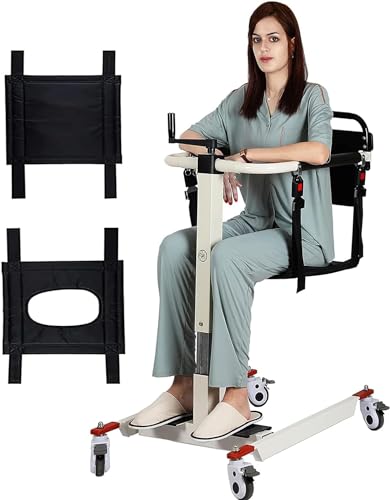
Patient Lift Transfer Chair, Transfer Lift Chair for Disabled, Portable Car Transfer Lift Bed to Wheelchair Transfer Devices, Transfer Chair for Elderly & Disabled (Width-Manual Button)
Sturdy Construction & Versatile Use- Built with a durable alloy steel frame, this patient lift transfer chair provides...
As an affiliate, we earn on qualifying purchases.

Drexo Patient Lift Transfer Chair, 5 in 1 Patient Lift Chair with 180°Split Seat, Height Adjustable Patient Transfer Chair with 4 Casters for Home Seniors Elderly, Load 450Lbs (Non-Fold, Silver)
Note: 1. Do not use if the gap between the bed or sofa is less than 5.1 inches...
As an affiliate, we earn on qualifying purchases.