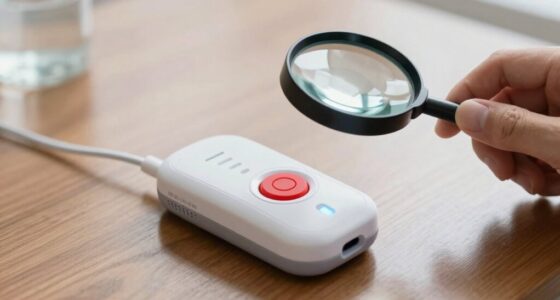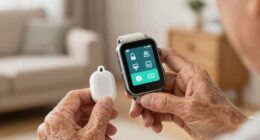
To effectively track changing care needs over time, you should use continuous monitoring systems that collect real-time data, combined with regular assessments and digital surveys. Incorporate emotional support to understand mental and social well-being, and utilize data visualization tools for quick insights. Training caregivers and using user-friendly technologies guarantee accurate interpretation. Staying proactive with these strategies helps deliver personalized care that adapts to evolving needs—discover more ways to optimize care as conditions change.
Key Takeaways
- Implement continuous monitoring with technological tools for real-time detection of evolving care needs.
- Conduct regular assessments and scheduled check-ins to identify changes promptly.
- Use data visualization tools to interpret trends and inform proactive care adjustments.
- Incorporate emotional support to understand mental health influences on care requirements.
- Train caregivers and individuals to effectively utilize data and adapt care strategies accordingly.

Assistive technology also offers the advantage of continuous monitoring, reducing reliance on periodic check-ins alone. This constant flow of information enables you to detect subtle changes before they escalate into more significant issues. When you combine this with emotional support, you’re creating a more holistic approach to care. Emotional support—whether through regular communication, counseling, or community engagement—helps the individual feel valued and understood, which can improve their overall well-being. By paying attention to emotional cues alongside physical data, you can better understand how mental health and mood influence care needs. For instance, increased feelings of loneliness or anxiety might signal the need for additional social activities or mental health resources, complementing physical interventions.
To effectively track changing needs, it’s vital to set up a structured system. Regular assessments, whether through scheduled check-ins or digital surveys, guarantee you stay aware of evolving circumstances. Keeping detailed records over time allows you to identify trends, anticipate future needs, and plan interventions proactively. It’s also helpful to involve the individual in this process, encouraging open communication about how they’re feeling both physically and emotionally. This approach fosters a sense of control and partnership, making care more personalized and responsive. Additionally, understanding projector technology and its features can help you choose the best tools for visualizing health data and supporting effective monitoring. Incorporating technology integration can further streamline the process, ensuring all data sources work together seamlessly. Utilizing data visualization tools can also enhance your ability to interpret complex health information quickly and accurately. Furthermore, integrating user-friendly interfaces ensures that both caregivers and recipients can easily engage with the data, promoting better understanding and collaboration.
Incorporating training and education for caregivers and individuals allows everyone involved to make the most of these tools and better interpret the data for improved care decisions. Ultimately, the most effective way to track changing care needs combines technological tools with compassionate emotional support. Technology provides objective data and continuous monitoring, while emotional support addresses the human side of care, guaranteeing the individual feels heard and cared for. By integrating these elements into your routine, you can adapt care strategies seamlessly, improving outcomes and maintaining dignity at every stage of the journey.

Bouncie GPS Tracker for Vehicles with Real-Time Location, Route History, Speed Monitoring, Geo-Fence & Accident Notifications – for Fleets & Family – Cancel Anytime
Real-Time GPS Tracker Device for Vehicles — Ideal for personal use or fleet management, this car GPS tracker…
As an affiliate, we earn on qualifying purchases.
As an affiliate, we earn on qualifying purchases.
Frequently Asked Questions
How Often Should Care Needs Be Reassessed?
You should re-evaluate care needs at least every six months or sooner if there are significant changes in health or daily routines. Regular updates help you adjust the care plan to guarantee emotional support and proper assistance. Keep an eye on any new challenges or improvements, and communicate openly with caregivers. Frequent re-evaluations ensure the care plan remains relevant, effective, and tailored to evolving needs for maximum well-being.
What Tools Are Best for Tracking Care Changes?
Using a modern care plan app or digital spreadsheet, you can effectively track care changes. These tools let you log updates, monitor trends, and keep all family members informed. Regularly updating the records ensures you catch shifts early, enabling timely adjustments. Combining these tools with consistent family communication creates an all-inclusive approach, helping you stay organized and responsive to evolving care needs. Remember, staying proactive is key.
Who Should Be Involved in Monitoring Care Needs?
You should involve caregivers, family members, and healthcare professionals in monitoring care needs. Caregiver collaboration guarantees consistent support, while open family communication keeps everyone updated on changes. By working together, you can identify shifts in care requirements early, adapt plans promptly, and provide the best support possible. Regular check-ins and shared updates foster teamwork, helping you manage evolving care needs effectively and compassionately for your loved one.
How Can Technology Improve Tracking Accuracy?
Imagine your care plan as a symphony, where each instrument must stay in tune. Technology enhances this harmony by improving tracking accuracy through data integration, ensuring all information is current and cohesive. You can use apps or digital tools to automatically collect and update care needs, reducing errors and gaps. This way, you stay in tune with changing needs, providing more personalized, responsive care over time.
What Signs Indicate Urgent Changes in Care Requirements?
You should watch for signs like sudden confusion, severe pain, or difficulty breathing, which indicate urgent care needs. Effective caregiver communication is crucial here, ensuring you notice and respond swiftly. Be prepared with emergency plans, and keep communication lines open with healthcare providers. Recognizing these signs early helps prevent complications, allowing timely intervention and better care management, especially during emergencies.

Health O Meter Digital Physician Scale with Height Rod 550 lbs / 250 kg Capacity
Body Mass Index (BMI), Hold/Release, Zero, KG/LB, Clear, and Enter Functions.
As an affiliate, we earn on qualifying purchases.
As an affiliate, we earn on qualifying purchases.
Conclusion
By regularly tracking your care needs, you stay ahead of changes and guarantee you get the right support when needed. Did you know that nearly 70% of seniors experience fluctuating care requirements over five years? Staying proactive with monitoring tools not only boosts your confidence but also helps loved ones provide better assistance. Keep an eye on those evolving needs, and you’ll create a safer, more comfortable environment for everyone involved.

OBD2 Scanner Bluetooth, Unique AI Solutions,Carbon Deposition,Code Reader for Check Engine Light, Battery Test & Performance Monitoring Live Data, Wireless Auto Scan, Works with iOS&Android DA200
Convenience and Savings for All Users:Designed with user-friendliness in mind, the DA200 OBD2 Scanner is perfect for both…
As an affiliate, we earn on qualifying purchases.
As an affiliate, we earn on qualifying purchases.
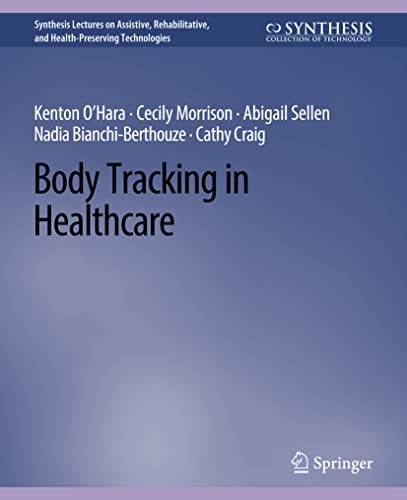
Body Tracking in Healthcare (Synthesis Lectures on Assistive, Rehabilitative, and Health-Preserving Technologies)
As an affiliate, we earn on qualifying purchases.
As an affiliate, we earn on qualifying purchases.