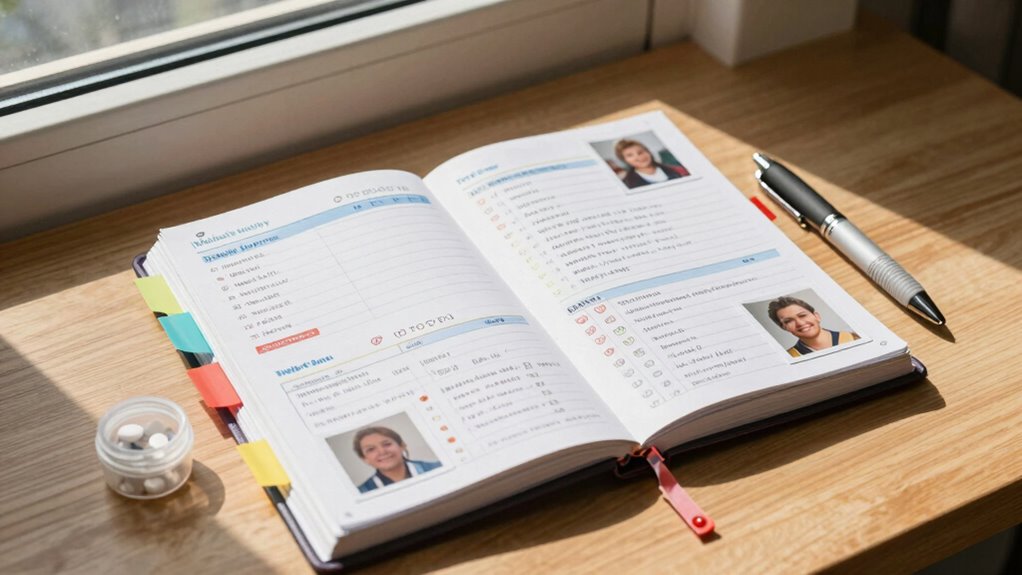

To start a care notebook for your medical and daily needs, choose a sturdy, accessible binder or notebook and dedicate sections for medication details, emergency contacts, medical history, and appointments. Update it regularly and include copies of prescriptions and test results. Keep contact info current and track medication schedules. Add notes for questions and safety tips. If you want to learn more about organizing your care notebook effectively, keep going to discover helpful tips and strategies.

Get health and wellness essentials delivered free with Prime
- Fast, free delivery on millions of items
- Prime Video, Amazon Music and more included
- Member-only deals all year
Key Takeaways
- Choose a durable, organized notebook or binder with labeled sections for easy access.
- Gather all relevant medical information, including medications, allergies, and healthcare contacts.
- Regularly update each section with new medical records, appointment details, and medication changes.
- Include emergency contacts, healthcare providers, and safety tips for quick reference during crises.
- Maintain a medication schedule, track refills, and store copies of prescriptions for comprehensive management.
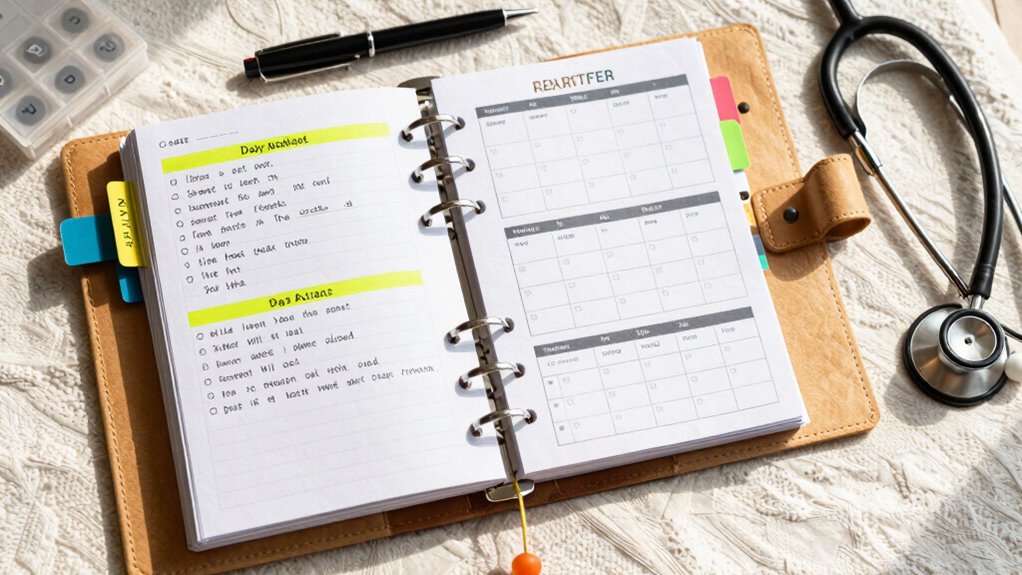
Creating a care notebook is a simple yet powerful way to organize your medical and daily needs, guaranteeing important information is always at your fingertips. When you keep everything in one place, you reduce the risk of missing critical details during emergencies or routine checkups. Start by dedicating a sturdy, easy-to-access notebook or binder that you can quickly grab when needed. The first step is to create a section focused on medication management. List all your current medications, including dosages, frequency, and the reason you’re taking each one. Be sure to include any over-the-counter drugs, supplements, and vitamins. Keep a copy of your prescription labels or pharmacy printouts if possible, so you have accurate information at all times. This section helps you stay on top of refills, avoid drug interactions, and communicate effectively with your healthcare providers.
Organize your health with a care notebook—keep medication details, emergency contacts, and medical history all in one accessible place.
Next, include an emergency contact list that’s prominently displayed. Write down the names, phone numbers, and relationships of people you trust, such as family members, close friends, or neighbors. Also, include your primary care physician, specialists, and any relevant healthcare facilities. In emergencies, quick access to these contacts can be lifesaving. Consider adding backup contacts in case your primary emergency contacts are unavailable. Keep this list updated regularly, especially if you change phone numbers or relationships.
Beyond medication and emergency contacts, your care notebook should have sections for your medical history, allergies, and current treatments. Record past surgeries, chronic conditions, and any ongoing therapies. Include details about allergies to medications, foods, or environmental factors, so you’re prepared for any situation. Also, document your healthcare providers’ names, office addresses, and appointment schedules. Having this info organized prevents missed appointments and ensures seamless communication between different providers. Incorporating information about contrast ratio can also help you understand how your home environment impacts your visual clarity and comfort when reviewing your medical documents. Additionally, understanding psychological factors can be beneficial in managing your overall health and well-being. Furthermore, maintaining a list of your medical supplies and their expiration dates can prevent shortages or the use of expired items, ensuring safety and readiness. Keeping a comprehensive health record can help you track your progress over time and facilitate better decision-making. Including tips on home safety can further enhance your preparedness and reduce potential hazards.
Additional sections might cover insurance details, a list of recent test results, and a daily or weekly medication schedule. You can also include a small section for notes or questions to ask your doctor during visits. Keep your care notebook updated regularly, especially after appointments or changes in your health routine. This way, you’ll have a reliable resource that simplifies managing your health and daily needs. The more organized you are, the less stressful it becomes to handle medical matters, and you’ll always feel prepared for whatever comes your way.
As an affiliate, we earn on qualifying purchases.
Frequently Asked Questions
How Often Should I Update My Care Notebook?
You should update your care notebook regularly, ideally once a month, or whenever there’s a change in medication schedules or emergency contacts. Keep it current by reviewing and adjusting information as needed, especially after doctor visits or medication changes. This way, your caregivers and family always have accurate details, ensuring smooth communication during emergencies and daily routines. Regular updates help keep your care organized and effective.
What Are Essential Sections to Include?
You’ll want essential sections like emergency contacts and a medication list, because who doesn’t love hunting through clutter during a crisis? Include your doctor’s info, allergies, and daily routines. Think of it as your personal superhero toolkit—organized, ready, and always at your fingertips. With these sections, you’ll navigate emergencies smoothly and keep your daily needs under control, instead of franticly flipping through endless papers.
Can I Use Digital Tools Instead of Paper?
Yes, you can definitely use digital alternatives instead of paper. Digital tools offer easy access, quick updates, and backup options, making them a practical choice. When comparing paper vs. digital, consider your convenience and security needs. Digital notebooks can be password-protected and stored in the cloud, reducing the risk of losing important information. Just make certain your device is reliable and you regularly back up your data for peace of mind.
How Do I Share My Care Notebook Securely?
Sharing your care notebook securely is like locking a treasure chest. You should use strong encryption methods to protect sensitive information and implement access control, so only trusted individuals can view it. Consider sharing via secure platforms with password protection or encrypted files. Regularly update permissions and monitor who has access. This way, you keep your valuable health and daily info safe, even when it’s out of your hands.
What if I Forget to Update Important Info?
If you forget to update important info, set memory triggers like calendar alerts or phone reminders to prompt regular updates. Make it a habit to review and refresh your care notebook weekly, so details stay current. Keep a checklist of key information, and mark it off each time you update. This way, you stay organized, and critical info remains accurate, reducing the risk of overlooking essential details.
As an affiliate, we earn on qualifying purchases.
Conclusion
Now that you’ve organized your care notebook, you’re well on your way to streamlined support and smarter solutions. Keep it current, clear, and consistent, and you’ll confidently conquer daily challenges with ease. Remember, a well-written, well-watched notebook nurtures your needs and nurtures peace of mind. So, stay steady, simplify smoothly, and let your care notebook be your dependable, detailed daily diary for health and happiness.
As an affiliate, we earn on qualifying purchases.
As an affiliate, we earn on qualifying purchases.
Cold & flu season Picks
humidifiers
As an affiliate, we earn on qualifying purchases.