

As a caregiver, your role combines emotional support and practical tasks to promote well-being and independence. You offer reassurance, listen with patience, and create a safe space for feelings. Managing routines like meals, medication, and hygiene helps bring stability and dignity. Being flexible and understanding during daily activities shows you care deeply. If you want to discover more about how these responsibilities create trust and foster genuine connection, keep exploring these essential aspects.

Get health and wellness essentials delivered free — and shop member deals
- Fast, free delivery on millions of items
- Access to Prime Big Deal Days deals on October 6–7
- Prime Video, Amazon Music and more included
Key Takeaways
- Provides emotional support by offering reassurance, active listening, and creating a safe environment for expressing feelings.
- Manages daily routines like meals, medication, and hygiene to ensure stability and promote well-being.
- Balances practical tasks with patience and flexibility to meet changing needs and respect individual preferences.
- Acts as a emotional pillar, reducing loneliness and fostering trust through empathy and genuine care.
- Demonstrates compassion, resilience, and respect, forming a relationship built on support and understanding.
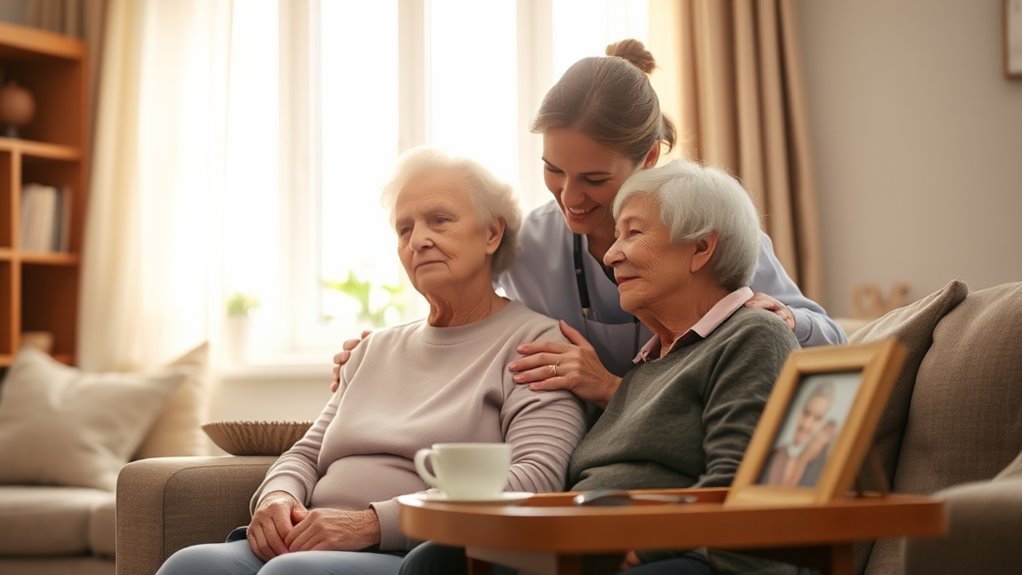
Have you ever wondered what it truly means to be a caregiver? At its core, being a caregiver involves more than just performing tasks; it’s about providing consistent emotional support and ensuring that daily routines run smoothly. When you step into this role, you become an essential part of someone’s life, offering stability and compassion during often challenging times. Your presence alone can be a source of comfort, helping your loved one feel secure and understood. This emotional support might not always come with words; sometimes, simply listening or sitting beside them can make a significant difference. You help create an environment where they feel safe to express their feelings and fears without judgment. That emotional connection is what sustains both of you through tough days. Incorporating routine management strategies can further enhance their sense of stability and independence.
Being a caregiver means offering emotional stability and creating a safe space for your loved one.
Managing daily routines is another fundamental aspect of caregiving. It involves organizing and maintaining consistent schedules for meals, medication, hygiene, and other crucial activities. These routines provide a sense of normalcy and predictability, which can be incredibly reassuring for someone relying on your care. You might find yourself preparing meals tailored to specific dietary needs or reminding them to take their medications on time. It’s about blending practical tasks with patience and understanding, recognizing that routines might need adjustments based on their changing condition. You’re responsible for creating a structured environment that promotes independence while offering support when needed. This balance can be delicate but is essential for maintaining their dignity and well-being.
As a caregiver, your role extends beyond just physical tasks. You serve as a pillar of emotional stability, often sensing unspoken worries or frustrations. Your ability to provide empathetic listening can help alleviate feelings of loneliness or helplessness your loved one might experience. Supporting their emotional health often means being attentive to their moods and offering reassurance, even when words aren’t necessary. Simultaneously, managing daily routines requires organization, patience, and flexibility. It’s about adapting to their evolving needs while ensuring they feel valued and cared for. Your dedication transforms everyday activities into meaningful acts of love and support, reinforcing their sense of security and comfort.
In essence, being a caregiver means being present—emotionally and practically. It’s a role that demands compassion, patience, and resilience. When you understand the importance of emotional support and maintaining daily routines, you realize that your efforts go far beyond simple tasks. They shape a foundation of trust and reassurance, making a profound difference in someone’s life. Your commitment becomes a quiet strength that sustains both of you, fostering a relationship built on care, respect, and genuine connection.
As an affiliate, we earn on qualifying purchases.
Frequently Asked Questions
How Do Caregivers Manage Their Own Emotional Health?
You build emotional resilience by regularly practicing self-care routines like taking breaks, exercising, and seeking support. It’s true that caring for others can be draining, but maintaining your mental health keeps you effective. Prioritize your well-being, acknowledge your feelings, and set boundaries. When you actively manage your emotional health, you stay strong, balanced, and better equipped to handle caregiving challenges without burnout.
What Legal Rights Do Caregivers Have?
As a caregiver, you have legal rights and protections that safeguard your well-being. These include the right to reasonable work hours, breaks, and a safe work environment. You’re also protected from discrimination and harassment under laws like the ADA and FMLA. It’s important to be aware of your caregiver rights so you can advocate for yourself and ensure your needs are met while providing essential support to your loved ones.
How Can Caregivers Access Financial Assistance?
You can access financial assistance through various programs designed for caregivers. While managing daily tasks and emotional support, you might also explore assistance programs like Medicaid, Medicare, or state-specific grants. These financial resources help ease the burden, allowing you to focus more on caregiving. Don’t hesitate to reach out to local agencies or online resources to find the right assistance programs tailored to your needs, making your caregiving journey more manageable.
What Training Is Available for New Caregivers?
You can access various training programs designed for new caregivers, often offered by healthcare organizations, community colleges, or online platforms. These programs typically include caregiver certification courses that cover essential skills like patient care, safety, and communication. Enrolling in a caregiver certification program helps you gain the necessary knowledge and credentials, setting a solid foundation for your caregiving career. Look for programs that fit your schedule and budget to start your training today.
How Do Caregivers Handle Emergencies Effectively?
Think of handling emergencies as steering a ship through stormy seas. You rely on your crisis management skills and clear communication to stay afloat. When an emergency occurs, stay calm, assess the situation quickly, and alert the necessary help. Use your communication skills to keep the affected person reassured and informed. Staying prepared and responsive allows you to navigate emergencies effectively, ensuring safety for everyone involved.
adaptive eating utensils for seniors
As an affiliate, we earn on qualifying purchases.
As an affiliate, we earn on qualifying purchases.
Conclusion
As a caregiver, your support makes a real difference. Remember, nearly 1 in 5 adults in the U.S. provides unpaid care to a loved one, highlighting how essential your role is. Your compassion and dedication help improve lives and foster hope. Keep in mind that even small acts of kindness can have a lasting impact. Embrace your important role, knowing your efforts truly matter and are deeply appreciated.
hygiene assistive devices for elderly
As an affiliate, we earn on qualifying purchases.
As an affiliate, we earn on qualifying purchases.
emotional support comfort items for caregivers
As an affiliate, we earn on qualifying purchases.
As an affiliate, we earn on qualifying purchases.
Fall Picks
fall essentials
As an affiliate, we earn on qualifying purchases.