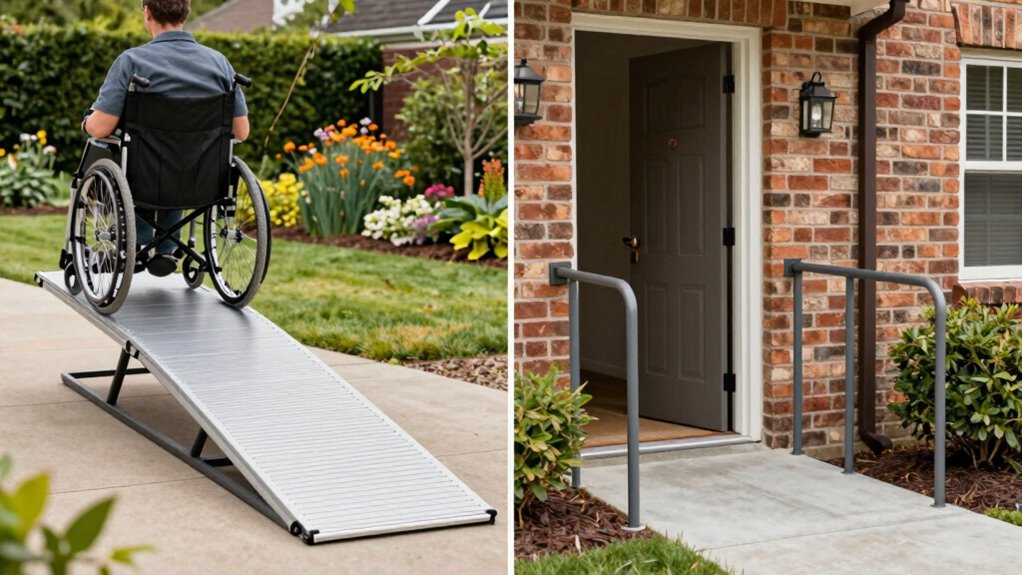

Choosing between portable and permanent home accessibility upgrades depends on your needs. Portable solutions offer flexibility, lower upfront costs, and ease of adjustment, making them ideal for temporary or uncertain situations. Meanwhile, permanent modifications provide durability, safety, and long-term value, but require more investment and planning. Your decision should consider your future plans, budget, and preferences for stability. To understand which option suits you best, consider the benefits and drawbacks of each as you explore further.

Get health and wellness essentials delivered free with Prime
- Fast, free delivery on millions of items
- Prime Video, Amazon Music and more included
- Member-only deals all year
Key Takeaways
- Portable upgrades offer flexibility and easy reconfiguration but may incur higher long-term replacement costs.
- Permanent modifications provide durability, safety, and increased home value but require higher initial investment and professional installation.
- Portable solutions are ideal for temporary or uncertain needs, while permanent options suit long-term accessibility improvements.
- Design and environmental considerations influence the effectiveness and aesthetics of both portable and permanent upgrades.
- The choice depends on budget, permanence preference, future plans, and the desire to incorporate smart home features.
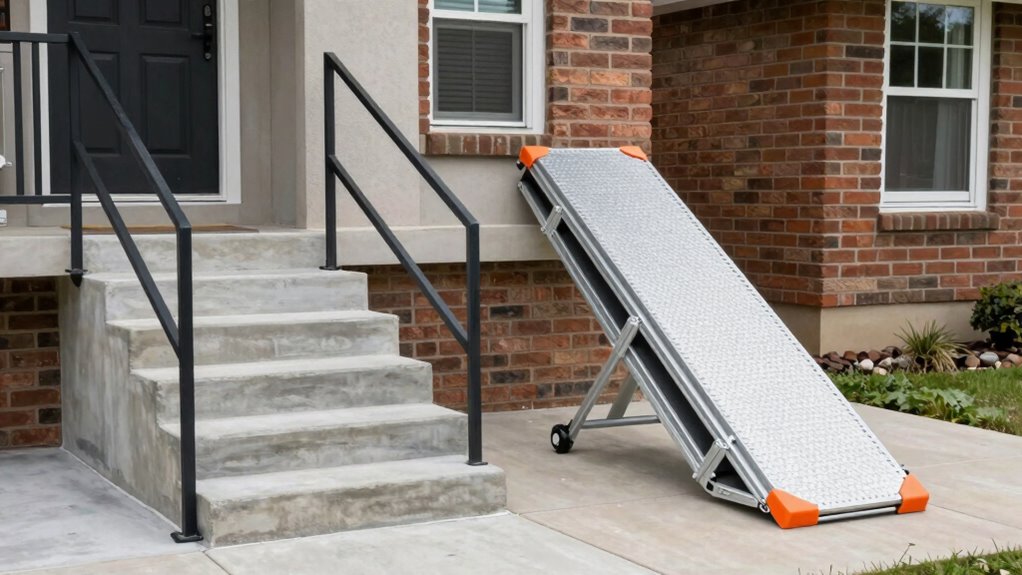
When considering home accessibility upgrades, you might wonder whether to choose portable solutions or permanent modifications. Both options have their advantages and drawbacks, so it’s important to evaluate your specific needs, lifestyle, and budget before making a decision. Portable upgrades, such as temporary ramps, removable grab bars, or wireless smart home devices, offer flexibility. They can be easily moved or adjusted as your needs change, making them ideal if you’re not yet certain about long-term requirements or if you’re renting. With portable options, you can test different solutions without a significant upfront investment. Additionally, portable modifications can be a practical choice for those seeking natural integration with their existing home layout, allowing for seamless adaptation.
Cost comparison is a major factor in this decision. Generally, portable upgrades tend to be less expensive initially because they don’t require extensive construction or permanent alterations. For example, installing a portable ramp or using smart home integration devices like voice-controlled lights or thermostats can be affordable and quick to implement. However, over time, frequent replacements or adjustments might add up, potentially making them more costly in the long run. Permanent modifications, on the other hand, often involve higher upfront expenses. Installing custom ramps, widened doorways, or accessible bathrooms requires professional work and permits, which can be costly. But these investments usually pay off in durability, safety, and long-term convenience. Understanding the benefits of smart home technology can help you determine the best options for your lifestyle and future needs.
Portable upgrades are cheaper upfront but may incur higher long-term costs, while permanent modifications require higher initial investment but offer lasting safety and durability.
Furthermore, considering home design principles such as door swings and stair proportions can enhance both safety and aesthetic appeal when planning permanent modifications. Additionally, selecting the right home theatre projector can influence the overall ambiance and functionality of your living space, making it more enjoyable and accessible. Incorporating sustainable building practices into your renovation can also contribute to long-term savings and environmental impact reduction. Ultimately, your choice depends on factors like your long-term plans, budget, and the level of permanence you desire. Portable upgrades are flexible and budget-friendly upfront, ideal if you’re uncertain about future needs or want temporary solutions. Permanent modifications, though more costly initially, provide a stable, integrated, and often more durable solution that can add value to your home. Whichever option you choose, considering how smart home integration can enhance safety and convenience is key to creating a more accessible living environment tailored to your needs.
As an affiliate, we earn on qualifying purchases.
Frequently Asked Questions
How Do Costs Compare Over the Long Term for Portable and Permanent Upgrades?
Over the long term, portable upgrades tend to have lower initial costs but can lead to higher variability in expenses due to frequent replacements or adjustments, especially if maintenance is neglected. Permanent upgrades usually involve higher upfront costs but often require less ongoing maintenance, making their costs more predictable. You should consider maintenance requirements and potential cost variability when choosing between portable and permanent solutions for long-term affordability.
Are Portable Upgrades Suitable for All Types of Disabilities?
Portable upgrades can work well for many disabilities, especially as temporary solutions, but they might not suit all types. If you need a permanent, seamless fix, they may fall short. Aesthetic considerations matter too—some portable options might not blend with your home’s look. For long-term comfort and style, permanent upgrades often provide a more integrated, durable solution, though portable options offer flexibility and quick deployment when needed.
Can Portable Accessibility Modifications Be Integrated Into Permanent Home Designs?
You can absolutely integrate portable accessibility modifications into permanent home designs, like fitting a flexible puzzle piece into a larger picture. While temporary solutions might seem like a patchwork, they can be seamlessly incorporated without sacrificing aesthetic impact. This blending allows for a cohesive look that adapts to your needs, ensuring that mobility aids and other modifications become part of your home’s natural flow rather than an afterthought.
What Are the Legal or Code Considerations for Portable Vs Permanent Upgrades?
You should know that building codes and zoning regulations often have specific rules for permanent upgrades, requiring permits and adherence to safety standards. Portable modifications usually face fewer restrictions but still need to meet basic safety guidelines. Always check local codes before installing any accessibility feature, whether portable or permanent, to guarantee compliance. Ignoring these regulations can lead to fines or safety issues, so it’s best to consult with local authorities beforehand.
How Easy Is It to Transfer Portable Upgrades to a New Residence?
Transferring portable upgrades to a new residence is usually quite straightforward, making them an excellent temporary solution. You can typically move items like ramps or grab bars without much hassle, though they might have some aesthetic impact during transport or installation. Keep in mind, some portable solutions may require adjustments at the new location, but overall, they offer flexibility and ease compared to permanent modifications.
removable grab bars for bathroom
As an affiliate, we earn on qualifying purchases.
As an affiliate, we earn on qualifying purchases.
Conclusion
When deciding between portable and permanent home accessibility upgrades, consider your current needs and future plans. Portable solutions offer flexibility and easy adjustments, perfect if your situation might change. Permanent upgrades, on the other hand, provide lasting stability and value. Ultimately, which option aligns best with your lifestyle and long-term goals? Remember, investing in accessibility isn’t just about today—it’s about creating a safe, inclusive environment for whatever tomorrow brings. Are you ready to make that lasting change?
smart home voice control devices
As an affiliate, we earn on qualifying purchases.
As an affiliate, we earn on qualifying purchases.
permanent home accessibility modifications
As an affiliate, we earn on qualifying purchases.
As an affiliate, we earn on qualifying purchases.
Fall Picks
fall essentials
As an affiliate, we earn on qualifying purchases.