
As a first-time family caregiver, you often focus solely on physical tasks while neglecting your emotional well-being, which can cause overwhelm and burnout. You might also try to do everything alone, ignoring the importance of planning, routines, and self-care. Many caregivers underestimate how emotional resilience and effective time management impact their caregiving quality. Keep exploring, and you’ll discover practical strategies to balance your caregiving duties with your own needs for better support and well-being.
Key Takeaways
- Underestimating emotional resilience needs and neglecting emotional self-care.
- Lacking awareness of emotional challenges, leading to burnout and decreased patience.
- Poor time management and reacting impulsively instead of planning and prioritizing tasks.
- Failing to establish routines and implement effective planning for daily caregiving.
- Neglecting personal boundaries and self-care, resulting in exhaustion and decreased caregiving quality.

Starting as a family caregiver for a loved one can be overwhelming, especially if it’s your first time taking on this role. Many new caregivers immerse themselves with good intentions but quickly find themselves stretched thin, often making mistakes that can be avoided with some awareness and planning. One common pitfall is underestimating the importance of emotional resilience. It’s easy to focus solely on the physical tasks—medication schedules, appointments, daily chores—and overlook how emotionally draining caregiving can be. Without building emotional resilience, you might find yourself feeling overwhelmed, anxious, or even resentful. This emotional toll can cloud your judgment and make it harder to stay patient and compassionate. Recognizing that caregiving is as much a mental challenge as a physical one is essential. Developing emotional resilience doesn’t mean suppressing feelings but learning how to manage them effectively. Taking time for self-care and seeking support from friends, family, or caregiver groups helps you stay emotionally balanced and better equipped to handle the ups and downs. emotional resilience is a key component that can help you stay resilient through challenging moments.
Another mistake many first-time caregivers make is poor time management. When you’re new to the role, it’s tempting to try to do everything yourself—fetching medications, preparing meals, managing appointments—without a clear plan. This often leads to burnout and makes it difficult to prioritize what truly needs your attention. You might find yourself overwhelmed because you’re constantly reacting to crises instead of planning ahead. Effective time management involves setting realistic goals, establishing routines, and knowing when to ask for help. Creating a schedule that includes time for rest, self-care, and even breaks can boost your efficiency and prevent exhaustion. Remember, you’re not a superhero; taking care of your own needs is fundamental to being an effective caregiver. Learning to delegate tasks when possible and setting boundaries also helps you stay organized and maintain a sense of control.

Mind Brain Emotion 52 Essential Coping Skills Cards – Self Care Exercises for Stress and Social Anxiety Relief – Resilience, Emotional Agility, Confidence Therapy Games for Teens, Adults
Build skills, reduce stress: Powerful CBT, meditation, and somatic exercises to become organized, focused, confident. Overcome anxiety, anger,…
As an affiliate, we earn on qualifying purchases.
As an affiliate, we earn on qualifying purchases.
Frequently Asked Questions
How Do I Handle Unexpected Medical Emergencies at Home?
When handling unexpected medical emergencies at home, stay calm and act quickly. Make certain medication management is organized, with all medications clearly labeled and accessible. Keep a well-stocked emergency kit and have emergency contacts ready. Practice emergency preparedness by creating a plan for different scenarios and reviewing it regularly. If unsure, don’t hesitate to call emergency services, and always follow their guidance to ensure safety and proper care.
What Are the Best Ways to Communicate With the Patient?
Research shows active listening and empathetic communication markedly improve understanding between caregivers and patients. You should focus on maintaining eye contact, nodding to show engagement, and paraphrasing what the patient says to confirm understanding. Avoid interrupting, and ask open-ended questions to encourage sharing. When you communicate with empathy, you’re validating their feelings, building trust, and creating a supportive environment where they feel heard and cared for.
How Can I Manage My Own Stress and Burnout?
To manage your stress and burnout, prioritize self-care strategies like taking breaks, staying active, and practicing mindfulness. Don’t hesitate to lean on your support network—friends, family, or caregiver groups—when things get overwhelming. Remember, caring for yourself isn’t selfish; it’s essential. Set boundaries, ask for help, and give yourself grace. By maintaining your well-being, you’ll be better equipped to support your loved one effectively.
What Legal Documents Should I Prepare for Caregiving?
You should prepare essential legal documentation, including advance directives, to guarantee your loved one’s wishes are respected. These documents guide healthcare decisions when they’re unable to speak for themselves, preventing uncertainties. Besides advance directives, consider durable power of attorney and a living will. Having these in place provides peace of mind, making sure you’re equipped to handle medical choices confidently, while honoring your family member’s preferences with clarity and compassion.
How Do I Balance Caregiving With Other Family Responsibilities?
To balance caregiving with other responsibilities, prioritize your tasks through effective time management and set clear boundaries. Schedule specific times for caregiving and personal activities, and communicate these boundaries to your family. Don’t hesitate to ask for help or delegate tasks when needed. Remember, maintaining your well-being is essential, so make time for self-care and guarantee you’re not overwhelmed. This balance helps you stay effective and prevent burnout.

Caregiver Daily Planner: A Guided Companion for Organization, Record-Keeping, and Self-Care
As an affiliate, we earn on qualifying purchases.
As an affiliate, we earn on qualifying purchases.
Conclusion
Remember, you’re not alone in this journey. While mistakes may seem inevitable, they’re simply stepping stones toward becoming a confident caregiver. Like a river carving its path through stone, your patience and resilience shape your caregiving story. Embrace each challenge with compassion and an open heart, knowing that every effort you make is a proof of your strength. Trust in yourself—you’re more capable than you think, and brighter days are ahead.
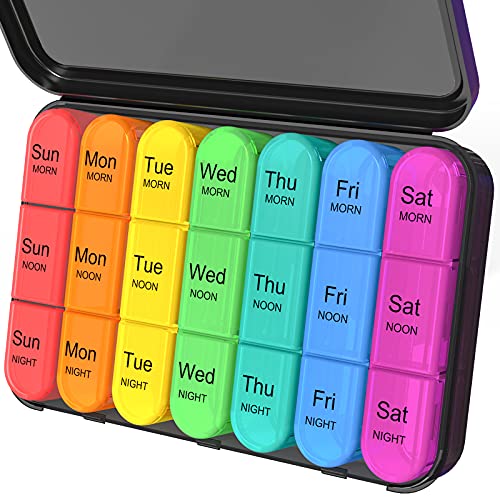
Daviky Pill Organizer 3 Times a Day, Daily Pill Box 7 Day, Weekly Cases Medicine Organizers to Hold Vitamins and Medication
Carry More but Portable – Overall 8''x 5''x 1.4'' and 4.8" x 1.2" x 1'' for each compartment,…
As an affiliate, we earn on qualifying purchases.
As an affiliate, we earn on qualifying purchases.

First Aid Only 91248 OSHA-Compliant First Aid Kit, All-Purpose 50-Person Emergency First Aid Kit for Business, Worksite, Home, and Car, 260 Pieces
OSHA-Compliant Emergency Kit: Includes supplies including bandages, gauze, butterfly closures, burn cream packets, antibiotic ointment, BZK antiseptic towelettes,…
As an affiliate, we earn on qualifying purchases.
As an affiliate, we earn on qualifying purchases.