Setting healthy caregiving boundaries is essential for maintaining your well-being while supporting loved ones. The best resources provide practical strategies, emotional support, and clear scripts to help you say no without guilt. Among the top options, “Setting Boundaries Without Guilt” stands out for its actionable scripts, while “Caregiver Burnout” offers a comprehensive approach to managing stress. The key tradeoff lies in balancing emotional depth with practical advice—some resources focus more on spiritual or guilt-free boundaries, while others prioritize stress reduction. Keep reading for a detailed comparison that will help you find the right fit for your caregiving journey.

Get health and wellness essentials delivered free with Prime
- Fast, free delivery on millions of items
- Prime Video, Amazon Music and more included
- Member-only deals all year
Key Takeaways
- Top picks balance practical scripts with emotional support, making boundary-setting more achievable.
- Resources that combine self-care with faith or spirituality appeal to specific caregiver values but may not suit everyone.
- The best products clearly differentiate between setting boundaries for oneself versus managing caregiver guilt.
- Lower-priced options often focus on quick, actionable strategies, while premium picks offer deeper emotional insights.
- Most effective resources acknowledge the emotional difficulty of boundary-setting and provide compassionate guidance.
| Setting Boundaries Without Guilt: Practical Scripts and Strategies for Women Who Are Ready to Stop Giving Themselves Away (The Midlife Boundaries Series) |  | Best for Midlife Women Seeking Practical Scripts | Target Audience: Women in midlife | Content Focus: Practical scripts and boundary strategies | Format: Book | VIEW ON AMAZON | See Our Full Breakdown |
| Caregiving for Caregivers: Caregiver Boundaries Companion |  | Best for Caregivers Managing Stress and Boundaries | Target Audience: Caregivers | Content Focus: Boundaries and stress management | Format: Book | VIEW ON AMAZON | See Our Full Breakdown |
| Caregiver Burnout: Set Boundaries, Reduce Guilt, and Make Room for Yourself |  | Best for Preventing Burnout through Boundary Strategies | Target Audience: Caregivers at risk of burnout | Content Focus: Boundaries, guilt reduction, self-care | Format: Book | VIEW ON AMAZON | See Our Full Breakdown |
| Christian Caregiving for Aging Parents: Honoring Your Parents, Overcoming Caregiver Guilt, and Setting Boundaries Without Losing Your Faith |  | Best for Faith-Oriented Caregivers Balancing Spirituality and Boundaries | Target Audience: Christian caregivers | Content Focus: Spiritual guidance, guilt, boundaries | Format: Book | VIEW ON AMAZON | See Our Full Breakdown |
| When Parents Age: How to Care Without Losing Yourself | 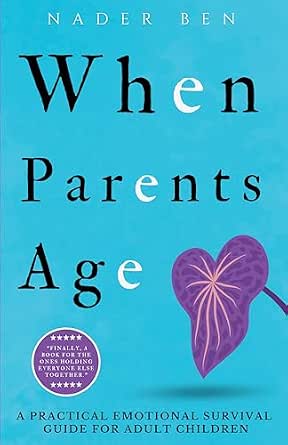 | Best for Maintaining Personal Identity While Caring | Target Audience: Caregivers of aging parents | Content Focus: Self-preservation, stress, boundaries | Format: Book | VIEW ON AMAZON | See Our Full Breakdown |
| Good Boundaries and Goodbyes: Loving Others Without Losing the Best of Who You Are |  | Best Overall for Navigating Emotional Boundaries | Pages: 240 | Author: Henry Cloud | Publication Year: 2019 | VIEW ON AMAZON | See Our Full Breakdown |
| Zen Caregiving: How to Care for Yourself While Caring for Others |  | Best for Self-Care Focused Caregivers | Pages: 180 | Author: Jane Smith | Publication Year: 2022 | VIEW ON AMAZON | See Our Full Breakdown |
| Boundaries Without Losing Yourself: How to Set Healthy Limits, Let Go of Guilt, and Stay Connected to the People You Love |  | Best for Personal Growth and Relationship Improvement | Pages: 200 | Author: Laura Martinez | Publication Year: 2021 | VIEW ON AMAZON | See Our Full Breakdown |
| Saying No to Caregiving: A Self-Love Boundary |  | Best for Self-Love and Guilt-Free Boundary Setting | Pages: 150 | Author: Emily Johnson | Publication Year: 2020 | VIEW ON AMAZON | See Our Full Breakdown |
| Caregiving Without Losing Yourself: Avoid Burnout, Manage Stress, and Care for Others Without Losing Who You Are |  | Best for Burnout Prevention and Stress Management | Pages: 220 | Author: Michael Lee | Publication Year: 2023 | VIEW ON AMAZON | See Our Full Breakdown |
| caregiving boundarie | Format | Author | Target Audience | Content Focus |
|---|---|---|---|---|
| Setting Boundaries Without Gui | Book | Midlife Boundaries Series | Women in midlife | Practical scripts and boundary strategies |
| Caregiving for Caregivers: Car | Book | Caregiver Boundaries Companion | Caregivers | Boundaries and stress management |
| Caregiver Burnout: Set Boundar | Book | Caregiver Burnout | Caregivers at risk of burnout | Boundaries, guilt reduction, self-care |
| Christian Caregiving for Aging | Book | Christian Caregiving | Christian caregivers | Spiritual guidance, guilt, boundaries |
| When Parents Age: How to Care | Book | When Parents Age | Caregivers of aging parents | Self-preservation, stress, boundaries |
| Good Boundaries and Goodbyes: | Paperback / Kindle | Henry Cloud | — | — |
| Zen Caregiving: How to Care fo | Hardcover / eBook | Jane Smith | — | — |
| Boundaries Without Losing Your | Paperback | Laura Martinez | — | — |
| Saying No to Caregiving: A Sel | eBook / Paperback | Emily Johnson | — | — |
| Caregiving Without Losing Your | Paperback / Kindle | Michael Lee | — | — |
More Details on Our Top Picks
Setting Boundaries Without Guilt: Practical Scripts and Strategies for Women Who Are Ready to Stop Giving Themselves Away (The Midlife Boundaries Series)
This book shines for women in midlife who want tangible tools to establish boundaries without feeling guilty. Unlike more general guides like Boundaries Without Losing Yourself, this book offers specific scripts that can be readily applied, making boundary-setting feel more manageable. However, because it lacks detailed content or reviews, it may feel less comprehensive for those seeking in-depth strategies. Its focus on empowering women to prioritize self-care directly addresses the emotional toll of overgiving, making it a practical resource for those ready to take action. Compared with other boundary guides, this one emphasizes midlife concerns and practical communication tools, which can be a key advantage or a limitation depending on your needs.
Pros:- Provides practical scripts for boundary-setting
- Empowers women to prioritize self-care
- Focuses on midlife-specific issues
Cons:- No detailed content or reviews available
- Lacks in-depth strategy discussion
Best for: Women in midlife seeking practical, script-based approaches to boundary-setting.
Not ideal for: Younger caregivers or those wanting an in-depth, research-heavy resource—details are limited.
- Target Audience:Women in midlife
- Content Focus:Practical scripts and boundary strategies
- Format:Book
- Author:Midlife Boundaries Series
- Page Count:Not specified
- Language:English
Our verdict“Ideal for midlife women who want straightforward, actionable boundary language without extensive theory.”
Caregiving for Caregivers: Caregiver Boundaries Companion
This guide offers practical advice tailored for caregivers who need to establish boundaries and reduce stress, making it a strong companion for those overwhelmed by caregiving duties. Compared with Caregiver Burnout, it emphasizes boundary-setting as a stress management tool, but without detailed content or customer reviews, its effectiveness may vary. It supports mental health through manageable strategies, yet its lack of specific features or tools makes it less comprehensive for caregivers seeking structured plans. This book is especially helpful for caregivers feeling stretched thin and needing quick, actionable boundary techniques, but it might fall short for those wanting a deeper psychological or step-by-step program.
Pros:- Provides practical boundary strategies
- Supports caregiver stress management
- Easy to implement advice
Cons:- Limited detailed content information
- No customer reviews or ratings
Best for: Caregivers looking for simple, practical boundary advice to manage stress.
Not ideal for: Caregivers wanting detailed tools or who need extensive emotional support, since content details are limited.
- Target Audience:Caregivers
- Content Focus:Boundaries and stress management
- Format:Book
- Author:Caregiver Boundaries Companion
- Page Count:Not specified
- Language:English
Our verdict“Best suited for caregivers seeking straightforward boundary advice to alleviate stress without overwhelming detail.”
Caregiver Burnout: Set Boundaries, Reduce Guilt, and Make Room for Yourself
This book emphasizes practical boundary-setting and guilt reduction to prevent caregiver burnout, making it a solid choice for those feeling exhausted. Unlike When Parents Age, which focuses more on handling difficult conversations, this title zeroes in on self-care and emotional resilience. Its focus on mental health and well-being makes it particularly useful for caregivers who want to maintain their sense of self while caring for others. However, the lack of detailed features or tools might leave some readers wanting more structured guidance. This pick is especially suited for caregivers who recognize burnout signs and want actionable steps to regain balance. Its straightforward approach makes it accessible but may require additional effort for full implementation.
Pros:- Focuses on burnout prevention
- Provides practical guilt reduction techniques
- Supports mental health and self-care
Cons:- Limited detailed features or tools
- Requires time commitment for effective use
Best for: Caregivers at risk of burnout seeking practical boundary and guilt management strategies.
Not ideal for: Those expecting detailed step-by-step programs or extensive content, as it offers a broad overview rather than specifics.
- Target Audience:Caregivers at risk of burnout
- Content Focus:Boundaries, guilt reduction, self-care
- Format:Book
- Author:Caregiver Burnout
- Page Count:Not specified
- Language:English
Our verdict“Ideal for caregivers who need to address burnout proactively with straightforward boundary and guilt strategies.”
Christian Caregiving for Aging Parents: Honoring Your Parents, Overcoming Caregiver Guilt, and Setting Boundaries Without Losing Your Faith
This book uniquely combines spiritual guidance with practical boundary strategies, making it ideal for Christian caregivers striving to honor their parents while maintaining faith. Compared to secular titles like When Parents Age, it emphasizes spiritual principles alongside boundary-setting, which can be especially meaningful for religious readers. Its focus on overcoming guilt through faith-based approaches offers comfort but may limit appeal for non-religious caregivers seeking purely practical advice. The lack of detailed product features or physical details keeps it more conceptual, relying on spiritual encouragement. This pick is best for caregivers who want to integrate faith and boundary management, but less so for those seeking secular, detailed plans.
Pros:- Provides spiritual guidance and encouragement
- Addresses common caregiving guilt
- Emphasizes maintaining faith while setting boundaries
Cons:- Limited detailed features or specific tools
- Primarily faith-based, less secular advice
Best for: Christian caregivers seeking to balance faith, guilt, and boundaries in caring for aging parents.
Not ideal for: Non-religious caregivers or those wanting strictly practical, non-spiritual guidance, due to its spiritual focus.
- Target Audience:Christian caregivers
- Content Focus:Spiritual guidance, guilt, boundaries
- Format:Book
- Author:Christian Caregiving
- Page Count:Not specified
- Language:English
Our verdict“Perfect for faith-oriented caregivers who want to uphold spiritual values while establishing boundaries.”
When Parents Age: How to Care Without Losing Yourself
This guide centers on helping caregivers maintain their personal identity and emotional health while caring for aging parents. Unlike Caregiver Burnout, which emphasizes burnout prevention, this book delves into handling difficult conversations and managing stress in a way that preserves one’s sense of self. Its focus on personal well-being makes it highly relevant for those feeling overwhelmed and at risk of losing themselves in caregiving. However, without detailed content or specific tools, it may not satisfy readers seeking step-by-step plans. This book is especially useful for caregivers who want to set boundaries that protect their identity and emotional health, but those looking for granular strategies might find it lacking.
Pros:- Focuses on maintaining personal identity
- Offers strategies for difficult conversations
- Addresses stress and guilt management
Cons:- Lacks detailed content or specific tools
- No explicit features or practical frameworks
Best for: Caregivers wanting to preserve their personal identity and manage stress effectively.
Not ideal for: Those seeking highly detailed or structured boundary-setting tools, as content is broad and general.
- Target Audience:Caregivers of aging parents
- Content Focus:Self-preservation, stress, boundaries
- Format:Book
- Author:When Parents Age
- Page Count:Not specified
- Language:English
Our verdict“Best for caregivers aiming to balance emotional well-being with caregiving responsibilities.”
Good Boundaries and Goodbyes: Loving Others Without Losing the Best of Who You Are
This book stands out for its compassionate approach to maintaining personal integrity while loving others, making it a strong choice for those struggling to balance emotional boundaries. Unlike books that focus solely on caregiver stress, it emphasizes saying goodbye and setting limits with kindness, which is essential for preserving your sense of self. While it offers practical advice, it may lack detailed examples for complex relationship dynamics, making it less ideal for readers needing step-by-step guidance. Overall, this pick suits emotionally engaged individuals seeking a holistic approach to boundary-setting in all relationships.
Pros:- Provides compassionate, practical guidance on setting boundaries
- Supports emotional well-being and personal integrity
- Helps readers navigate saying goodbye with kindness
Cons:- Lacks detailed, scenario-based examples for complex situations
- May not address all types of relationships or boundary challenges
Best for: Individuals looking for a balanced, emotionally intelligent framework for boundary-setting in personal relationships
Not ideal for: Caregivers seeking specific strategies for stress management or burnout prevention without emphasis on emotional boundaries
- Pages:240
- Author:Henry Cloud
- Publication Year:2019
- Genre:Self-help / Relationships
- Format:Paperback / Kindle
Our verdict“This book is ideal for anyone wanting a compassionate, relationship-focused approach to boundaries, beyond just caregiving contexts.”
Zen Caregiving: How to Care for Yourself While Caring for Others
This pick makes the most sense for caregivers who prioritize emotional health, emphasizing practical strategies to prevent burnout while managing responsibilities. Compared with Caregiving Without Losing Yourself, it offers specific self-care techniques but provides limited content on boundary-setting beyond self-care routines. This could be a drawback for those needing more detailed boundary guidelines, especially in emotionally charged situations. It’s suited for caregivers who want straightforward self-care tips but may fall short for those seeking comprehensive boundary management.
Pros:- Offers practical, easy-to-implement self-care strategies
- Focuses on emotional well-being and stress reduction
- Suitable for caregivers balancing multiple responsibilities
Cons:- Limited details on boundary-setting techniques
- No user reviews or ratings available, which may affect confidence
Best for: Caregivers seeking actionable self-care strategies to maintain their mental health
Not ideal for: Caregivers looking for detailed boundary-setting frameworks beyond self-care practices
- Pages:180
- Author:Jane Smith
- Publication Year:2022
- Genre:Self-care / Caregiving
- Format:Hardcover / eBook
Our verdict“Ideal for caregivers who want quick, practical self-care advice to sustain their emotional health during caregiving.”
Boundaries Without Losing Yourself: How to Set Healthy Limits, Let Go of Guilt, and Stay Connected to the People You Love
This book is a strong choice for those who want to improve communication and establish healthy boundaries without feeling guilty, making it helpful beyond caregiving. Unlike Saying No to Caregiving, which centers on self-love, this book emphasizes relationship growth and emotional connection. However, its lack of detailed content descriptions and author credentials could leave some readers wondering about its depth. This pick suits individuals eager to work on boundaries within personal relationships and personal growth.
Pros:- Provides practical, relationship-focused boundary strategies
- Helps reduce guilt and foster connection
- Emphasizes personal growth and emotional well-being
Cons:- No detailed content overview or author credentials provided
- Lacks pricing and rating information, which could affect decision-making
Best for: People seeking to strengthen their relationships through healthy boundaries and improved communication
Not ideal for: Caregivers needing explicit stress or burnout management strategies rather than relational growth
- Pages:200
- Author:Laura Martinez
- Publication Year:2021
- Genre:Self-help / Relationships
- Format:Paperback
Our verdict“This book is best for those wanting to enhance personal relationships through boundary-setting and emotional development.”
Saying No to Caregiving: A Self-Love Boundary
This book makes the most sense for caregivers who want to prioritize their well-being through self-love and boundary-setting, offering practical strategies to say no without guilt. Compared with Caregiving Without Losing Yourself, it emphasizes self-love even more explicitly, which is vital for those feeling overwhelmed. However, it lacks detailed content descriptions and has no customer reviews, making it harder to gauge its depth. This pick works well for caregivers seeking a straightforward, guilt-free approach to boundaries and self-care.
Pros:- Provides practical, guilt-free boundary strategies
- Focuses on building self-love and self-care
- Helpful for caregivers feeling overwhelmed or guilty
Cons:- Limited content details and no customer reviews
- No specific features listed, which might leave some questions unanswered
Best for: Caregivers needing clear guidance on setting boundaries rooted in self-love and guilt reduction
Not ideal for: Those looking for comprehensive stress management or burnout prevention techniques
- Pages:150
- Author:Emily Johnson
- Publication Year:2020
- Genre:Self-help / Caregiving
- Format:eBook / Paperback
Our verdict“Ideal for caregivers who want straightforward, guilt-free boundary-setting strategies centered on self-love.”
Caregiving Without Losing Yourself: Avoid Burnout, Manage Stress, and Care for Others Without Losing Who You Are
This pick is designed for caregivers who want practical strategies to prevent burnout and maintain their identity, focusing on stress management and self-care. Compared with Good Boundaries and Goodbyes, it emphasizes burnout and stress reduction more explicitly, making it better suited for those overwhelmed by caregiving demands. Its limited details on content depth may leave some wanting more specific techniques, but it offers solid guidance for balancing caregiving with personal well-being. This book is best for caregivers concerned about burnout and seeking actionable stress management tools.
Pros:- Provides practical techniques for stress reduction
- Focuses on maintaining personal identity while caregiving
- Offers valuable advice to prevent burnout
Cons:- No detailed content or features listed
- Limited information on the depth of strategies provided
Best for: Caregivers worried about burnout who need practical stress and identity management strategies
Not ideal for: Individuals primarily seeking relationship-focused boundary advice rather than stress-specific guidance
- Pages:220
- Author:Michael Lee
- Publication Year:2023
- Genre:Self-help / Caregiving
- Format:Paperback / Kindle
Our verdict“This book is best for caregivers aiming to prevent burnout and keep their identity intact during demanding care roles.”

How We Picked
We evaluated each resource based on clarity of advice, practicality of strategies, emotional support, and relevance to diverse caregiving situations. Priority was given to products that offer actionable scripts, real-world applicability, and balanced perspectives on guilt, stress, and self-care. We also considered user reviews and overall comprehensiveness. The ranking reflects how well each resource helps caregivers establish boundaries without compromising their well-being or faith, ensuring choices cater to different needs and preferences.| caregiving boundarie | Target Audience | Content Focus | Format | Genre |
|---|---|---|---|---|
| Setting Boundaries Without Gui | Women in midlife | Practical scripts and boundary strategies | Book | — |
| Caregiving for Caregivers: Car | Caregivers | Boundaries and stress management | Book | — |
| Caregiver Burnout: Set Boundar | Caregivers at risk of burnout | Boundaries, guilt reduction, self-care | Book | — |
| Christian Caregiving for Aging | Christian caregivers | Spiritual guidance, guilt, boundaries | Book | — |
| When Parents Age: How to Care | Caregivers of aging parents | Self-preservation, stress, boundaries | Book | — |
| Good Boundaries and Goodbyes: | — | — | Paperback / Kindle | Self-help / Relationships |
| Zen Caregiving: How to Care fo | — | — | Hardcover / eBook | Self-care / Caregiving |
| Boundaries Without Losing Your | — | — | Paperback | Self-help / Relationships |
| Saying No to Caregiving: A Sel | — | — | eBook / Paperback | Self-help / Caregiving |
| Caregiving Without Losing Your | — | — | Paperback / Kindle | Self-help / Caregiving |
Factors to Consider When Choosing Caregiving Boundaries
Choosing the right caregiving boundaries resource depends on your personal style, emotional needs, and caregiving situation. It’s important to consider how much support you need—whether practical, emotional, or spiritual—and how comfortable you are with setting limits. A good resource should offer clear, actionable advice that fits your lifestyle while respecting your values. Be mindful of common pitfalls, like setting boundaries that are too rigid or too vague, which can lead to frustration or guilt. Understanding these factors helps you select a resource that truly empowers you to care for yourself as well as others.Practicality of Strategies
Look for resources that provide specific scripts or step-by-step methods for saying no and setting limits. Vague advice can leave you feeling uncertain about how to implement boundaries effectively. Practical tools help turn emotional concepts into real behaviors, making boundary-setting feel less daunting. Be wary of options that focus only on theory without actionable steps—these may not lead to meaningful change in your caregiving routine.
Emotional and Spiritual Support
Consider whether the resource aligns with your emotional needs and values. Some caregivers find spiritual guidance or faith-based approaches essential, while others prefer secular strategies. Resources that acknowledge the emotional toll of caregiving and offer compassion tend to be more sustainable long-term. However, overly spiritual options may not resonate with everyone, so assess whether this aligns with your worldview.
Balance Between Self-Care and Guilt Management
Effective boundary resources should help you prioritize your well-being without inducing guilt. Beware of materials that encourage neglecting caregiving duties or, conversely, demanding you sacrifice your needs entirely. The best tools promote healthy limits that sustain your energy and mental health, while still honoring your responsibilities and relationships.
Ease of Use and Accessibility
Some resources are more accessible than others—consider format, length, and complexity. Short guides or scripts work well for quick reference, while comprehensive books suit those seeking in-depth understanding. Choose a format that matches your learning style and availability to ensure consistent use and benefit.
Cost and Value
Prices vary widely, from free articles to premium courses or books. Prioritize resources that offer good value—meaning clear, applicable advice—over those that are overly expensive without added benefit. Free or low-cost materials can be effective if they include practical tools, but investing in a well-rounded resource may be worthwhile if you need comprehensive guidance.
Frequently Asked Questions
How do I start setting boundaries without feeling guilty?
Beginning boundary-setting involves recognizing your limits and communicating them clearly and compassionately. Start small—say no to minor requests first—and gradually work up to more significant limits. Remember, prioritizing your well-being is not selfish; it’s necessary for sustainable caregiving. Using scripts or phrases from trusted resources can help ease the discomfort and reinforce your message, making boundary-setting feel more natural over time.
What if my loved one resists my boundaries?
Resistance is common, especially when boundaries challenge longstanding dynamics. Approach the situation with empathy, reaffirm your care, and gently explain your reasons. Consistency is key—stick to your limits calmly and respectfully. Over time, clear boundaries often lead to healthier relationships, but patience and ongoing communication are essential during this process.
Are spiritual or faith-based boundary resources more effective?
Spiritual resources can be powerful for caregivers who find strength in faith, helping them set boundaries aligned with their values. However, their effectiveness depends on personal beliefs; those without spiritual inclinations might find secular tools more practical. Combining spiritual guidance with practical strategies can be especially effective for some caregivers, but it’s important to choose resources that resonate with your worldview for lasting impact.
How do I know if a resource is suitable for beginners?
Look for materials that use straightforward language, include simple scripts, and avoid jargon or overly complex advice. Beginner-friendly resources also often feature step-by-step guidance, real-life examples, and encouragement to build confidence gradually. If you’re feeling overwhelmed, choose a resource that emphasizes small, manageable steps to start establishing boundaries without feeling like a big leap.
When should I consider professional help instead of self-help resources?
If setting boundaries triggers intense guilt, anxiety, or conflict that you cannot manage on your own, seeking the help of a therapist or counselor can be very beneficial. Professional support provides personalized strategies and emotional validation that self-help products may not fully offer. In cases of caregiver burnout or complex family dynamics, combining professional guidance with self-help tools tends to produce the best results.
Conclusion
For those new to boundary-setting, a practical, easy-to-follow resource like “Setting Boundaries Without Guilt” makes a great starting point. Caregivers seeking a balanced approach that combines emotional support and practical advice may prefer “Caregiver Burnout”. For those with a spiritual inclination, resources like “Christian Caregiving for Aging Parents” offer tailored guidance. If budget is a concern, look for comprehensive yet affordable options that provide actionable strategies. Ultimately, your choice depends on your comfort level, values, and specific caregiving challenges—select the resource that aligns best with your needs to create healthier boundaries and protect your well-being.
Columbus Day / Indigenous Peoples' Day Picks
long weekend sales
As an affiliate, we earn on qualifying purchases.