

As an adult child or spouse, your caregiving role involves offering emotional support through presence and patience, acknowledging and validating your loved one’s feelings, and maintaining open communication. You’ll also handle practical tasks like financial planning and developing your caregiving skills to guarantee nothing is overlooked. Supporting your loved one’s independence helps preserve their dignity and mental health. To become more confident and effective, exploring these aspects further can make a meaningful difference.
Key Takeaways
- Adult children and spouses often share responsibilities, including emotional support, practical care, and financial planning.
- Spouses typically provide daily physical care and emotional stability within their shared life.
- Adult children focus on coordinating healthcare, advocating, and offering emotional validation from a distance or nearby.
- Both roles require effective communication and empathy to support emotional and mental well-being.
- Recognizing each role’s responsibilities helps balance caregiving duties and maintain personal well-being.

Providing emotional support is perhaps the most immediate and impactful part of caregiving. Your loved one may feel scared, overwhelmed, , or frustrated, and your presence can make a significant difference. You’re there to listen, offer reassurance, and create a sense of stability during uncertain times. Showing empathy and patience helps strengthen their well-being. It’s essential to acknowledge their feelings and validate their experiences, which can be emotionally taxing for you as well. Maintaining open communication and encouraging independence whenever possible also contribute to your loved one’s dignity and mental health. Remember, emotional support isn’t just about words; your actions — like spending quality time or simply being present — convey your care more powerfully than anything else. Additionally, understanding financial planning can help you prepare for unexpected costs and long-term needs associated with caregiving. Developing caregiving skills can also boost your confidence in handling various responsibilities effectively. Recognizing caregiver responsibilities can help you stay organized and ensure that no critical aspect of care is overlooked, especially when you are also focusing on your own emotional well-being. To better support your loved one, it’s helpful to learn about communication strategies that foster understanding and reduce misunderstandings during challenging times.
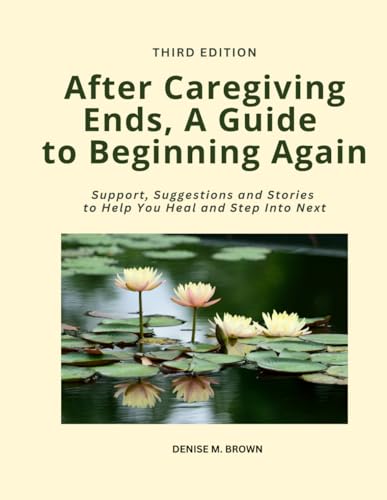
After Caregiving Ends, A Guide to Beginning Again: Support, Suggestions and Stories to Help You Heal and Step Into Next
As an affiliate, we earn on qualifying purchases.
As an affiliate, we earn on qualifying purchases.
Frequently Asked Questions
How Do I Balance Caregiving With My Own Personal Life?
To balance caregiving with your personal life, set clear personal boundaries to safeguard your time and energy. Prioritize self-care strategies like regular breaks, exercise, and seeking support from friends or professionals. Remember, you can’t pour from an empty cup, so taking care of yourself ensures you stay strong and effective in your caregiving role. By maintaining boundaries and practicing self-care, you create a healthier balance between your needs and responsibilities.
What Legal Documents Should I Have in Place for Caregiving?
Think of legal documents as your caregiving safety net. You should have essential legal planning, including a power of attorney, healthcare directives, and a will. These documents guarantee your loved ones can make decisions and access resources if you’re unable to. Focus on document preparation now to prevent future confusion or legal issues. Getting these in place gives you peace of mind and keeps your loved ones protected during emergencies.
How Can I Manage Caregiver Stress Effectively?
To manage caregiver stress effectively, prioritize self-care by taking regular breaks and seeking respite care when needed. Don’t hesitate to lean on emotional support from friends, family, or support groups to share your feelings and gain encouragement. Remember, caring for yourself helps you stay resilient and provide better care. Setting boundaries and practicing mindfulness also help reduce stress, ensuring you stay healthy physically and emotionally.
What Financial Assistance Options Are Available for Caregivers?
About 60% of caregivers face financial strain, so exploring assistance options is smart. You can access government programs like Medicaid and veterans’ benefits to help cover costs. Financial planning is essential—consider creating a budget, tracking expenses, and seeking grants or tax credits available for caregivers. These resources can ease your financial burden, ensuring you provide care without sacrificing your own financial stability.
How Do I Handle Conflicts Among Family Caregivers?
To handle conflicts among family caregivers, prioritize family communication and open dialogue. Address issues calmly and listen to each person’s perspective. Use conflict resolution techniques like finding common ground and setting clear boundaries. Keep everyone involved in decision-making and focus on the shared goal of providing quality care. Remember, maintaining respect and understanding helps resolve disagreements and strengthens your caregiving team.

Aphasia Communication Cards for Adults & Stroke Survivors, Non Verbal Communication Board & AAC Aid, Dementia Products for Elderly, Speech Therapy Materials for Recovery
[IMMEDIATE COMMUNICATION BRIDGE] Designed as an essential non-verbal communication tool for adults suffering from Aphasia, Stroke, or Dementia….
As an affiliate, we earn on qualifying purchases.
As an affiliate, we earn on qualifying purchases.
Conclusion
Remember, caregiving is like tending a delicate garden—you nurture, support, and sometimes prune away what no longer serves. Your role may shift over time, but your love remains the steady sun guiding your loved ones through their seasons of need. Embrace each moment, knowing your care helps them flourish even in the toughest times. With patience and compassion, you’re cultivating a bond that blooms stronger with every challenge faced together.

ENGPOW Legal Size Expanding File Folder Important Document Organizer Fireproof Document Bag with 13 Pockets,Color Labels,Non-Itchy Silicone Coated Portable File Wallet Large Capacity(16" x 10.6")
Double Layers Protection: Our newly designed file folder uses different materials than other folder.Double Layered design, high quality…
As an affiliate, we earn on qualifying purchases.
As an affiliate, we earn on qualifying purchases.

Boiron StressCalm Tablets for Relief of Stress, Anxiousness, Nervousness, Irritability, and Fatigue – 60 Count
PLANT-POWERED, MULTI-SYMPTOM STRESS RELIEF: StressCalm On the Go is powered by plants to relieve occasional symptoms of everyday…
As an affiliate, we earn on qualifying purchases.
As an affiliate, we earn on qualifying purchases.