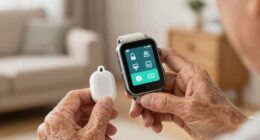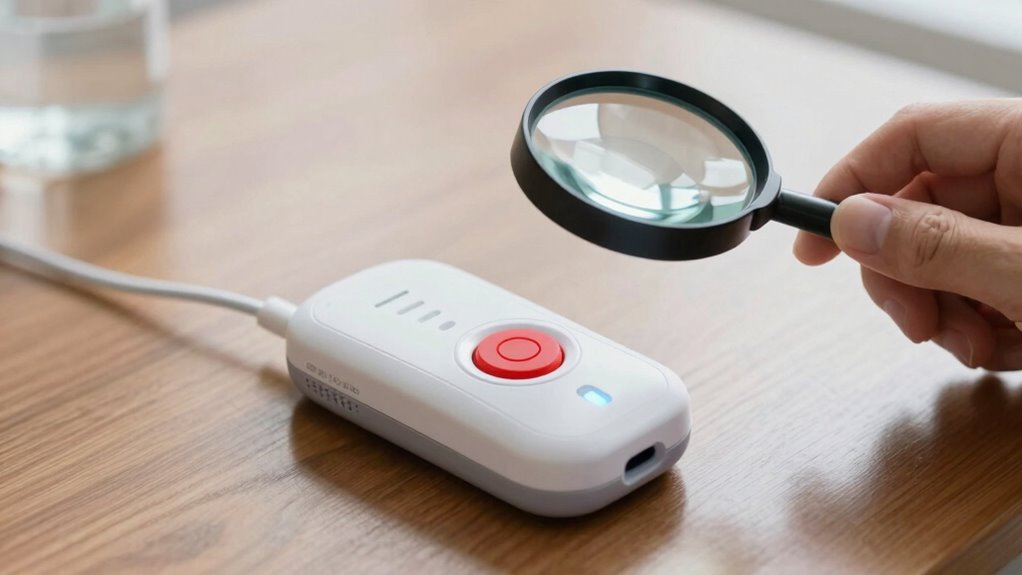

Before choosing a medical alert system, consider its emergency response features like 24/7 operator access, automatic fall detection, and GPS for outdoor use. Make sure it’s compatible with your current devices and fits well into your daily routine, whether indoors or outdoors. Pay attention to privacy safeguards and security practices to protect your personal information. To learn more about selecting the right system for your needs, keep exploring the key factors involved.
Key Takeaways
- Ensure the system offers reliable emergency response features like 24/7 connection to trained operators and automatic fall detection.
- Verify compatibility with your existing devices and smart home systems for seamless integration.
- Choose a user-friendly design suitable for users with limited dexterity or vision, with clear indicators and simple setup.
- Confirm outdoor use capabilities and GPS tracking for versatile safety inside and outside the home.
- Check privacy and security measures to protect personal data and ensure compliance with relevant regulations.
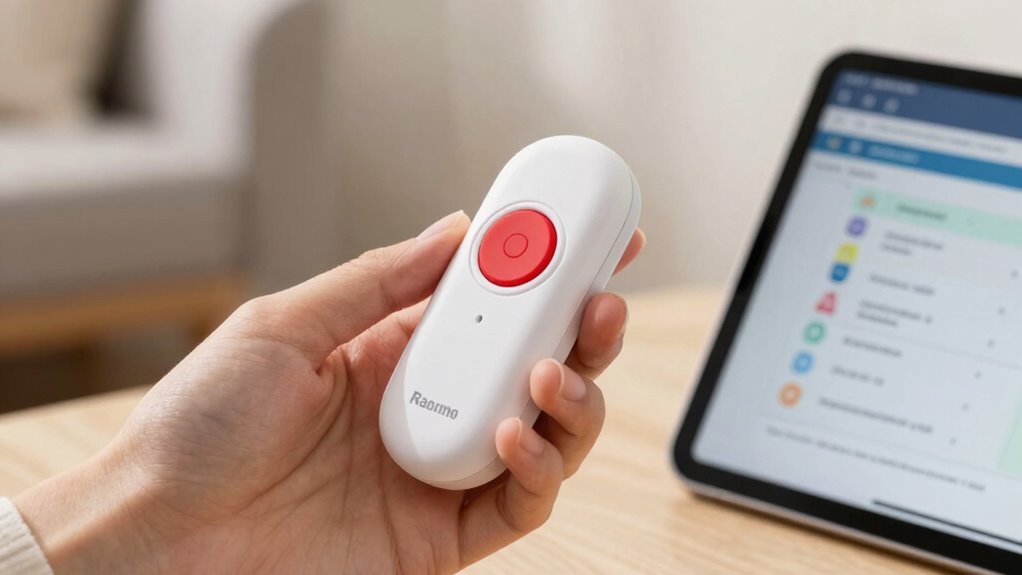
Are you considering a medical alert system to enhance safety and independence? If so, you’re making a smart choice, but it’s important to think carefully about what features will best meet your needs. One of the most critical factors is the emergency response aspect. You want a system that provides quick, dependable assistance when you need it most. Look for a device that connects you to a trained emergency operator 24/7, ensuring help arrives promptly during a fall, medical emergency, or other urgent situation. Some systems automatically detect falls and alert responders without you having to press a button, which can be invaluable if you’re unable to call for help yourself. Consider how immediate the response is and whether the system offers GPS tracking or location services, especially if you’re frequently outside or in large homes. The quicker responders can locate you, the better your chances of getting the assistance you need without delay. Additionally, many systems now incorporate emergency response technology that can enhance their effectiveness and reliability. Proper system integration with your daily devices can streamline the process and improve overall safety.
Device compatibility is another essential consideration. Not all systems work seamlessly with every phone or home setup, so you need to check whether the alert device is compatible with your existing technology. If you prefer a mobile device, ensure it works with your carrier and supports the necessary connectivity features. For in-home systems, verify that they’re compatible with your landline or internet connection, depending on the type of system you choose. Some systems are more versatile, functioning both indoors and outdoors, which can be a substantial advantage if you’re often on the go. Also, consider whether the device is easy to use—simplicity in design can make a huge difference, especially if you or your loved ones have limited dexterity or vision. The device’s compatibility with other devices or smart home systems is worth examining, as integrated systems can offer added convenience and peace of mind. Additionally, it’s important to remember that compliance with privacy policies ensures your personal information is protected while using these systems.
Taking these factors into account can help you select a system that not only meets your safety needs but also integrates smoothly into your daily routine.

Medical Alert System for Seniors with Fall Detection -GPS 4G LTE Cellular SOS Alert System, 24/7 Monitoring – Freedom & Safety Anywhere – Call to Activate – Elderly Life Alert Necklace (Mini X2)
ONE CALL ACTIVATES EVERYTHING — 24/7 FALL DETECTION & LIVE MONITORING: In minutes your Mini X2 life alert…
As an affiliate, we earn on qualifying purchases.
As an affiliate, we earn on qualifying purchases.
Frequently Asked Questions
Can Medical Alert Systems Be Used Internationally?
Yes, some medical alert systems can be used internationally, but you need to check for international coverage. Not all systems work abroad, so verify the device is compatible with international networks. Look for providers that offer global service plans, especially if you travel frequently. Confirm that the device supports the countries you visit, and consider cell compatibility to ensure reliable communication wherever you go.
Are There Any Hidden Fees or Charges?
Hidden fees can catch you off guard, but with transparent pricing, you know exactly what you’re paying for. Many providers now prioritize pricing transparency, so you’re not surprised by extra charges. However, watch out for contract commitments that might lock you in longer than you’d like or include hidden costs. Always ask for a clear breakdown of all fees upfront, so you can make an informed decision and feel secure in your choice.
How Reliable Is the Monitoring Service During Power Outages?
During power outages, you’ll find that many medical alert systems remain reliable thanks to emergency preparedness features like built-in battery backups. Check if the monitoring service offers a power backup to guarantee continuous operation. You want peace of mind knowing that even if the electricity goes out, your system stays functional, providing immediate assistance when needed. Prioritizing systems with robust power backup options helps assure reliable monitoring at all times.
What Is the Battery Life of the Devices?
You’ll find that the battery durability of medical alert devices usually ranges from 24 to 72 hours, depending on the model. Many devices come with a built-in power backup, ensuring they stay functional during outages. It’s important to check the specific battery life and whether the device has a power backup feature, so you’re confident it’ll work when you need it most, even if the power goes out.
Are There Options for Non-Verbal or Hearing-Impaired Users?
Think of the system as a lighthouse guiding you through foggy nights. For non-verbal or hearing-impaired users, look for options with visual cues like flashing lights or vibrating alerts, and hearing assistance features such as amplified sound or specialized devices. These tools help guarantee you’re always connected, no matter your communication needs, allowing you to feel safe and secure, just like a lighthouse shining brightly for sailors in the dark.
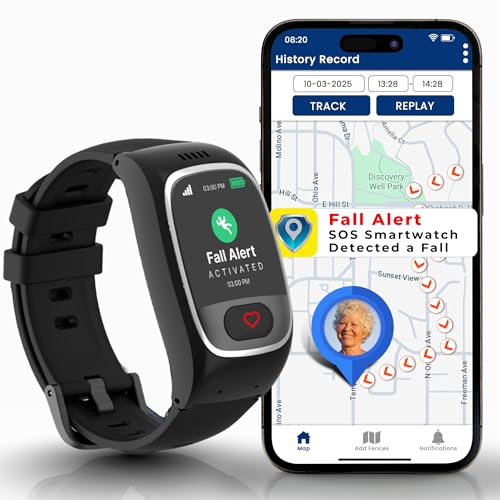
Seculife Smartwatch: Medical Alert Bracelet with GPS Tracker, Fall Detection Smart Watch, 2 Way Calling, SOS Button, Medical Watch, Emergency Device for Seniors, Life Alert System, Elderly Monitoring
🆘 𝐅𝐚𝐥𝐥 𝐃𝐞𝐭𝐞𝐜𝐭𝐢𝐨𝐧, 𝐒𝐎𝐒 𝐯𝐨𝐢𝐜𝐞 𝐜𝐚𝐥𝐥𝐬 𝐟𝐨𝐫 𝐒𝐞𝐧𝐢𝐨𝐫𝐬: When the smartwatch detects a fall or the heart button…
As an affiliate, we earn on qualifying purchases.
As an affiliate, we earn on qualifying purchases.
Conclusion
Before you dash off to purchase a medical alert system, remember to contemplate your specific needs, budget, and the system’s features. Think about coverage, ease of use, and whether it offers 24/7 monitoring. Don’t forget to check for reliable customer support — after all, you want peace of mind, not a trip down the rabbit hole of frustration. Like a trusty steed, your alert system should be ready to serve you well in any emergency.

Lively Mobile2 – Medical Alert Device – 24/7 Emergency Help – Waterproof – with Optional Fall Detection – Lanyard Included – for Greater Independence
Fast help in emergencies, 24/7: With the fastest call response time, in emergencies big or small, one touch…
As an affiliate, we earn on qualifying purchases.
As an affiliate, we earn on qualifying purchases.

SecuLife New 2026 Fall Alert Device, Medical Alert Pendant with for Seniors, SOS Call, GPS Tracking & Reminders – Wearable Emergency Necklace for Elderly, Waterproof, 2-Way Calling, Panic Button
❤️ 𝐌𝐞𝐝𝐢𝐜𝐚𝐥 𝐀𝐥𝐞𝐫𝐭 𝐏𝐞𝐧𝐝𝐚𝐧𝐭 𝐰𝐢𝐭𝐡 𝐅𝐚𝐥𝐥 𝐃𝐞𝐭𝐞𝐜𝐭𝐢𝐨𝐧: Designed for seniors and individuals with medical conditions, this wearable alert…
As an affiliate, we earn on qualifying purchases.
As an affiliate, we earn on qualifying purchases.