
TL;DR

Get health and wellness essentials delivered free with Prime
- Fast, free delivery on millions of items
- Prime Video, Amazon Music and more included
- Member-only deals all year
The Ministry of Health has transferred 20 children from the Awajún community in Condorcanqui to Lima. The move aims to address health concerns, but the full reasons and conditions remain unclear. This development has sparked public and media interest.
The Ministry of Health has transferred 20 children from the Awajún community in Condorcanqui to Lima. The move was officially announced as a measure to address health concerns, though specific reasons and conditions remain unclear. This transfer highlights ongoing issues related to indigenous health and access to medical services in remote regions of Peru.
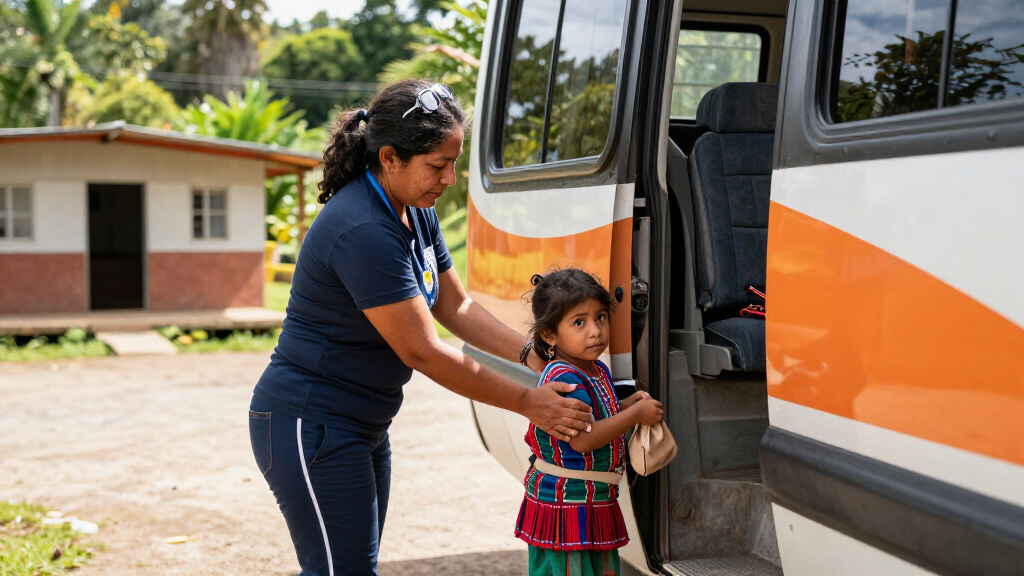
According to sources from the Ministry of Health, the transfer involved 20 children from the Awajún community in Condorcanqui, Amazonas. The children were moved to Lima for medical evaluation and treatment, with officials citing health and safety concerns as the primary reasons. The exact health issues prompting the transfer have not been publicly detailed, and the process reportedly involved coordination with local authorities and community leaders.
Local reports confirm the transfer took place recently, but the Ministry has not released comprehensive information about the criteria used for selecting these children or their current health status. The community of Condorcanqui and indigenous rights advocates have expressed concern over the lack of transparency and the potential impact on the children and their families. The transfer was reportedly carried out with the consent of some community members, but others have raised questions about the process and communication.
Health authorities in Lima have stated that the children are receiving medical attention, but specific details about their conditions, the duration of their stay, or the planned follow-up are not yet available. The transfer is part of a broader context of challenges faced by indigenous populations in accessing adequate healthcare, particularly in remote Amazonian regions.
Implications for Indigenous Healthcare Access
This transfer underscores ongoing concerns about the limited access to healthcare services in remote indigenous communities like Condorcanqui. It highlights the government’s efforts to provide medical care to vulnerable populations, but also raises questions about the adequacy and sustainability of health services in these areas. The move may set a precedent for future interventions, but also risks raising issues of community consent and cultural sensitivity.
medical evaluation kits for children
As an affiliate, we earn on qualifying purchases.
As an affiliate, we earn on qualifying purchases.
Background on Indigenous Health and Government Actions
Peru’s Amazonian regions, including Condorcanqui, have long faced challenges in healthcare delivery due to geographical barriers, limited infrastructure, and resource constraints. Indigenous communities such as the Awajún often experience higher rates of health issues, including infectious diseases and malnutrition, with limited access to specialized medical services. The government has periodically launched initiatives aimed at improving healthcare access, but these efforts are often hampered by logistical and political factors.
The recent transfer of children to Lima is part of a pattern where health authorities intervene in remote communities to address urgent health concerns or emergencies. However, such interventions have sometimes been criticized for lacking transparency or community involvement, raising debates about the balance between medical necessity and respecting indigenous autonomy.
Previous reports have indicated that indigenous populations frequently face barriers to healthcare, including language differences, cultural misunderstandings, and mistrust of authorities. The current transfer adds to this ongoing narrative, emphasizing the need for more sustainable, culturally sensitive health solutions in the Amazon.
children's health monitoring devices
As an affiliate, we earn on qualifying purchases.
As an affiliate, we earn on qualifying purchases.
Unconfirmed Details and Community Perspectives
It is not yet clear what specific health issues prompted the transfer or whether the children will return to their community after treatment. The full scope of community involvement and consent remains uncertain, with some reports suggesting mixed reactions among local residents and families. The long-term plans for the children’s care and the transparency of the decision-making process are still under question.
As an affiliate, we earn on qualifying purchases.
Next Steps in Medical Follow-Up and Community Engagement
Health authorities are expected to provide updates on the children’s health status and the care they are receiving in Lima. Community leaders and advocacy groups are calling for more transparent communication and involvement in future decisions affecting indigenous populations. The government may also face pressure to develop sustainable healthcare solutions in remote regions to prevent similar emergencies.
As an affiliate, we earn on qualifying purchases.
Key Questions
Why were the children transferred to Lima?
The Ministry of Health cited health and safety concerns as the reason for transferring the children to Lima for evaluation and treatment, though specific medical details have not been disclosed.
Are the children returning to their community after treatment?
It is not yet clear whether the children will return to Condorcanqui or remain in Lima for ongoing care. Details about the planned follow-up are still emerging.
How did the community react to the transfer?
Reactions appear mixed; some community members have expressed concern over transparency and community involvement, while others support the medical intervention. The full community response is still being gathered.
What health issues are the children facing?
The specific health problems prompting the transfer have not been publicly detailed by authorities, and investigations are ongoing.
What measures are being taken to improve healthcare in Condorcanqui?
The government has announced ongoing efforts to strengthen healthcare infrastructure in remote regions, but concrete results and timelines remain unclear.
Source: local
Halloween Picks
halloween
As an affiliate, we earn on qualifying purchases.