

Reflecting on your caregiving journey helps you understand what’s worked and what needs adjustment, so you can improve your approach. Planning for the future involves establishing legal, financial, and long-term care options to guarantee your loved one’s well-being. It’s also important to manage resources, set boundaries, and build a support network. By staying organized and open to change, you’ll feel more confident and prepared—if you keep exploring, you’ll discover how to strengthen your caregiving resilience.
Key Takeaways
- Regularly assess and adapt caregiving strategies to accommodate evolving needs and circumstances.
- Reflect on past experiences to identify effective practices and areas for improvement.
- Document medical, legal, and financial information to inform future decisions and plans.
- Communicate openly with family and healthcare professionals to align goals and expectations.
- Develop long-term care plans, including options like assisted living or in-home support, for future stability.

Beginning a caregiving journey can be both rewarding and overwhelming, especially when you start thinking about the future. As you navigate daily responsibilities, you’re constantly balancing the needs of your loved one with your own well-being. During this time, developing emotional resilience becomes essential. You’ll face moments of stress, frustration, and exhaustion, but staying grounded helps you manage these feelings more effectively. Building emotional resilience isn’t about suppressing emotions; it’s about acknowledging them and finding healthy ways to cope, such as seeking support or practicing mindfulness. This strength allows you to remain present, compassionate, and patient, even during difficult times.
Resource management is another vital aspect of your ongoing caregiving role. As the responsibilities grow, so does the importance of organizing your time, energy, and finances. You need to prioritize tasks and set realistic boundaries to prevent burnout. Creating a structured schedule helps guarantee that essential needs—medications, appointments, nutrition—are consistently met without overwhelming yourself. Additionally, understanding your financial resources and exploring available support services can ease the burden. Whether it’s insurance, community programs, or respite care, knowing where to turn for assistance saves you from unnecessary stress and allows you to focus on providing quality care.
Looking ahead, you’ll want to think about how your caregiving role might evolve. Reflecting on your journey so far informs your future planning. It’s natural to feel uncertainty, but proactive steps can make a significant difference. For example, establishing a legal and financial plan ensures that your loved one’s wishes are clear and that resources are allocated effectively. Communicating openly with family members and healthcare professionals can also help distribute responsibilities and create a support network. As you think about long-term care options, including assisted living or in-home services, keeping an organized record of medical history, preferences, and needs will streamline future decisions. Moreover, considering dog quotes for reflection and humor or pet-inclusive plans can help maintain emotional well-being and provide comfort during challenging times.
Throughout this process, remember that caring for yourself isn’t a luxury—it’s a necessity. Maintaining emotional resilience and managing your resources wisely empower you to sustain your caregiving role over time. By reflecting on what’s worked and what needs adjustment, you set a strong foundation for the future. This ongoing assessment allows you to adapt to changing circumstances, ensuring both your well-being and that of your loved one. In the end, your dedication, coupled with thoughtful planning, helps you navigate the complexities of caregiving with confidence and compassion.

Premium Protection Incontinence Pads for Seniors, Super Absorbency for Day/Overnight Use, Safe for Sensitive Skin, Cotton Liner, Protects from Incontinence & Bladder Leaks, Pkg 20Ct by Easy Comforts
Superior Absorbency – Each pad features super-absorbent micro-gel beads and a blue absorbent stripe that channels moisture away…
As an affiliate, we earn on qualifying purchases.
As an affiliate, we earn on qualifying purchases.
Frequently Asked Questions
How Do I Manage Caregiver Stress Effectively?
To manage caregiver stress effectively, focus on building emotional resilience by practicing self-care strategies like taking breaks, staying connected with loved ones, and setting boundaries. Prioritize your mental health through activities like meditation or hobbies, and don’t hesitate to seek support from support groups or professionals. Remember, caring for yourself enables you to be a better caregiver, so make self-care a consistent part of your routine.
What Legal Documents Are Essential for Future Planning?
You should prioritize estate planning and creating a power of attorney to secure your future. Estate planning guarantees your assets are protected and distributed according to your wishes, while a power of attorney grants someone you trust authority to make decisions if you’re unable. These legal documents are essential for avoiding future complications, providing peace of mind, and ensuring your care preferences are honored. Make sure to review and update them regularly.
How Can I Balance Caregiving With Personal Life?
Balancing caregiving with your personal life can be challenging, but you can build emotional resilience by setting boundaries and establishing self-care routines. Prioritize your well-being with regular breaks, hobbies, and support networks. Remember, self-care isn’t selfish—it sustains your strength. Communicate openly with loved ones, and don’t hesitate to ask for help. Staying organized and maintaining a positive perspective helps you navigate caregiving’s demands while nurturing your personal happiness.
When Should I Consider Professional Caregiving Assistance?
You should consider professional caregiving assistance when you’re feeling overwhelmed or stretched too thin. Respite care can give you essential breaks, while caregiver training guarantees you have the right skills. If your loved one’s needs grow more complex or your health begins to suffer, it’s a sign to seek help. Don’t hesitate to explore these options—they can provide relief and improve the quality of care you both deserve.
How Do I Communicate Care Plans With Family Members?
Think of your family as a well-tuned orchestra—each member’s voice matters. To communicate care plans effectively, hold regular family meetings focused on care plan coordination. Share clear, concise updates, listen to everyone’s concerns, and document decisions. Use open, honest family communication to guarantee everyone’s on the same page, fostering teamwork and peace of mind. This harmony keeps your caregiving journey smooth and compassionate.

Daviky Pill Organizer 4 Times a Day – Pill Box 7 Day, Large Weekly Medicine Pill Organizer for Travel with Removable Individual Containers, Pill Case to Hold Daily Vitamins, Supplements and Medication
Carry More but Portable – Overall 8''x 5''x 1.4'' and 4.8" x 1.2" x 1'' for each compartment,…
As an affiliate, we earn on qualifying purchases.
As an affiliate, we earn on qualifying purchases.
Conclusion
As you look back on your caregiving journey, remember it’s been a true odyssey—sometimes challenging, other times rewarding. Planning ahead, like setting up for a future that’s as bright as a flash from your vintage radio, guarantees you’re prepared for whatever comes next. Embrace the lessons learned and cherish the moments shared. Keep your compass steady and your heart open, because your dedication creates a legacy that outshines even the most legendary tales of old.

Joyreal AAC Device for Autism, Non Verbal Communication Tools for Speech Therapy & Stroke Rehab. Communication Tablet, Autism Talking Aids with 8 Programmable Buttons & Adjustable Volume
37 Easy To Understand Talking Buttons- Our AAC device for speech comes with 37 pre-installed instructions in a…
As an affiliate, we earn on qualifying purchases.
As an affiliate, we earn on qualifying purchases.
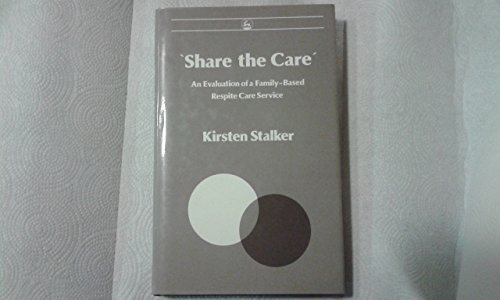
'Share the Care': An Evaluation of a Family-Based Respite Care Service
Used Book in Good Condition
As an affiliate, we earn on qualifying purchases.
As an affiliate, we earn on qualifying purchases.