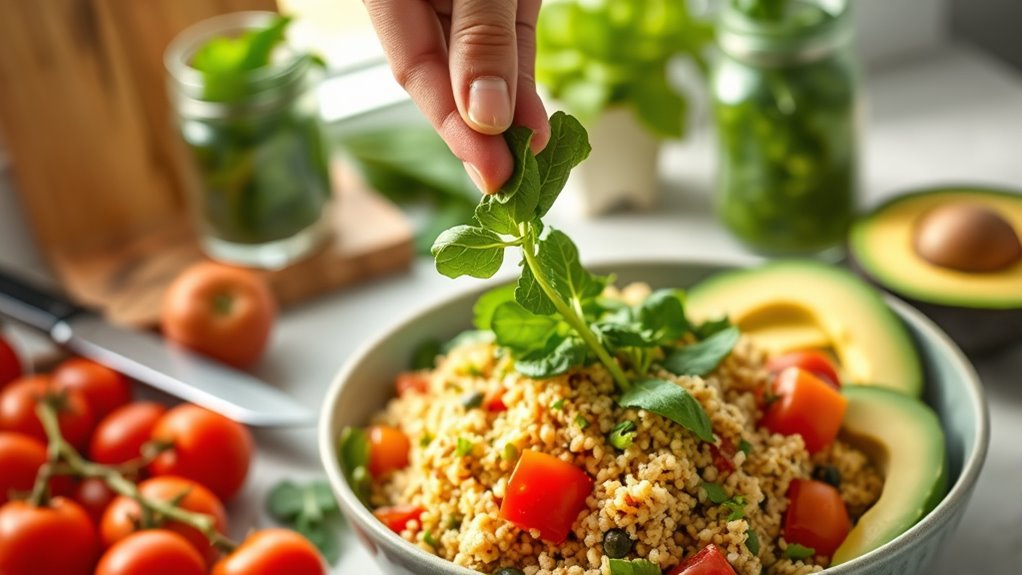

To cook for blood pressure, stroke, and heart health, choose fresh, whole ingredients like vegetables, lean proteins, and whole grains. Use herbs and spices instead of salt, and opt for baking, steaming, or grilling to reduce unhealthy fats. Plan your meals ahead to avoid temptations and control portions. Keep your kitchen safe with sharp tools out of children’s reach and well-maintained appliances. Keep going to discover more tips to optimize your heart-healthy cooking.
Key Takeaways
- Use fresh, minimally processed ingredients and limit salt, processed foods, and unhealthy fats to support heart health.
- Incorporate herbs and spices instead of salt to flavor dishes while managing blood pressure.
- Opt for baking, steaming, and grilling methods to reduce added fats and preserve nutrients.
- Plan meals with whole grains, lean proteins, and vegetables to promote cardiovascular well-being.
- Prepare healthy snacks like nuts and fruit ahead of time to avoid unhealthy temptations and maintain blood pressure control.
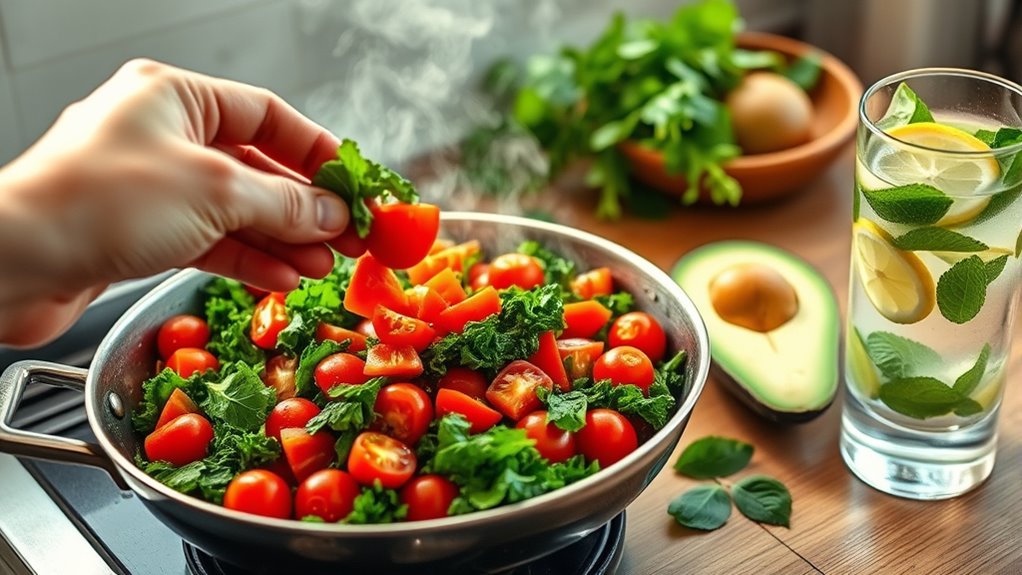
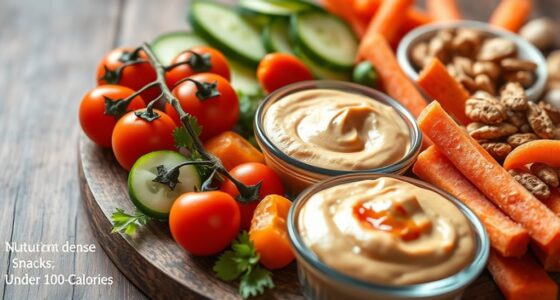
Taking control of your diet is a powerful step toward managing blood pressure, reducing stroke risk, and supporting heart health. When you focus on what you eat, you can make a real difference in your overall well-being. One of the easiest ways to start is by choosing healthy snack options. Instead of reaching for chips or sugary treats, opt for nuts, fresh fruit, or veggie sticks with hummus. These snacks are packed with nutrients that help lower blood pressure and improve cardiovascular health. Preparing these snacks ahead of time makes it easier to resist less healthy temptations. Remember, your kitchen is your first line of defense, so keeping it safe and organized is essential. Follow kitchen safety tips like keeping knives sharp, cleaning spills immediately, and storing raw meats separately to prevent cross-contamination. A well-maintained kitchen not only prevents accidents but also encourages healthier cooking habits.
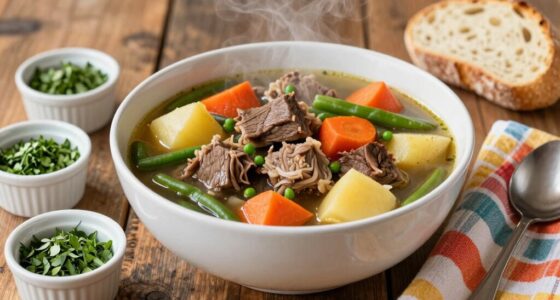
When cooking for heart health, use fresh ingredients and avoid processed foods high in sodium and unhealthy fats. Incorporate herbs and spices instead of salt to enhance flavor without raising blood pressure. Cooking methods matter too—baking, steaming, and grilling are healthier options compared to frying. These techniques help preserve nutrients and reduce unnecessary fats. As you prepare meals, think about portion sizes to avoid overeating, which can strain your heart and elevate blood pressure. Using smaller plates and measuring ingredients can help you stay on track. Additionally, understanding pool safety practices can remind you of the importance of maintaining a secure environment, which parallels the need for vigilance in your kitchen to prevent accidents.
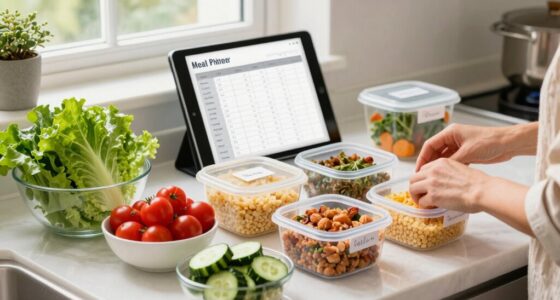
Staying mindful of your kitchen environment is vital. Keep sharp tools away from children, and ensure your appliances are in good working order. Proper ventilation can also help reduce smoke and fumes, creating a safer cooking space. When trying new recipes, look for options that emphasize whole grains, lean proteins, and plenty of vegetables. These foods support healthy blood pressure levels and reduce the risk of stroke. Planning meals ahead of time minimizes last-minute choices that might lead to unhealthy options, making it easier to stick to your health goals.
Incorporating healthy snacks and maintaining kitchen safety tips are small but impactful steps toward better heart health. Every mindful choice you make in your kitchen adds up over time, helping you control blood pressure and lower the risk of stroke. Keep a few simple safety routines in place, stay organized, and choose nourishing ingredients. With consistent effort, you’ll develop habits that promote a stronger, healthier heart and a more vibrant life. Remember, cooking with purpose not only benefits your health but also makes mealtime more enjoyable and rewarding.

Fitness Tracker Wearable Activity Tracker AI Sleep 24/7 Heart Rate Monitor Multi-Sport Tracking Screenless SOS Fall Detection Waterproof & Long Battery Life Smart Bracelet for Men Women Senior
- Minimalist Screenless Design: Discreet, comfortable, no light interference
- Safety Features: Stress monitoring, fall detection, SOS alerts
- Health Monitoring: 24/7 heart rate and sleep tracking
As an affiliate, we earn on qualifying purchases.
Frequently Asked Questions
Are There Specific Spices Beneficial for Heart Health?
Yes, certain spices are beneficial for your heart health. You should include herbs for circulation like garlic, ginger, and turmeric, which can help improve blood flow and reduce inflammation. Spice blends like curry powder or chili powder also contain heart-friendly ingredients. Incorporate these into your meals regularly to support your cardiovascular system naturally and enjoy flavorful, health-boosting dishes.
How Can I Make Meals Appealing While Reducing Salt?
You might think reducing salt makes meals dull, but you can still bring vibrant flavor through creative flavor enhancement. Use herbs, spices, citrus, and vinegar to boost taste without extra salt. Salt alternatives like potassium-based seasonings can also help. Experimenting with these options keeps your meals appealing and satisfying, proving that heart-healthy cooking doesn’t mean sacrificing deliciousness.
What Are Quick Recipes for a Heart-Healthy Diet?
You can whip up quick, heart-healthy meals by focusing on simple ingredients like fresh vegetables, lean proteins, and whole grains. Try making a veggie stir-fry or a grilled chicken salad for fast meal prep. For snacks, choose heart healthy options like nuts, fruit, or yogurt. These recipes are not only quick but also delicious, helping you stay on track without sacrificing flavor or nutrition.
Can I Use Supplements to Improve Blood Pressure?
Imagine your body as a garden, delicate yet resilient. Supplements like herbal remedies can support blood pressure, but you need to be cautious. Always prioritize supplement safety by consulting your doctor before adding any herbal remedies or supplements. They can interact with medications or cause unwanted side effects. While supplements may help, they shouldn’t replace lifestyle changes like healthy eating and exercise, which are foundational for long-term heart health.
How Do Cooking Methods Affect Nutrient Retention for Heart Health?
You can maximize nutrient preservation by choosing healthy cooking techniques like steaming, sautéing, or baking, which help retain essential nutrients important for heart health. Avoid boiling, as it can cause nutrient loss, especially water-soluble vitamins. Using minimal water and cooking at lower temperatures also helps. By selecting proper cooking methods, you guarantee your meals maintain their heart-friendly nutrients, supporting overall cardiovascular health.

Wellness Journal - 90 Day Health, Fitness, Gratitude, Mindfullness, Wellbeing, Habit, Goals, Diet & Food Tracker - A5 (Pastel Rainbow)
- Weekly Fitness & Meal Planner: Track workouts and meals weekly
- Gratitude Journal: Weekly and monthly gratitude entries
- Monthly Planner & Goals: Set and track monthly goals
As an affiliate, we earn on qualifying purchases.
Conclusion
By choosing heart-healthy ingredients and cooking wisely, you can markedly reduce your risk of blood pressure, stroke, and heart disease. Did you know that lowering sodium intake by just 1,000 milligrams a day can reduce stroke risk by 20%? So, embrace fresh fruits, veggies, and whole grains, and cook with herbs instead of salt. Small changes in your kitchen can make a big difference for your long-term health and well-being.

wrongduck Retro Smart Ring for Women Sleep Fitness Tracking, Pink, 10#
- Real-time Sleep and Health Monitoring: Tracks sleep quality and daily activities accurately
- Size Confirmation Needed: Check size chart before purchasing
- Elegant, Portable Design: Hypoallergenic ring with waterproof IP68 rating
As an affiliate, we earn on qualifying purchases.

Cisike Fitness Tracker, Health Wearable, Activity Tracker with APP
- Continuous 24/7 Health Monitoring: Tracks heart rate, sleep, stress, and more
- Personalized Health Insights: Provides recovery, VO2 max, menstrual cycle
- Stress and Aging Analysis: Real-time stress monitor and biological age
As an affiliate, we earn on qualifying purchases.