
TL;DR

Get health and wellness essentials delivered free — and shop member deals
- Fast, free delivery on millions of items
- Access to Prime Big Deal Days deals on October 6–7
- Prime Video, Amazon Music and more included
A Sixty and Me contributor describes adopting a password manager after hearing a podcast about security breaches, despite not having experienced an attack. The account highlights easier phone logins and generated passwords, but also duplicate saved logins, conflicts with Google Password Manager and the need to protect one master password.
Sixty and Me has published a first-person report on using a password manager, describing how generated passwords and phone-based logins can make account access easier while creating new housekeeping tasks. The writer says they bought a two-year subscription after hearing a podcast about security breaches, although they had not been hacked; the account is a personal experience, not a product-security test or a report of a new breach.
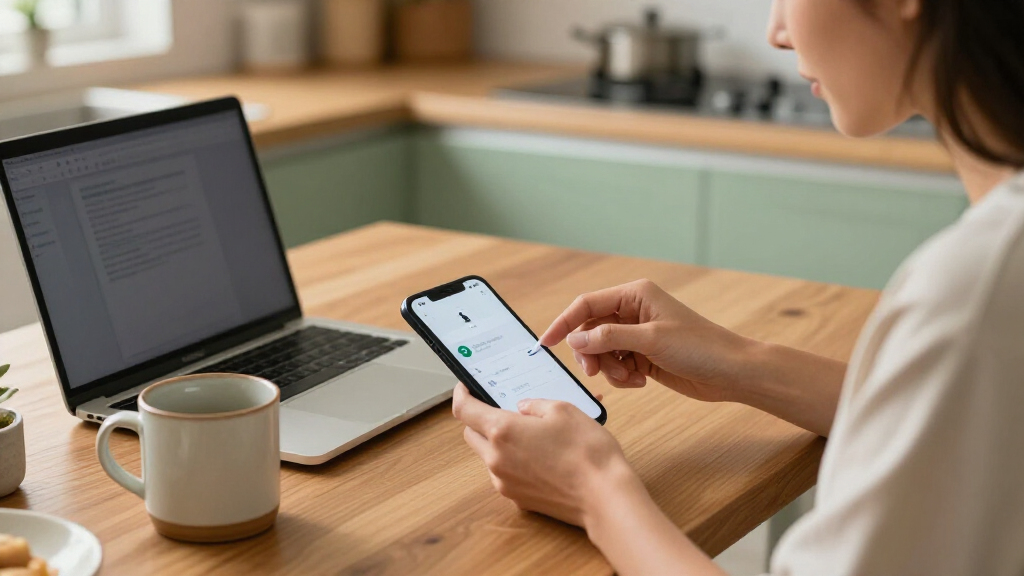
The contributor says the manager can generate long strings of letters, numbers and symbols for new accounts, so the user does not need to memorize each password. On a phone, the service recognizes a website and uses facial recognition to authenticate the user before filling in the credential. The writer describes that routine as especially convenient when it works as intended.
The change also created overlap with Google’s saved passwords. The writer says Google sometimes offers an older password while the new manager offers a different one. The manager has also stored duplicate versions of some logins, requiring the writer to identify the current credential and remove outdated entries. Those examples show that switching services may require users to review existing saved credentials rather than simply installing an app and forgetting about passwords.
The writer’s main concern is the master password, which protects access to the other stored passwords. To reduce the worry of forgetting it, they wrote it down and placed a copy in a safe-deposit box. They also choose not to unlock the manager on a work computer. If they create a personal account there, they may have to update its password later at home so they can save it in the manager.
Convenience Comes With Credential Upkeep
The report matters to readers weighing whether a password manager will simplify account security because it illustrates both the day-to-day appeal and the work involved. Unique generated passwords can spare users from remembering a separate credential for each site, while autofill can make logging in on a phone quicker. But a manager does not automatically clean up passwords already stored elsewhere, resolve duplicate accounts or remove every source of confusion.
The account also makes clear that users are placing many credentials behind one master password. The writer’s safe-deposit-box approach is a personal choice, not a recommendation for every household. Readers should treat the piece as an account of one user’s experience, not independent evidence that a particular product is secure or suitable for all devices. The author says the service brought peace of mind, but provides no testing, breach data, or comparative assessment of password-manager providers.
best password manager subscription
As an affiliate, we earn on qualifying purchases.
As an affiliate, we earn on qualifying purchases.
Why the Writer Made the Switch
The contributor had been considering a password manager for some time, but worried it could add complexity even as it made password use easier. A podcast about security breaches prompted the purchase, despite no reported compromise of the writer’s own accounts. That distinction matters: the article describes a preventive decision, not a response to a confirmed incident.
Before adopting the service, the writer had allowed Google to save some passwords. The resulting overlap helps explain why the transition felt untidy: two systems could offer different credentials for the same service, while the new manager contained duplicate entries. The report does not identify the manager by name, give technical details about its security design or compare its features with other services.
““It simply moves some of the friction around managing passwords.””
— Sixty and Me contributor
As an affiliate, we earn on qualifying purchases.
Security Details the Account Does Not Test
The supplied report does not name the password manager, explain its encryption or recovery methods, or describe an independent security review. It therefore cannot establish how the service would perform in a breach or whether its protections meet a particular reader’s needs. The writer reports no personal hack and offers no evidence that one occurred.
It is also unclear how common the described conflicts with Google or duplicate entries are, or whether they depend on specific settings, devices or account histories. The piece is a single user’s account, and it does not compare the costs, features or security practices of competing services.
As an affiliate, we earn on qualifying purchases.
No Product Test or Follow-Up Announced
The supplied material does not announce a product test, company response or follow-up report. The contributor says they remain glad they adopted the manager, while describing continued password housekeeping and their decision not to use it on a work computer. Readers considering a similar change can take away the practical questions raised by the account: how to handle passwords already saved in another service, how to keep track of the master password and which devices they are comfortable using.
As an affiliate, we earn on qualifying purchases.
Key Questions
Did the writer switch after being hacked?
No. The contributor says they had not been hacked and bought the service after listening to a podcast about security breaches.
What did the writer find most useful?
The writer highlights logging in on a phone and having the manager generate passwords that do not need to be memorized.
What problems did the writer encounter?
The report describes Google offering older passwords, duplicate entries in the manager and the need to remember a master password. The writer also avoids using the manager on a work computer.
Does this report establish that a specific password manager is secure?
No. The article does not name the service or provide technical testing, independent security findings or a comparison with other products. It reports one person’s experience.
Source: rss
Evergreen bestsellers Picks
bestsellers
As an affiliate, we earn on qualifying purchases.