TL;DR

Get health and wellness essentials delivered free — and shop member deals
- Fast, free delivery on millions of items
- Access to Prime Big Deal Days deals on October 6–7
- Prime Video, Amazon Music and more included
US coal miners are protesting to demand benefits as cases of black-lung disease increase. The surge highlights ongoing health risks in the industry and delays in compensation. The situation remains urgent and unresolved.
Coal miners across the United States are publicly pleading for increased health benefits as cases of black-lung disease continue to rise, highlighting longstanding health risks associated with coal mining and delays in compensation. The protests come amid mounting concern over the health impacts of coal dust exposure and the adequacy of existing support systems for affected workers.
In recent weeks, coal miners from several states have organized protests and public appeals, demanding that the federal government and industry stakeholders improve access to medical care and benefits for those suffering from black-lung disease, a debilitating and often fatal respiratory condition caused by prolonged inhalation of coal dust. According to reports, the number of black-lung cases has surged over the past year, with some health experts attributing the increase to outdated safety standards and delayed diagnoses.
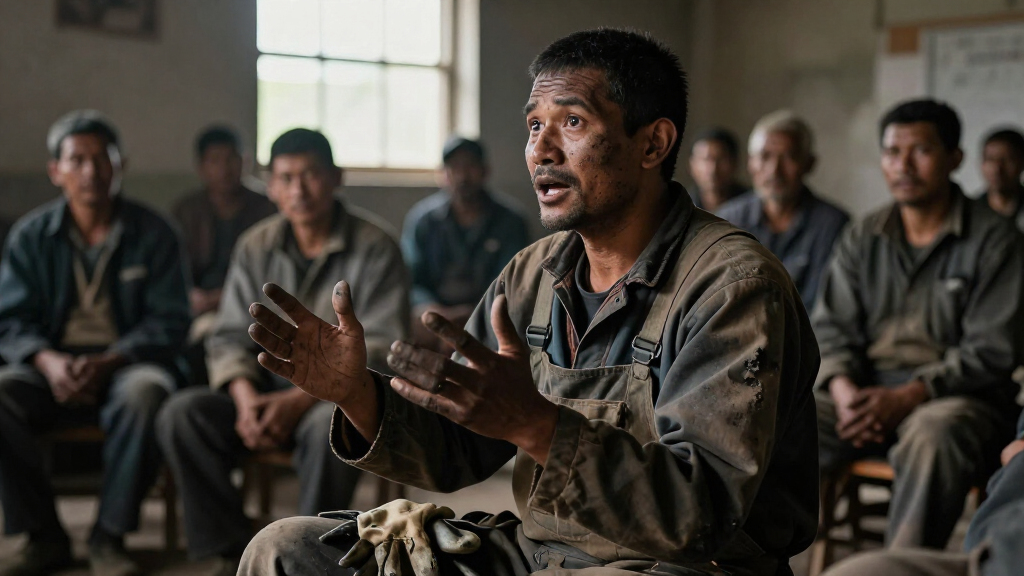
Many miners have described their struggles publicly, sharing stories of worsening health and financial hardship. One miner, who requested anonymity, told reporters, ‘Do you have to be dead before you get help? We’ve been exposed for decades, and now we’re left to suffer without proper support.’ The Mine Safety and Health Administration (MSHA) has confirmed an uptick in black-lung diagnoses, though official data on the exact increase remains limited due to reporting delays. Industry advocates acknowledge the health risks but cite ongoing efforts to improve safety, while critics argue that protections have historically been insufficient.
The protests have gained traction on social media, with hashtags calling for justice and better benefits trending among mining communities. Several unions and advocacy groups have joined the calls for urgent policy changes, emphasizing that many affected workers are nearing retirement age or already retired, yet still face inadequate compensation and healthcare coverage.
Why Rising Black-Lung Cases and Miner Protests Matter
The surge in black-lung disease cases and miners’ protests underscore ongoing health and safety issues within the US coal industry. The situation highlights potential failures in regulatory oversight, outdated safety standards, and delays in providing adequate compensation and healthcare for affected workers. This development raises questions about the industry’s accountability and the government’s role in protecting workers’ health, especially as coal remains a significant energy source in the US.
For affected miners and their families, the issue is a matter of health, financial stability, and dignity. The protests draw attention to the need for systemic reforms to ensure timely diagnosis, better safety protocols, and comprehensive benefits. The broader public and policymakers are now faced with the challenge of balancing economic interests with workers’ rights and health protections.
black lung disease respirator mask
As an affiliate, we earn on qualifying purchases.
As an affiliate, we earn on qualifying purchases.
Background on Black-Lung Disease and Mining Safety
Black-lung disease, also known as pneumoconiosis, has long been associated with coal mining, first recognized in the 18th century. Despite advances in safety standards, the disease persists due to ongoing exposure to coal dust, especially in underground mining operations. Historically, regulatory efforts such as the Federal Black Lung Program, established in the 1970s, aimed to provide benefits to affected miners. However, critics argue that enforcement and funding gaps have limited its effectiveness.
Over recent years, reports indicated a gradual increase in black-lung cases, prompting renewed concern among health officials and labor advocates. The rise is believed to be linked to outdated safety practices, economic pressures to maximize production, and delays in diagnosing the disease. The current protests represent a culmination of long-standing frustrations over health protections and compensation delays, intensified by recent case surges.
While industry stakeholders claim ongoing safety improvements, miners and advocacy groups contend that many workers still face hazardous conditions and insufficient support once diagnosed with the disease.
As an affiliate, we earn on qualifying purchases.
Unconfirmed Factors Behind the Surge in Cases
It is not yet clear what specific factors have driven the recent surge in black-lung disease cases. Experts suggest possible links to outdated safety standards, increased mining activity, or underreporting in previous years. The extent of regulatory failures and the precise timeline of the case increase remain under investigation. Additionally, the full impact of recent safety reforms and their enforcement is still uncertain, as data collection continues.
As an affiliate, we earn on qualifying purchases.
Next Steps in Addressing Miner Health and Benefits
Authorities and industry stakeholders are expected to review current safety protocols and health monitoring systems in response to the protests. Legislative discussions about expanding benefits and improving health protections for miners are likely to intensify in Congress. Advocacy groups plan to continue public campaigns to pressure policymakers for immediate action. Meanwhile, health agencies are working to improve data collection and diagnosis procedures to better understand the scope of the problem.
Miners and their families will await further developments on potential policy reforms and increased funding for black-lung disease treatment and benefits. The situation is evolving, with ongoing protests and advocacy efforts shaping the response.
As an affiliate, we earn on qualifying purchases.
Key Questions
What is black-lung disease?
Black-lung disease, or pneumoconiosis, is a chronic respiratory condition caused by inhaling coal dust over many years, leading to lung tissue scarring and breathing difficulties. It is often fatal and currently affects many retired and active miners.
Why are miners protesting now?
Miners are protesting due to a surge in black-lung cases, delays in receiving benefits, and inadequate healthcare support. They demand improved safety, timely diagnosis, and fair compensation.
What actions are authorities taking?
Regulators and policymakers are reviewing safety standards, increasing health monitoring efforts, and considering legislative proposals to expand benefits for affected miners. The situation is still developing.
How many cases have been reported?
Official data on the exact number of recent black-lung cases is limited due to reporting delays, but industry sources confirm an increase over the past year, with some reports indicating a significant surge.
What is the long-term outlook?
The long-term response depends on policy reforms, enforcement of safety standards, and improved health monitoring. The situation remains urgent, with ongoing protests and advocacy efforts pushing for change.
Source: fediverse
Fall Picks
fall essentials
As an affiliate, we earn on qualifying purchases.