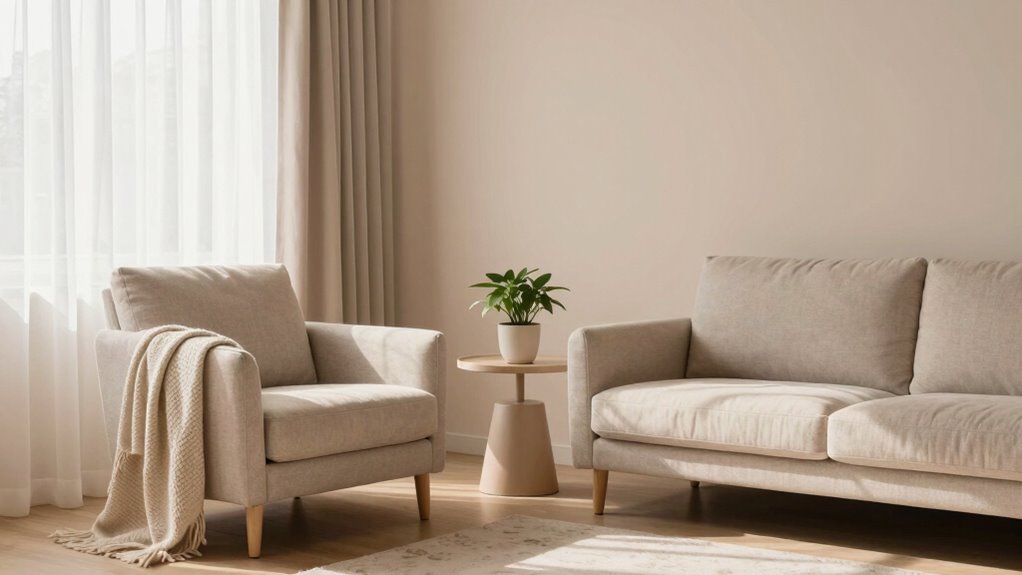
Choosing calm design in home care impacts your loved one’s emotional and physical well-being more than you might think. It creates a peaceful space that reduces stress, anxiety, and overstimulation. Calm environments support better mood, relaxation, and overall quality of life. By focusing on soothing colors, natural textures, and gentle lighting, you help prevent agitation before it starts. Continue exploring how thoughtful design can make your loved one’s daily experience truly better.
Key Takeaways
- Calm design reduces stress and anxiety, directly impacting emotional well-being for care recipients.
- Subtle sensory stimulation and soothing colors create a safe, peaceful environment that families may overlook.
- Thoughtful design supports daily routines and prevents overstimulation, improving overall quality of life.
- Natural textures and nature-inspired elements enhance relaxation, often underestimated by families.
- Calm environments foster a sense of security and comfort, essential for effective home care.
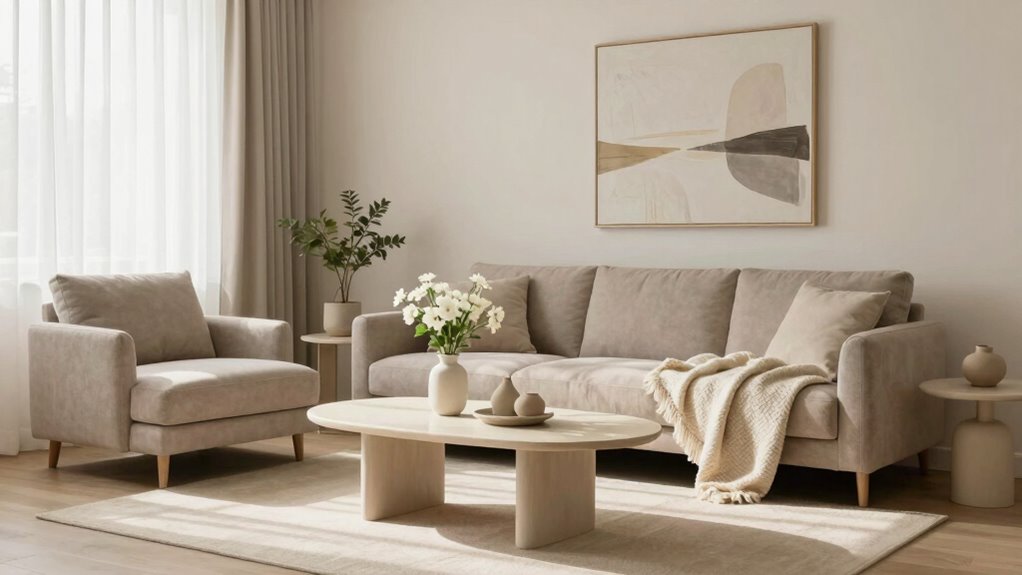
Creating a calm environment in home care is essential for promoting comfort and well-being. When you design a space that feels peaceful, you help reduce stress and anxiety, making daily life more manageable for those you’re caring for. One way to achieve this is through thoughtful sensory stimulation—using subtle, soothing inputs that engage the senses without overwhelming. Gentle lighting, soft textures, and calming sounds can all support a sense of safety and serenity. You don’t want your loved ones to feel overstimulated or restless, so selecting sensory elements that promote relaxation is key.
Creating a peaceful space reduces stress and promotes comfort through gentle sensory stimulation and calming design choices.
Color psychology plays a crucial role in shaping the atmosphere of a home care space. By choosing colors thoughtfully, you can influence mood and emotional responses. Cool tones like blues and greens are known for their calming qualities, helping to lower blood pressure and heart rate. Warm neutrals, such as beige and soft taupe, create a cozy, inviting environment without stimulating too many senses at once. Bright, vibrant colors may seem cheerful, but they can also be distracting or overstimulating for someone who needs a peaceful setting. Instead, you focus on muted shades and harmonious color combinations that foster tranquility and stability.
Your choice of colors doesn’t have to be limited to walls—think about furniture, decor, and accessories. Soft, plush cushions or curtains in calming hues can make the space more inviting. Even small details, like choosing artwork with subdued tones, can contribute to a more peaceful atmosphere. The goal is to craft a space that feels consistent and predictable, reducing visual chaos that might trigger discomfort or confusion. When you master the use of color psychology, you create an environment that gently supports emotional health and promotes restful states.
In terms of sensory stimulation, avoid chaotic or overly stimulating elements that can lead to agitation. Instead, opt for natural textures—think smooth wood, soft fabrics, and gentle lighting that mimics natural daylight. Incorporate elements from nature, like plants or water features, which can have a soothing effect. Incorporating natural elements can further enhance the calming environment by connecting indoors with the outdoor world. Understanding sensory input and its impact on mood can help tailor environments that are both comforting and functional. Being mindful of sensory overload in the space ensures that you create an environment that remains peaceful and supportive. When you combine these sensory strategies with intentional color choices, you craft a home that nurtures calmness and security. It’s not just about aesthetics; it’s about understanding how different stimuli influence mood and behavior.
Ultimately, the way you approach calm design in home care directly impacts the quality of life for your loved ones. By paying close attention to sensory stimulation and applying principles of color psychology, you create a space that fosters peace, reduces anxiety, and encourages comfort. This thoughtful environment isn’t just a matter of style—it’s an essential part of compassionate, effective care.

YUNLEX 2 Pack Amber Night Light Plug into Wall, Eye-Care Glow for Kids
- Adjustable 3-Level Brightness: Select Low, Medium, or High brightness
- Diffused Amber Glow: Evenly reflects warm, soothing light
- Dusk-to-Dawn Sensor: Automatically turns on/off with ambient light
As an affiliate, we earn on qualifying purchases.
As an affiliate, we earn on qualifying purchases.
Frequently Asked Questions
How Does Calm Design Impact Patient Recovery Times?
Calm design considerably speeds up patient recovery times by enhancing patient comfort through thoughtful spaces. By applying principles of environmental psychology, you reduce stress and promote relaxation, which helps the body heal faster. Quiet colors, natural light, and clutter-free environments create a soothing atmosphere that supports mental well-being. When you prioritize calm design, you’re actively fostering an environment that encourages quicker recovery and improves overall health outcomes.
Can Calm Design Reduce Caregiver Stress and Burnout?
Calm design can markedly reduce caregiver stress and burnout by creating a soothing environment that promotes caregiver well-being. When your space incorporates gentle colors, natural light, and clutter-free areas, it helps with stress management and keeps you focused. These calming elements foster a sense of control and relaxation, making caregiving more manageable. Ultimately, a peaceful home design supports your mental health, allowing you to provide better care without feeling overwhelmed.
What Are Affordable Calm Design Options for Small Homes?
You can create an affordable calm design in a small home by choosing soothing color palettes like soft blues, greens, or neutrals, which promote relaxation. Opt for furniture simplicity—think streamlined, multifunctional pieces that reduce clutter and make spaces feel open. Adding cozy textiles and minimal decor enhances tranquility without breaking the bank. These simple choices help foster a peaceful environment for both caregivers and loved ones.
How Do Cultural Differences Influence Calm Design Choices?
Like the threads in a tapestry, cultural aesthetics shape calm design choices, influencing traditional decor and ambiance. You should consider these cultural nuances, as they foster comfort and familiarity, vital in home care. Embracing cultural differences allows you to tailor spaces that resonate emotionally, promoting peace and well-being. By honoring diverse traditions, you create environments that feel authentic, respectful, and soothing, enhancing the overall calming effect for those receiving care.
Are There Specific Materials Best Suited for Calm Home Environments?
You should choose natural materials like wood, stone, and bamboo for a calm home environment, as they create soothing textures that promote relaxation. These materials not only add warmth and authenticity but also foster a sense of tranquility. Avoid overly shiny or synthetic surfaces, which can be disruptive. Incorporating natural textures helps craft a peaceful space, essential for comfort and well-being, especially in home care settings.

10 Pcs Dried Eucalyptus Stems 17" Real Eucalyptus for Shower Hanging
- Includes 10 Eucalyptus Stems: 17-inch natural dried eucalyptus stems
- Activates Scent Easily: Vigorously slap to release aroma
- Customer Support Available: Assistance for scent and quality concerns
As an affiliate, we earn on qualifying purchases.
As an affiliate, we earn on qualifying purchases.
Conclusion
Imagine walking into a room where everything feels just right—calm colors, gentle lighting, and clutter-free surfaces. That’s the power of calm design in home care. It’s like a steady anchor in a storm, helping your loved ones feel safe and at ease. Studies show that calm environments reduce stress and improve well-being. So, investing in thoughtful design isn’t just about looks; it’s about creating a sanctuary where healing and comfort can truly thrive.

Hulameda 2Pcs Acrylic Paint Palette with Thumb Hole for Adults or Kids
- Set Includes Two Palettes: Two acrylic palettes in different sizes
- High-Quality Material: Made of durable, smooth acrylic
- Easy to Clean & Reusable: Smooth surface for simple cleaning
As an affiliate, we earn on qualifying purchases.
As an affiliate, we earn on qualifying purchases.

Magicteam Sound White Noise Machine with 20 Non Looping Natural Soothing Sounds and Memory Function 32 Levels of Volume Powered by AC or USB and Sleep Sound Timer Therapy for Baby Kids Adults
- 20 Non-Looping Soothing Sounds: Includes white, pink, brown, blue noise, and nature sounds
- Adjustable Volume and Timer: 32 volume levels and multiple timer options
- Portable and Compact Design: Small size for home, office, or travel use
As an affiliate, we earn on qualifying purchases.
As an affiliate, we earn on qualifying purchases.