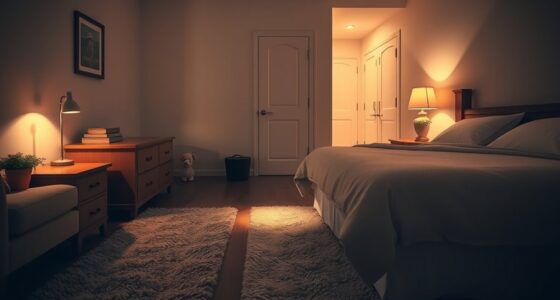
To reduce nighttime fall risks in bedrooms and bathrooms, add nightlights or motion-activated lighting to brighten key areas without disturbing sleep. Install grab bars and non-slip mats in bathrooms. Keep pathways clear and well-lit, and make certain light switches are easy to reach. Use warm-colored bulbs to reduce eye strain. Regularly check and update safety features to match your needs. For more practical tips on creating a safer home, explore further solutions that make nighttime navigation easier.
Play games included with Prime
Start a Prime free trial and play with Amazon Luna on your devices.
As an affiliate, we earn on qualifying purchases.
Key Takeaways
- Install nightlights or motion-activated lighting to ensure clear visibility in bedrooms and bathrooms at night.
- Add grab bars and non-slip mats to improve stability and prevent slips or falls on wet surfaces.
- Keep essential items within easy reach to avoid unnecessary movement in darkness.
- Maintain clear, unobstructed pathways free of clutter and tripping hazards.
- Use warm, consistent lighting to reduce shadows and eye strain, enhancing safety during nighttime navigation.
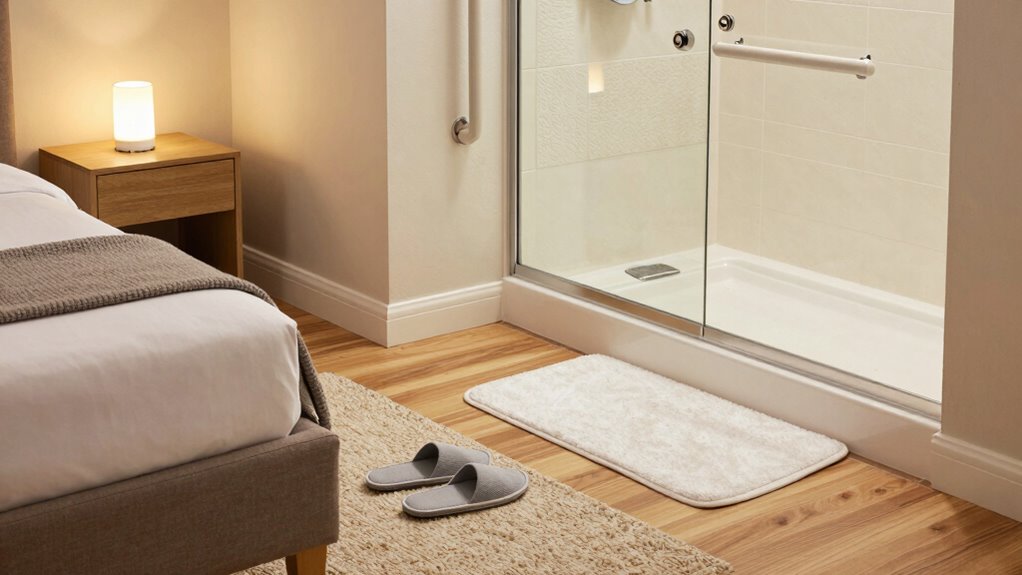
Are you worried about falling in the dark? Nighttime falls are common, especially in areas like bedrooms and bathrooms, where shadows and poor visibility increase the risk. To reduce this danger, focus on lighting improvements that can make a significant difference. Install nightlights or motion-activated lights in key spots, such as near beds, along hallways, and inside bathrooms. These lights turn on automatically when you move, providing enough illumination to see where you’re going without disturbing your sleep. Bright, consistent lighting helps you navigate safely, reducing the chance of tripping over furniture or slipping on wet surfaces. Consider using warm-colored bulbs, which are gentle on the eyes and won’t disrupt your sleep cycle.
In addition to lighting, improving bathroom accessibility is vital. Bathrooms are often hazardous at night because of slippery floors, sharp edges, and the need to reach for fixtures in the dark. To make this space safer, add grab bars near the toilet and inside the shower or bathtub. Non-slip mats or adhesive strips on the floor provide extra grip, preventing slips when you step out of the shower or get up from the toilet. You might also consider installing a higher toilet seat or a commode chair to reduce the effort needed to sit and stand. Keep essentials like soap, towels, and toilet paper within easy reach, so you don’t have to stretch or search in low light. Incorporating lighting design principles can further enhance safety and visibility by reducing shadows and creating a more balanced environment. Additionally, paying attention to indoor air quality can help prevent issues like dust or mold that may contribute to discomfort and hazards in the home. Improving overall home safety features can also make nighttime navigation easier and more secure, especially when combined with adequate lighting and accessibility modifications.
motion sensor nightlights for bedroom and bathroom
As an affiliate, we earn on qualifying purchases.
As an affiliate, we earn on qualifying purchases.
Frequently Asked Questions
Are There Specific Lighting Types Best for Reducing Falls?
Yes, smart lighting with motion sensors is best for reducing falls at night. They automatically turn on when you enter a room, providing sufficient illumination without fumbling for switches. Use warm, soft LED bulbs that reduce glare and shadows, making it easier to see where you’re walking. These lights can be programmed for specific times or triggers, ensuring your pathways stay lit and safe throughout the night.
How Can I Make My Bathroom Safer Without Major Renovations?
You can make your bathroom safer without major renovations by adding bathroom rugs with non-slip backing to prevent falls. Install grab bars near the toilet and in the shower or tub area for extra support. Keep the floor dry and clutter-free to reduce tripping hazards. These simple changes offer stability and safety, helping you move confidently during nighttime or in low light conditions.
What Medications Increase Nighttime Fall Risk?
You might not realize it, but some medications increase your nighttime fall risk due to medication interactions and side effect management issues. Drugs like sedatives, antidepressants, antihistamines, and blood pressure medications can cause dizziness, confusion, or lowered blood pressure. Always consult your doctor about your medications, and report any side effects. Proper medication management can reduce these risks, helping you stay safer during those nighttime trips.
How Often Should Safety Equipment Be Checked or Replaced?
You should check your safety equipment, like alarm systems and non-slip mats, at least once a month to guarantee they’re working properly. Replace alarm batteries annually or if they malfunction. Non-slip mats should be replaced if they show signs of wear, tears, or lose their grip. Regular inspections help prevent falls by ensuring safety devices function correctly when you need them most.
Are There Assistive Devices Effective for Nighttime Safety?
Assistive technology is a game-changer for nighttime safety; it drastically reduces fall risks, almost like turning darkness into daylight. Devices like motion-activated lights, grab bars, and bedside emergency call buttons are highly effective. Fall prevention strategies involving these assistive devices help you move confidently during the night, minimizing hazards. Using these tools consistently can make your bedroom and bathroom much safer, giving you peace of mind and independence.
As an affiliate, we earn on qualifying purchases.
Conclusion
By keeping pathways clear, installing proper lighting, and securing loose rugs, you create a safer environment. By removing obstacles, adjusting lighting levels, and maintaining clear floors, you reduce hazards. By staying vigilant, making thoughtful modifications, and practicing caution, you lower your risk of nighttime falls. These simple steps help you walk safely in the dark, protect your well-being, and preserve your independence—because safety at night begins with awareness, action, and a commitment to prevention.
As an affiliate, we earn on qualifying purchases.
As an affiliate, we earn on qualifying purchases.
Fall Picks
fall essentials
As an affiliate, we earn on qualifying purchases.