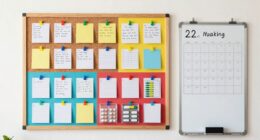
When you’re discharged, ask your healthcare team about your medication schedule, potential side effects, and if you need to take any meds with food. Confirm follow-up appointment details, necessary tests, and signs that require urgent care. Clarify activity restrictions, dietary needs, and when to resume routines. Make sure you understand your care plan, privacy policies, and available technology tools. Asking these questions helps you stay confident and in control during your recovery—there’s more to reflect on as you prepare to heal.
Key Takeaways
- Clarify medication schedules, dosages, potential side effects, and interactions with other drugs or foods.
- Confirm follow-up appointment details, required tests, and signs indicating urgent care.
- Understand activity restrictions, dietary needs, and warning symptoms to watch for during recovery.
- Learn about privacy policies, data security, and the use of health information sharing.
- Prepare questions about home healthcare technology, care plan details, and support resources.

Getting discharged from the hospital marks the beginning of your recovery at home, but it’s also a crucial time to make certain you understand your care plan. One of the most important aspects of that plan is medication management. You need to ask your healthcare provider about the correct dosages, timing, and any potential side effects of your medications. Clarify whether you should take your medicines with food or on an empty stomach, and find out how to handle missed doses. If you’re prescribed multiple medications, ask for a clear schedule or list to help you keep track. Knowing exactly what to take and when helps prevent confusion and reduces the risk of medication errors. Also, inquire about any interactions between your medications and other substances like over-the-counter drugs, supplements, or certain foods.
Equally crucial are follow-up appointments. Don’t assume that your discharge summary includes all the necessary follow-up steps. Ask your healthcare provider when your next appointment should be, and what you need to prepare for it. Confirm whether you need any specific tests or labs before your next visit, and clarify how to get in touch if you experience new or worsening symptoms. It’s also wise to ask if there are signs or symptoms that should prompt you to seek urgent care before your scheduled follow-up. This way, you avoid surprises and ensure you’re proactive about your health. Being aware of patient engagement can help you stay involved in your recovery process and make informed decisions. Additionally, understanding how sound healing science can contribute to your mental and emotional well-being might provide complementary support during your recovery. Remember that medication management can be complex, and asking for clarification can help you avoid potential complications.
Beyond medication management and follow-up appointments, make sure you understand your activity restrictions. Ask how much activity is safe, and when you can gradually resume daily routines. Discuss any physical therapy or home care services you might need, and clarify how to access them. Nutrition is another key topic—find out if you need to follow a special diet or avoid certain foods. Don’t hesitate to ask about warning signs specific to your condition, like abnormal pain, fever, or unusual swelling, so you can act swiftly if necessary. Additionally, understanding privacy policies and how your health data is handled can help you feel more secure and informed about your personal information. If you have concerns about how your information is stored or shared, don’t hesitate to ask your healthcare provider for details. Furthermore, asking about the latest advances in home healthcare technology might help you utilize tools that support your recovery.
Finally, keep a list of questions or concerns to bring up during your follow-up visits. Staying engaged and informed helps you take control of your recovery. Remember, your healthcare team is there to support you—so ask questions until you feel confident about your care plan. Clear communication today ensures a smoother recovery tomorrow.

Daviky Pill Organizer 4 Times a Day – Pill Box 7 Day, Large Weekly Medicine Pill Organizer for Travel with Removable Individual Containers, Pill Case to Hold Daily Vitamins, Supplements and Medication
Carry More but Portable – Overall 8''x 5''x 1.4'' and 4.8" x 1.2" x 1'' for each compartment,…
As an affiliate, we earn on qualifying purchases.
As an affiliate, we earn on qualifying purchases.
Frequently Asked Questions
How Do I Handle Medication Side Effects at Home?
If you experience medication side effects at home, start by noting their severity and any patterns. Contact your healthcare provider promptly to discuss these side effects and potential medication interactions. Follow their advice for side effect management, which might include adjusting dosages or switching medications. Keep a detailed list of your symptoms and medications to help your provider make informed decisions. Never stop or alter your medication without professional guidance.
What Signs Indicate I Should Seek Emergency Care?
Think of your body as a car, and post-discharge complications as warning lights on the dashboard. If you notice severe chest pain, difficulty breathing, sudden weakness, confusion, or heavy bleeding, these are warning signs that demand emergency care. Don’t ignore persistent high fever or severe pain. Trust your instincts—if something feels seriously wrong, seek emergency help immediately to prevent further complications and keep yourself safe.
How Can I Manage Mobility Issues During Recovery?
To manage mobility issues during recovery, you should use mobility aids like canes or walkers to support your movement. Follow your healthcare provider’s recommendations for physical therapy, which can improve strength and coordination. Keep your environment safe by removing tripping hazards and ensuring proper lighting. Regularly practice the exercises from your therapy sessions and communicate any difficulties to your doctor to adjust your plan as needed.
Who Can I Contact for Mental Health Support Post-Discharge?
Think of your mental health as a garden needing care to thrive. You can reach out to mental health counseling services for personalized support, like tending your plants. Support group referrals act as community gardens, offering shared understanding and encouragement. Contact your healthcare provider or local mental health organizations to find these resources. Remember, seeking help is a strong step toward healing and maintaining your emotional well-being.
Are There Community Resources Available for Ongoing Assistance?
Yes, there are community programs and support groups that can provide ongoing assistance. You can reach out to local health departments or community centers to find programs tailored to your needs. Support groups offer emotional support and practical advice from others with similar experiences. These resources can help you stay on track with your recovery, connect with others, and access additional services as needed, making your progression smoother.
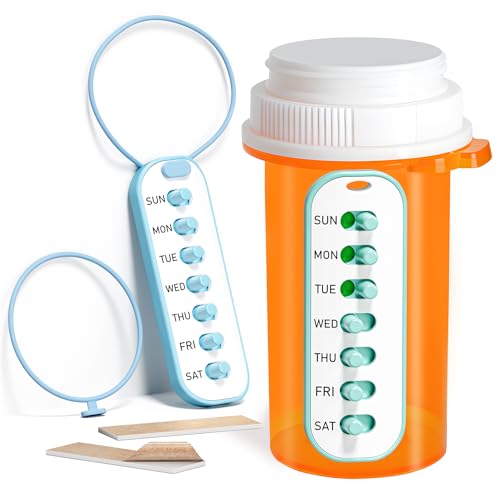
Odaro 2 Pack Pill Reminder, Lanyad or Sticker Pill Tracker, Work with Most Bottles, Reusable Medication Tracker Replacement of Vitamin Weekly (7 Day) Medicine Organizer
Say Goodbye to Missed Doses: Keep your health on track with a pill tracker that's easy to use…
As an affiliate, we earn on qualifying purchases.
As an affiliate, we earn on qualifying purchases.
Conclusion
Now that you’re heading home, don’t forget—these questions are your key to peace of mind. Imagine opening the door, knowing you’ve got every detail covered, every concern addressed. But what if something unexpected happens? Will you recognize the signs? Ask, clarify, prepare—because your health’s future depends on it. Stay vigilant, stay informed, and stay one step ahead. The next step is yours—are you ready to take it confidently?
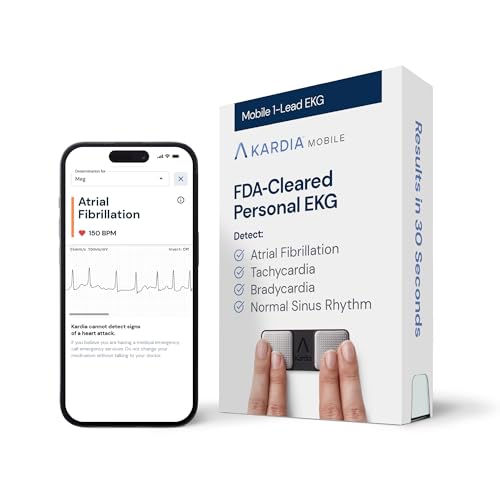
KardiaMobile 1-Lead EKG Monitor, Medical-Grade FDA-Cleared Personal Heart Monitor, Detects Normal, AFib & Arrhythmias, 30 Second Results, Works with Most Smartphones, HSA&FSA Eligible
On-the-Go Accurate EKG: Capture a single lead medical-grade electrocardiogram in just 30 seconds with the pocket-sized KardiaMobile EKG…
As an affiliate, we earn on qualifying purchases.
As an affiliate, we earn on qualifying purchases.
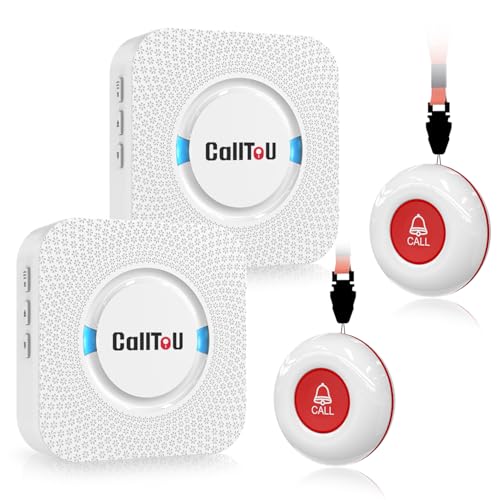
CallToU Wireless Caregiver Pager Smart Call System 2 SOS Call Buttons/Transmitters 2 Receivers Nurse Calling Alert Patient Help System for Home/Personal Attention Pager 500+Feet Plugin Receiver
[ Wireless Guard ] 2 Receiver 2 Call Button. Allow caregivers and residents to be free while ensuring…
As an affiliate, we earn on qualifying purchases.
As an affiliate, we earn on qualifying purchases.