
To talk with your family before a crisis, create a safe space where everyone feels comfortable sharing concerns. Focus on teamwork rather than problems, and encourage open, honest dialogue about practical steps and emotional feelings. Use clear communication and accessible resources to build understanding. Regularly revisit these conversations to reinforce readiness and trust. If you want to learn more about effective ways to prepare your family, keep exploring these helpful strategies.
Key Takeaways
- Create a safe, open environment for honest family discussions about emergency preparedness.
- Address both practical steps and emotional responses to build confidence and reduce anxiety.
- Use clear communication and calming techniques to ensure everyone understands and feels supported.
- Encourage questions and transparency to foster trust and collective responsibility.
- Regularly review and update emergency plans to reinforce readiness and teamwork.

Starting a conversation with your family about potential crises might feel uncomfortable, but addressing these issues before they happen can make a significant difference when time matters most. The key is to approach the topic with emotional awareness, understanding that everyone’s feelings and perspectives matter. When you’re aware of each family member’s emotional responses, you can navigate the discussion with empathy and patience, making it easier to find common ground. These conversations aren’t about predicting disasters but rather about preparing yourselves mentally and practically for unexpected events.
Discussing potential crises early fosters preparedness with empathy, patience, and shared responsibility for your family’s safety.
Future planning becomes the central focus, and it’s crucial to keep that in mind. You want your family to be equipped with the knowledge and strategies to handle emergencies confidently. Start by creating a safe space where everyone feels comfortable sharing their concerns and ideas. Avoid framing the conversation as a list of problems; instead, talk about working together as a team to ensure everyone’s safety and well-being. This helps reduce anxiety and encourages open dialogue.
When discussing future planning, consider talking about practical steps—like establishing emergency contacts, preparing supplies, or deciding on a meeting point. But don’t forget to address emotional preparedness too. Ask your family how they feel about potential crises, and listen carefully. Recognize that some family members may feel anxious or overwhelmed, and validate their emotions rather than dismissing them. This emotional awareness helps you gauge how much information to share and how to present it in a reassuring way. Additionally, understanding the importance of digital content can help you access reliable information and resources to support your planning. Being aware of auditory processing techniques can also help you communicate more clearly and ensure everyone understands the plans effectively.
It’s also beneficial to understand how contrast ratio in projectors can affect visual clarity, which is a helpful analogy for understanding how clear communication impacts family preparedness. It can also be useful to incorporate calming sound healing techniques or music to ease tension during these conversations, making it easier for everyone to stay engaged. It’s also important to set aside time for these conversations, instead of rushing through them in the heat of the moment. Regularly revisiting the topic can reinforce your family’s readiness and build confidence. During these discussions, emphasize that everyone’s role is essential—each person’s input can make the plan more thorough and effective. Encourage questions and be honest about what you don’t know; transparency fosters trust and cooperation.
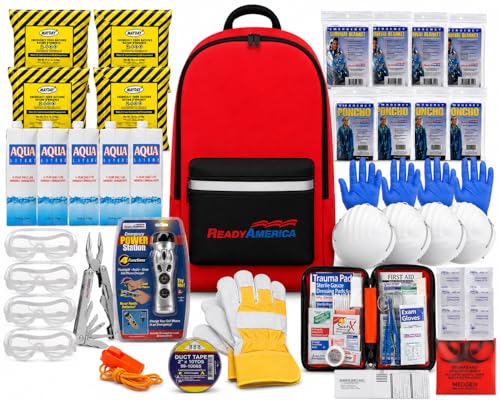
Ready America 72 Hour Deluxe Emergency Kit, 4-Person 3-Day Backpack, First Aid Kit, Survival Blanket, Power Station, Emergency Food, Portable Disaster Preparedness Go-Bag for Earthquake, Fire, Flood
COMPLETE 4 PERSON 72 HOUR EMERGENCY KIT: Designed to support four people for up to three days during…
As an affiliate, we earn on qualifying purchases.
As an affiliate, we earn on qualifying purchases.
Frequently Asked Questions
How Do I Start Difficult Family Conversations Effectively?
Start difficult family conversations by creating a safe space where everyone feels heard. Use effective listening by giving your full attention and avoiding interruptions. Show empathy by acknowledging their feelings without judgment, which helps build trust. Keep your tone calm and respectful, and focus on understanding rather than blaming. Asking open-ended questions encourages dialogue, making it easier to navigate sensitive topics and find common ground.
What Topics Should I Avoid During Pre-Crisis Discussions?
You should avoid topics like financial concerns and personal beliefs during pre-crisis discussions. These areas can trigger strong emotions or disagreements, making future crises harder to manage. Instead, focus on general well-being and shared values. Steering clear of sensitive subjects guarantees conversations stay constructive, keeping relationships healthy. Remember, the goal is to build understanding and trust, not to provoke conflict that could worsen during a crisis.
How Can I Encourage Reluctant Family Members to Participate?
Think of encouraging reluctant family members as planting seeds in a garden. You build trust and nurture emotional readiness by patiently listening and sharing your own experiences. Gently invite participation, emphasizing their importance in the family’s safety and unity. Over time, as trust grows, they’ll feel more comfortable opening up. Consistent, empathetic conversations create a safe space, helping even the most hesitant family members to engage willingly when it counts most.
What Are Signs My Family Is Unprepared for a Crisis?
You’ll notice signs your family is unprepared, like lack of financial preparedness, such as no emergency fund or insurance, and low emotional resilience, like panic or denial during stress. If family members avoid discussing plans or dismiss concerns, it signals they’re not ready for a crisis. Address these issues early by encouraging open conversations about finances and emotional support, helping everyone build confidence and resilience before an emergency occurs.
How Often Should We Revisit Our Family Emergency Plans?
You should revisit your family emergency plans at least once a year, especially if there are significant life changes. Regularly updating your financial planning details and emergency contacts guarantees everyone stays informed and prepared. Conducting these reviews annually helps identify gaps, adapt to new circumstances, and reinforce everyone’s understanding of the plan. This proactive approach keeps your family ready, reducing stress and confusion when a crisis unexpectedly strikes.
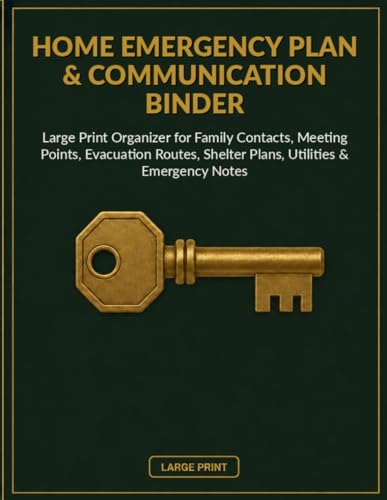
Home Emergency Plan & Communication Binder: Large Print Organizer for Family Contacts, Meeting Points, Evacuation Routes, Shelter Plans, Utilities & Emergency Notes
As an affiliate, we earn on qualifying purchases.
As an affiliate, we earn on qualifying purchases.
Conclusion
Talking with your family before a crisis is like planting seeds in a garden—you nurture trust and understanding now so, when storms come, you’re ready to weather them together. Open, honest conversations build a sturdy foundation that can support even the heaviest burdens. Don’t wait for the thunder to roll; start the dialogue today and watch your relationships bloom, resilient and rooted in care. Remember, a prepared family is a fortress built on love and communication.

BAND-AID Brand All-Purpose Portable Compact First Aid Kit for Minor Cuts, Scrapes, Burns & Aches, Wound Care Essentials for Home, Car, Dorm, Travel, Cruise, Camping & Outdoor Emergency Kit, 160 Piece
Be prepared for anything: All-Purpose Portable Compact First Aid Kit by BAND-AID Brand delivers an assortment of 160…
As an affiliate, we earn on qualifying purchases.
As an affiliate, we earn on qualifying purchases.

Collapsible Portable LED Camping Lantern XTAUTO Lightweight Waterproof Solar USB Rechargeable LED Flashlight Survival Kits for Indoor Outdoor Home Emergency Light Power Outages Hiking Hurricane 4-Pack
【360° Lighting Coverage】Adopts 6+1 high-intensity LED chips, energy efficient/with wide range of visibility. Doubles as both a lantern…
As an affiliate, we earn on qualifying purchases.
As an affiliate, we earn on qualifying purchases.