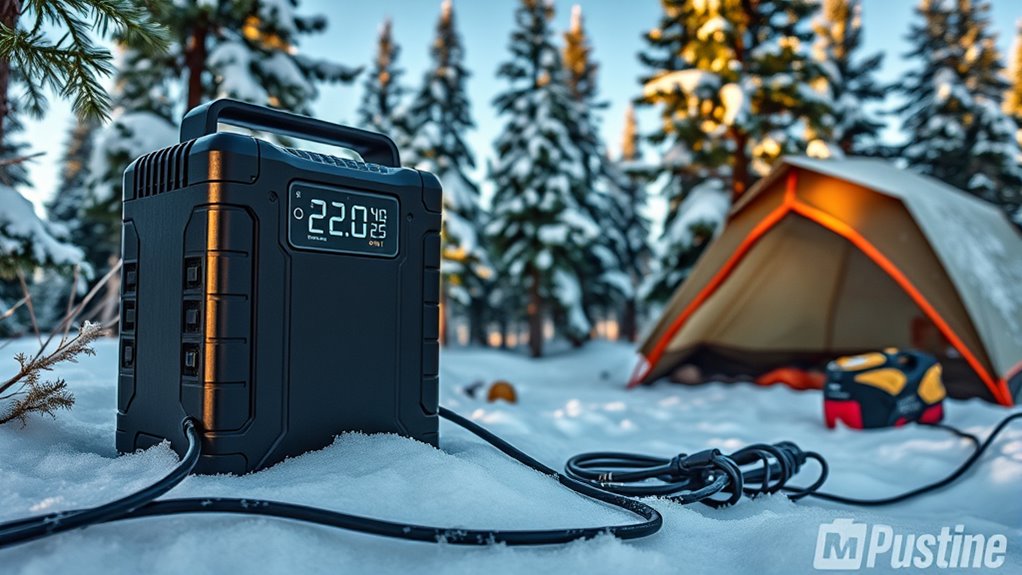

When choosing a portable power station for low temperature environments, the key concern is maintaining reliable performance in cold conditions. The Anker SOLIX S2000 stands out as the best overall choice thanks to its robust LiFePO4 battery that handles cold better than standard lithium. The Jackery Explorer 1000 v2 offers a balance of capacity and reliability for outdoor use, while the EF ECOFLOW DELTA Pro excels in high power output and fast charging, even in chilly weather. However, these options often involve tradeoffs such as increased weight, higher cost, or limited runtime at extreme cold. Continue reading for a detailed breakdown of each option and what to look for when selecting a power station for low temperatures.

Get health and wellness essentials delivered free with Prime
- Fast, free delivery on millions of items
- Prime Video, Amazon Music and more included
- Member-only deals all year
Complete the kit


Key Takeaways
- LiFePO4 batteries provide better cold weather performance compared to standard lithium-ion, making them a common feature among top picks.
- Higher capacity units like the EcoFlow DELTA Pro are more suitable for extended cold weather use but tend to be heavier and pricier.
- Portable power stations with robust build quality and temperature management features show more consistent performance in low temperatures.
- Fast charging capabilities in cold environments are less common but can be essential for emergency scenarios.
- Choosing a model with expandability or backup options ensures reliable power during prolonged cold spells or remote outdoor use.


| portable power station low temperature operation | Capacity | Battery Type | Weight | AC Outlets |
|---|---|---|---|---|
| Anker SOLIX S2000 Portable Pow | 2,010Wh | 314Ah LiFePO4 (LFP) | 35.7 lbs | — |
| Jackery Explorer 1000 v2 Porta | 1,070Wh | LiFePO4 (LFP) | 23.8 lbs | — |
| Jackery Portable Power Station | 292Wh | — | 7.5 lbs | 2 |
| EF ECOFLOW Portable Power Stat | — | LiFePO4 | — | 5 |
| Anker Portable Power Station S | 288Wh | — | — | 3 |
| Jackery HomePower 3600 Plus Po | 3584Wh, expandable to 21kWh | — | Lightweight, 34% smaller and lighter than comparable models | — |
| EF ECOFLOW Delta 3 Portable Po | — | LiFePO4 | — | — |
| Jackery Explorer 2000 v2 Porta | — | — | — | 3 |
More Details on Our Top Picks
Anker SOLIX S2000 Portable Power Station, 2,010Wh LiFePO4 Battery, 1,500W Output, Home Backup & UPS
The Anker SOLIX S2000 stands out for its impressive capacity and exceptional cycle life, making it ideal for extended low-temperature use without frequent recharges. Compared to the Jackery Explorer 1000 v2, it offers nearly double the capacity and a longer lifespan, which is essential in cold environments where battery degradation can accelerate. Its 10,000 cycles and 15-year lifespan mean fewer replacements, even in harsh conditions. However, its solar input is limited to 400W, which may slow recharging in remote, cold settings. The absence of a 12V DC port might limit some setups, but its seamless UPS switchover and compact size reinforce its suitability for home backup and outdoor resilience. This pick makes the most sense for users prioritizing longevity and reliable low-temperature operation.
Pros:- Exceptional cycle life with 10,000 cycles and 15-year lifespan
- High capacity of 2,010Wh suitable for fridge backup and home essentials
- Smallest and lightest in its class at 35.7 lbs, easing portability
Cons:- Limited solar input at 400W may slow recharging in remote areas
- No 12V DC port reduces compatibility with some devices
Best for: Homeowners or outdoor enthusiasts needing a durable, long-lasting power source in cold conditions
Not ideal for: Users requiring high wattage or faster solar input, as the 400W limit could hamper rapid recharging
- Capacity:2,010Wh
- Battery Type:314Ah LiFePO4 (LFP)
- Cycle Life:10,000 cycles (15-year lifespan)
- Continuous Output:1,500W
- Peak Output:3,000W
- Dimensions:8.2 x 11.1 x 12.7 in
- Weight:35.7 lbs
- Solar Input:Up to 400W
- Idle Power Draw:6W
Our verdict“This is an excellent choice for those seeking a resilient, long-lasting power station capable of low-temperature operation and home backup use.”
Jackery Explorer 1000 v2 Portable Power Station, 1070Wh LiFePO4 Battery, 1500W Output, Solar Generator for Camping, Emergency, RV
The Jackery Explorer 1000 v2 offers a solid balance of capacity and portability, making it suitable for outdoor use where low temperatures might challenge lesser units. Its 1,070Wh capacity and 1,500W continuous output can run most small appliances and even some fridges, though it compares less favorably to the Anker SOLIX S2000 in terms of overall capacity and lifespan. The fast-charging feature, achieving 100% in just about an hour via the app, is convenient for emergency scenarios. Its LiFePO4 battery provides over 4,000 cycles, ideal for prolonged outdoor deployments. However, the solar panel is not included, and solar compatibility is limited to Jackery panels, which could restrict options in colder, off-grid environments. This model suits outdoor adventurers who need reliable, portable power in moderate cold conditions.
Pros:- Fast recharging—about one hour to full capacity via app control
- Long battery life with over 4,000 cycles and 10+ years of use
- Lightweight at 23.8 lbs with versatile ports including 100W USB-C
Cons:- Solar panel not included, and only compatible with Jackery panels
- Limited capacity for larger appliances compared to bigger units like the EF ECOFLOW DELTA Pro
Best for: Campers and outdoor travelers needing lightweight, fast-charging power with decent capacity
Not ideal for: Users requiring high capacity or fast recharging without additional accessories, as solar options are limited and panel costs extra
- Capacity:1,070Wh
- AC Output:1,500W (3,000W surge)
- Battery Type:LiFePO4 (LFP)
- Weight:23.8 lbs
- USB-C Output:100W PD
- Charging Time:1 hour (emergency mode)
- Battery Lifespan:4,000+ charge cycles
- Solar Compatibility:Jackery solar panels only
Our verdict“This is a practical choice for outdoor users seeking a portable, fast-charging, moderate-capacity power station for cold conditions.”
Jackery Portable Power Station Explorer 300, 292Wh Backup LiFePO4 Battery, Solar Generator for Outdoors Camping Travel Hunting
The Explorer 300 is tailored for light outdoor activities, with a 292Wh capacity and a weight of just 7.5 lbs, making it easy to carry in cold environments where lightweight gear matters. Its LiFePO4 battery supports over 4,000 cycles, ensuring durability in prolonged outdoor use. While it can’t power high-wattage devices, its multiple outlets including USB-C and AC make it versatile for small electronics and emergency needs. Compared to larger units like the EF ECOFLOW DELTA Pro, it sacrifices capacity for portability. Its solar recharging capability is compatible with most panels, but it’s limited to 300W continuous output, which may restrict use with more demanding devices in low temperatures. This model suits solo campers and hikers needing reliable, lightweight power in mild cold conditions.
Pros:- Extremely lightweight and portable at 7.5 lbs
- Supports over 4,000 charge cycles for durability
- Multiple charging options, including solar
Cons:- Limited to 292Wh, not suitable for high-wattage appliances
- Requires separate purchase of solar panels for recharging
Best for: Backcountry travelers and casual campers needing compact, durable power for small devices
Not ideal for: Power users needing to run large appliances or in very cold environments where capacity and power are critical
- Weight:7.5 lbs
- Capacity:292Wh
- AC Outlets:2
- USB-C PD Port:1
- USB-A Ports:2
- Car Port:120W
- Rated Output:300W
- Charge Cycles:over 4,000
Our verdict“This is a great lightweight power solution for outdoor adventurers in mild cold conditions who prioritize portability.”
EF ECOFLOW Portable Power Station 3600Wh DELTA Pro, 120V AC Outlets x 5, 3600W, Fast Charge, Solar Generator for Home, Camping, RV, Emergencies
The EF ECOFLOW DELTA Pro excels in providing massive capacity and high power output, making it suitable for prolonged low-temperature home backup or large outdoor setups. Its 3600Wh capacity surpasses most competitors, including the Anker SOLIX S2000, and supports expansion for even greater power. Its fast charging in under three hours and multiple input options, including solar, make it adaptable for cold environments where recharging might be slow. The smart app control allows remote management, which is advantageous in frigid conditions where frequent physical access might be inconvenient. The main tradeoff is its weight and size, which reduce portability. Also, to maximize capacity, additional batteries and panels are necessary, increasing overall cost and setup complexity. This product is best suited for users with significant power needs, such as home backup in cold climates.
Pros:- Massive 3600Wh capacity ideal for home backup
- Fast charging in under three hours with multiple input options
- Expandable with additional batteries and solar panels
Cons:- Heavy and bulky, limiting portability
- Higher initial investment and complexity for expansion
Best for: Home users requiring large, expandable capacity for cold-weather backup and outdoor use
Not ideal for: Portable adventurers needing lightweight, compact units, as this is heavy and less portable
- Battery Capacity:3600Wh
- Battery Type:LiFePO4
- AC Outlets:5
- Maximum Output:3600W
- Fast Charge Time:2.7 hours
- Input Options:Solar, wall, EV, car, generator
- Expansion Capacity:Up to 25kWh
- App Control:Yes
Our verdict“This is an excellent choice for those needing substantial, reliable power in cold environments, especially for home backup scenarios.”
Anker Portable Power Station SOLIX C300, 288Wh LiFePO4 Backup Battery, 300W Solar Generator
The Anker SOLIX C300 offers a compact and lightweight solution with 288Wh capacity, making it ideal for emergency kits and outdoor trips in cold weather where space and weight are limited. Its 300W continuous power output supports essential small devices, and its multiple ports including dual USB-C (140W each) and AC outlets provide flexibility. Its fast recharge time—around 68 minutes to 80%—ensures readiness for quick turnaround in chilly conditions. Compared with larger units like the EF ECOFLOW DELTA Pro, it sacrifices capacity but gains portability. However, it’s not suitable for high-wattage appliances or extended power needs, especially in very cold environments where battery performance can diminish. Its solar recharging requires compatible panels, which are sold separately. This pick is perfect for outdoor enthusiasts seeking reliable, small-scale power in cold weather.
Pros:- Extremely portable at just over 4 kg
- Fast recharging via wall or solar panels
- Supports multiple device types with versatile ports
Cons:- Limited to 288Wh, not suitable for large appliances
- Requires separate purchase of solar panels for recharging
Best for: Travelers and emergency preparedness users needing lightweight, reliable backup power
Not ideal for: Power-intensive applications or prolonged use in very cold climates, due to limited capacity and output
- Capacity:288Wh
- Power Output:300W (600W surge)
- Number of Outlets:8
- USB-C Ports:2 (140W each)
- USB-A Ports:1
- AC Outlets:3
- Charge Time:68 minutes to 80%
- Battery Cell Type:LiFePO4
Our verdict“This is an excellent compact power station for outdoor adventures or emergency use where space and weight are concerns in cold weather.”
Jackery HomePower 3600 Plus Portable Power Station, 3600W AC Output, 3584Wh LFP Solar Generator, Expandable up to 21kWh, Home Backup, RV
This model stands out for its impressive capacity and expandability, making it ideal for sustained power needs in cold environments. Unlike the smaller Jackery Explorer 2000 v2, which is limited in capacity, the HomePower 3600 Plus can grow up to a staggering 21kWh, ensuring consistent performance even in extended low-temperature scenarios. Its lightweight design at 34% smaller than comparable large units enhances portability, but the higher price and need for additional setup for full home integration are drawbacks. This generator is best suited for users who require dependable, long-term backup power in freezing conditions and are prepared for a larger investment, though it may be overkill for casual camping or short trips.
Pros:- Massive, expandable capacity up to 21kWh for long-term use
- Multiple charging options, including solar, for flexible deployment
- Lightweight and portable with wheels and telescopic handle
Cons:- High cost compared to smaller or less expandable models
- Requires additional equipment for full home integration
- Limited details on solar panel compatibility may complicate setup
Best for: Homeowners or RV travelers needing reliable, expandable backup power in cold climates
Not ideal for: Casual campers or occasional travelers who don’t need extensive capacity or long-term expandability
- Power Output:3600W (7200W in parallel)
- Capacity:3584Wh, expandable to 21kWh
- Voltage:120V & 240V in parallel
- Cycle Life:6,000 cycles
- Lifespan:10 years
- Weight:Lightweight, 34% smaller and lighter than comparable models
Our verdict“This pick suits those seeking a high-capacity, expandable power solution for cold environments willing to invest in long-term reliability.”
EF ECOFLOW Delta 3 Portable Power Station, 1024Wh LiFePO4 Battery, Fast Charge in 56 Min, 1800W AC/100W USB-C Output, Solar Generator for Home Backup, Camping & RVs
Compared with larger units like the Jackery HomePower 3600 Plus, the EF ECOFLOW Delta 3 offers a more portable package with quick recharge times and support for multiple appliances. Its 1024Wh capacity is suitable for short-term backup or camping, but it falls short for long-term or high-demand scenarios in extreme cold. The built-in fast charging feature, reaching full capacity in just over an hour, is a major advantage, especially when combined with its durable LiFePO4 battery rated for 10 years. However, at 12.5 kg, it’s less suited for frequent carrying over long distances, and its region-specific 120V outlets limit its use outside certain markets. This model is best for users who prioritize rapid recharge and moderate cold-weather reliability without the bulk of larger units.
Pros:- Fast recharge in just 56 minutes for quick turnaround
- High durability with a 10-year lifespan LiFePO4 battery
- Supports powering up to 13 appliances simultaneously
Cons:- Limited capacity at 1024Wh, not suitable for long-term outages
- Relatively heavy at 12.5 kg for frequent carrying
- Region-specific voltage limits wider global use
Best for: Campers, RVers, and homeowners needing quick charge and reliable cold-weather operation on moderate power demands
Not ideal for: Individuals requiring high capacity or extended power in extreme low temperatures, due to limited capacity and regional voltage constraints
- Battery Capacity:1024Wh
- Battery Type:LiFePO4
- Full Charge Time:56 minutes
- AC Output:1800W
- USB-C Output:100W
- Expandable Capacity:up to 5kWh
Our verdict“Ideal for users needing rapid charging and reliable cold-weather operation for short-term power needs.”
Jackery Explorer 2000 v2 Portable Power Station with Low-Temperature Resistant Bag
This model excels in delivering high capacity and stable power in extremely cold conditions, thanks to its insulated bag with a 30W heating module supporting operation down to -40°F. It offers a robust 2042Wh capacity and a 2200W output, making it suitable for backup power, emergencies, or extended outdoor use. Compared to the EF ECOFLOW Delta 3, which is more portable but less capable in extreme cold, the Explorer 2000 v2’s cold-weather accessories make it the go-to choice for freezing environments. Its 39.5-pound weight makes portability a concern for frequent movement, and reliance on the insulated bag and heating module adds complexity. This station is best for those in frigid climates seeking dependable, high-capacity power in harsh conditions, where cold-weather features outweigh portability concerns.
Pros:- High capacity of 2042Wh for extended use in cold climates
- Supports operation down to -40°F with insulated bag and heating
- Fast AC charging and 100W USB-C fast charging
Cons:- Heavy at nearly 40 lbs, less portable for frequent movement
- Cold-weather operation depends on the heated bag, adding extra gear
- Limited number of AC outlets for multiple devices simultaneously
Best for: Users in extreme cold regions needing reliable, high-capacity backup power for prolonged periods
Not ideal for: Lightweight travelers or casual weekend campers who prioritize portability and simplicity
- Battery Capacity:2042Wh
- Battery Chemistry:LiFePO4
- AC Output:2200W
- AC Outlets:3
- Minimum Supported Temperature:-40°F
- Bag Heating Module:30W USB
Our verdict“This pick is best for those in freezing environments needing dependable power with cold-weather accessories and high capacity.”
How We Picked
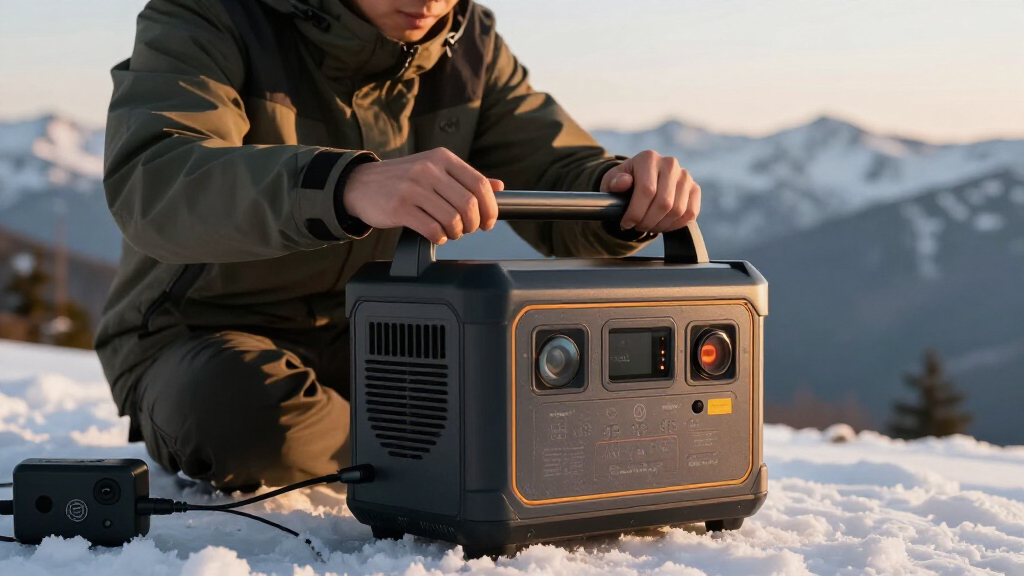
This lineup was evaluated based on several critical factors that matter to users operating in low temperature conditions. First, battery chemistry was a primary consideration, with LiFePO4 models favored for their proven cold weather resilience. Performance in sub-zero temperatures, including capacity retention and charge/discharge efficiency, was closely examined. Usability features such as portability, ease of charging, and safety measures also played a role. Lastly, value was assessed by comparing capacity, durability, and additional features against the price point, ensuring that each recommendation offers a meaningful benefit for cold weather operation.Factors to Consider When Choosing Portable Power Station Low Temperature Operation
Selecting a portable power station for low temperature operation requires attention to specific features that ensure reliability and safety in cold environments. Beyond basic capacity, factors like battery chemistry, insulation, and thermal management significantly impact performance. It’s also vital to consider how the unit handles charging in cold conditions and whether it has built-in safeguards against freezing temperatures. Understanding these broader considerations helps prevent issues such as capacity loss or equipment failure when it’s cold outside.Battery Chemistry and Cold Weather Resilience
Not all batteries perform equally in low temperatures. LiFePO4 batteries are known for better stability and longevity in cold climates compared to standard lithium-ion options. They tend to retain more capacity and charge more safely when temperatures drop below freezing. When shopping, prioritize models that feature this chemistry if you expect to use the power station in winter or cold environments, as it directly impacts reliability and safety.
Thermal Management and Insulation
Good thermal management is essential for maintaining consistent performance in cold weather. Some units include built-in insulation, heaters, or temperature regulation systems to prevent freezing and reduce capacity loss. Failing to consider these features can lead to reduced runtime or even damage to the battery. Look for models that explicitly mention cold weather operation or have features designed to protect internal components at low temperatures.
Charging in Cold Conditions
Charging a power station in freezing temperatures can be tricky, as most batteries slow down or stop accepting charge below certain thresholds. Many units designed for cold weather include fast-charging capabilities or special charging algorithms that adapt to low temperatures. Be cautious with models that lack this feature, as they may require warmer conditions for optimal charging. Always check manufacturer guidelines on cold weather charging to avoid damaging the battery or reducing lifespan.
Portability vs. Capacity Tradeoffs
Higher capacity units tend to be heavier and less portable, which can be problematic in outdoor or cold environments where mobility is crucial. Conversely, smaller, lighter models may lack the capacity needed for extended use in low temperatures. Consider your specific needs—if portability is key, opt for compact models with sufficient capacity; if you need prolonged power, be prepared for a heavier unit. Balancing capacity and weight is vital to ensure reliable cold weather operation without sacrificing convenience.
Durability and Build Quality
Rugged construction and weather resistance features increase a power station’s lifespan in harsh, cold environments. Look for units with sturdy casings, water resistance, and shockproof designs to withstand winter conditions. These characteristics reduce the risk of damage from snow, ice, or accidental drops, ensuring your power source remains dependable during outdoor activities or emergencies in low temperatures.
Frequently Asked Questions
Can I use a standard portable power station in freezing weather?
Using a standard power station in freezing conditions can lead to reduced capacity, slower charging, and potential damage to the battery. Many lithium-ion batteries are sensitive to cold, which can cause them to temporarily lose capacity or stop functioning altogether. If you need reliable performance in low temperatures, selecting a model with LiFePO4 chemistry or specific cold weather features is advisable. Always follow manufacturer instructions for cold weather use to prevent long-term damage.
What features make a portable power station suitable for low temperatures?
Key features include LiFePO4 battery chemistry, integrated thermal management systems, insulation, and charging algorithms optimized for cold weather. Some units also include built-in heaters or temperature sensors that adjust operation to prevent freezing. These design elements ensure that the power station maintains performance, safety, and longevity even when temperatures drop below freezing. Prioritizing these features helps avoid capacity loss and potential damage in winter conditions.
How does cold weather affect charging times and battery life?
Cold temperatures typically slow down chemical reactions within batteries, leading to longer charging times and decreased capacity. Over time, repeated exposure to freezing conditions without proper thermal management can degrade battery life. Choosing a model with fast-charging capabilities suited for low temperatures can mitigate some of these issues. Additionally, storing and charging the power station in a warmer environment before use can help maintain optimal performance.
Is it worth investing in a higher capacity power station for winter use?
Investing in a higher capacity unit can be beneficial if you require extended power during cold spells, especially in remote or outdoor settings. Larger capacities generally offer longer runtimes, reducing the need for frequent recharging in harsh conditions. However, they also tend to be heavier and less portable, which might be a concern for outdoor activities. Balance your power needs with portability and consider whether the extra capacity justifies the increased size and cost.
Are there any maintenance tips for keeping a power station functional in cold weather?
To keep your power station working reliably in low temperatures, store it in a sheltered, insulated area when not in use. Avoid exposing it to extreme cold for prolonged periods; instead, warm it gradually before use if possible. Regularly inspect and clean connectors, and ensure vents and thermal management features are unobstructed. Following manufacturer guidelines for cold weather operation can extend the lifespan and maintain performance during winter use.
Conclusion
For those needing a reliable all-rounder, the Anker SOLIX S2000 offers excellent cold weather performance with its robust LiFePO4 battery and high capacity, making it the best overall pick. If affordability and portability are priorities, the Jackery Explorer 300 delivers solid performance for outdoor adventures, though it may struggle in extreme cold. The EF ECOFLOW DELTA Pro stands out for high power output and fast charging, ideal for users who need quick turnaround times in winter. For beginners or casual users, smaller models like the Jackery Explorer 2000 v2 with cold weather features provide a user-friendly experience. Ultimately, your choice depends on your specific needs, environment, and budget—consider these factors carefully to find the best fit for cold weather use in 2026.
Halloween Picks
halloween
As an affiliate, we earn on qualifying purchases.