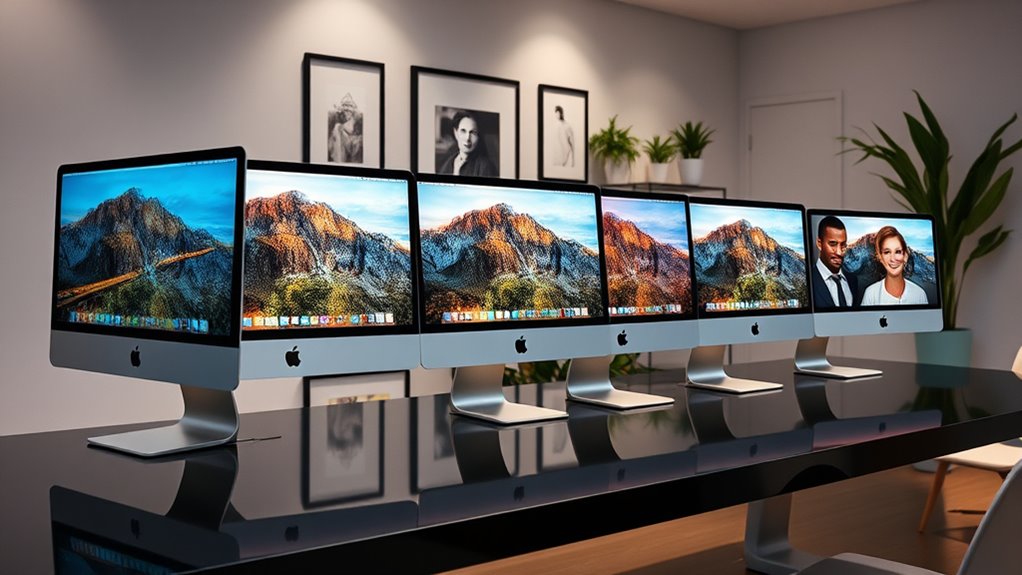

Finding the right iMac for photography work involves balancing power, display quality, and budget. The Apple 2024 iMac with M4 chip and Retina display stands out as the best overall due to its combination of performance and vibrant visuals. For those on a tighter budget, the 2021 M1 iMac offers solid performance at a lower price. Meanwhile, the 2019 Retina 4K iMac still appeals to budget-conscious photographers who prioritize a high-quality display over the latest specs. These choices reflect common tradeoffs: newer models provide faster performance and better displays, but often come at a higher cost. Keep reading for a detailed breakdown to help you find the perfect fit for your photography needs.
Key Takeaways
- The latest M4 iMac models deliver significant performance improvements and enhanced display technology, making them ideal for demanding photo editing.
- Budget-conscious photographers can still find capable options like the 2019 Retina 4K iMac, especially if they prioritize display quality over raw power.
- Memory and storage configurations are crucial; models with 24GB RAM and larger SSDs better handle large photo files and multitasking.
- Color options and aesthetic preferences matter less for performance but can influence workspace harmony and personal satisfaction.
- Renewed models provide good value, but buyers should verify condition and warranty coverage to avoid surprises.
| Apple 2024 iMac All-in-One Desktop Computer with M4 Chip, 24-inch Retina Display, 24GB Memory, 512GB SSD – Blue |  | Best Overall for Creative Professionals | Processor: M4 chip with 10-core CPU and 10-core GPU | Display: 24-inch Retina, 4.5K, supports 1 billion colors | Memory: 24GB Unified Memory | VIEW ON AMAZON | See Our Full Breakdown |
| Apple 2024 iMac All-in-One Desktop Computer with M4 Chip, 24-inch Retina Display, 24GB Memory, 512GB SSD, Silver | 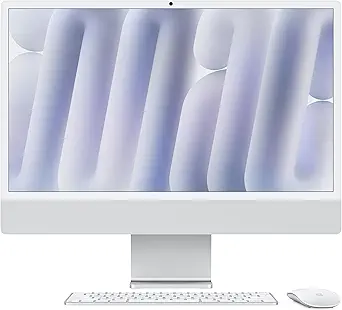 | Best for Seamless Apple Ecosystem Integration | Processor: M4 chip with 10-core CPU and 10-core GPU | Display: 24-inch Retina, 4.5K, supports up to 1 billion colors | Memory: 24GB Unified Memory | VIEW ON AMAZON | See Our Full Breakdown |
| Apple 2024 iMac All-in-One Desktop Computer with M4 Chip, 24-inch Retina Display, 16GB RAM, 256GB SSD, Green |  | Best for Space-Conscious Photographers with Moderate Workloads | Processor: M4 chip with 8-core CPU and 8-core GPU | Display: 24-inch Retina, 4.5K | Memory: 16GB Unified Memory | VIEW ON AMAZON | See Our Full Breakdown |
| Apple 2024 iMac All-in-One Desktop Computer with M4 Chip, 24-inch Retina Display, 16GB RAM, 256GB SSD – Silver |  | Best for Compact, High-Performance Editing | Processor: M4 chip with 8-core CPU and 8-core GPU | Display: 24-inch Retina, 4.5K | Memory: 16GB Unified Memory | VIEW ON AMAZON | See Our Full Breakdown |
| 2019 Apple iMac with Retina 4K Display (21.5-inch, 8GB RAM, 1TB Storage) (Renewed) |  | Best Budget Option with Reliable Performance | Display Size: 21.5 inches | Display Resolution: 3840 x 2160 pixels | Memory: 8 GB DDR4 | VIEW ON AMAZON | See Our Full Breakdown |
| Apple 2021 iMac with M1 Chip, 24-inch, 8GB RAM, 256GB SSD, Blue (Renewed) |  | Best for Budget-Conscious Photographers Who Prioritize Visuals | Display: 24-inch 4.5K Retina | Color: Blue | Processor: Apple M1 with 8-core CPU and 7-core GPU | VIEW ON AMAZON | See Our Full Breakdown |
| imac for photographer | Storage | Processor | Display | Memory |
|---|---|---|---|---|
| Apple 2024 iMac All-in-One Des | 512GB SSD | M4 chip with 10-core CPU and 10-core GPU | 24-inch Retina, 4.5K, supports 1 billion colors | 24GB Unified Memory |
| Apple 2024 iMac All-in-One Des | 512GB SSD | M4 chip with 10-core CPU and 10-core GPU | 24-inch Retina, 4.5K, supports up to 1 billion colors | 24GB Unified Memory |
| Apple 2024 iMac All-in-One Des | 256GB SSD | M4 chip with 8-core CPU and 8-core GPU | 24-inch Retina, 4.5K | 16GB Unified Memory |
| Apple 2024 iMac All-in-One Des | 256GB SSD | M4 chip with 8-core CPU and 8-core GPU | 24-inch Retina, 4.5K | 16GB Unified Memory |
| 2019 Apple iMac with Retina 4K | 1 TB HDD | — | — | 8 GB DDR4 |
| Apple 2021 iMac with M1 Chip | 256GB SSD | Apple M1 with 8-core CPU and 7-core GPU | 24-inch 4.5K Retina | — |
More Details on Our Top Picks
Apple 2024 iMac All-in-One Desktop Computer with M4 Chip, 24-inch Retina Display, 24GB Memory, 512GB SSD – Blue
This 2024 iMac stands out for its powerful M4 chip, offering faster rendering and multitasking speeds than the M1-based 2021 model, making it ideal for photographers who need both performance and a stunning display. The 24-inch Retina display with 4.5K resolution and vibrant color support ensures images are reviewed with professional accuracy. Compared to the 2019 model, it provides a more modern design and seamless Apple ecosystem integration. However, its higher price point and limited storage beyond 512GB might be limiting for those working with large files. This pick is perfect for photographers seeking a balanced, all-in-one machine that handles editing and creative workflows efficiently, provided budget isn’t a primary concern.
Pros:- Fast performance thanks to the M4 chip with 10-core CPU and GPU
- Vibrant 24-inch Retina display with 4.5K resolution
- Excellent integration with other Apple devices
- Multiple Thunderbolt 4 ports for expandability
Cons:- Premium price may deter budget-conscious buyers
- Limited storage options beyond 512GB SSD
- Design may be too vibrant for traditional office settings
Best for: Photographers who prioritize raw processing power and color-accurate displays for professional editing
Not ideal for: Those needing extensive local storage or working on tight budgets, as the premium price may be prohibitive
- Processor:M4 chip with 10-core CPU and 10-core GPU
- Display:24-inch Retina, 4.5K, supports 1 billion colors
- Memory:24GB Unified Memory
- Storage:512GB SSD
- Ports:Up to four Thunderbolt 4 ports
- Connectivity:Wi-Fi 6E, Bluetooth 5.3
Our verdict“This iMac offers top-tier performance and display quality, ideal for photographers who want a premium all-in-one with future-proof specs.”
Apple 2024 iMac All-in-One Desktop Computer with M4 Chip, 24-inch Retina Display, 24GB Memory, 512GB SSD, Silver
This model distinguishes itself with its sleek, colorful design and advanced audio features like six speakers with Spatial Audio, making it a versatile choice for photographers who also value multimedia. Its high-brightness Retina display and 12MP Center Stage camera make reviewing images and video calls clear and vibrant. Compared to the Blue version, the Silver variant offers a more subdued aesthetic suitable for professional environments. Its performance matches the Blue model, but the premium price and 512GB storage limit make it less ideal for large, high-resolution image libraries. It’s an excellent choice for photographers who want a stylish, highly integrated desktop that doubles as a multimedia hub.
Pros:- Powerful M4 chip with 10-core CPU and GPU
- Bright, vivid Retina display supporting 1 billion colors
- Excellent audio with Spatial Audio and studio-quality mics
- Elegant, colorful design fitting various spaces
Cons:- Limited storage space for large photo libraries
- Premium price may be a barrier for some
- Requires external peripherals for some workflows
Best for: Photographers who value aesthetics and seamless device integration within the Apple ecosystem
Not ideal for: Photographers with large media libraries needing extensive local storage, due to 512GB SSD limitation
- Processor:M4 chip with 10-core CPU and 10-core GPU
- Display:24-inch Retina, 4.5K, supports up to 1 billion colors
- Memory:24GB Unified Memory
- Storage:512GB SSD
- Display Brightness:500 nits
- Camera:12MP Center Stage
Our verdict“This iMac excels in aesthetic appeal and ecosystem harmony, suited for photographers who appreciate style and integrated workflows over large local storage.”
Apple 2024 iMac All-in-One Desktop Computer with M4 Chip, 24-inch Retina Display, 16GB RAM, 256GB SSD, Green
This green 2024 iMac offers a more affordable entry point with its 8-core CPU and 8-core GPU M4 chip, making it suitable for photographers with moderate editing needs. Its vivid 24-inch Retina display provides accurate colors, but the smaller SSD capacity of 256GB may require external drives for larger projects. The colorful design helps it stand out in creative spaces, but its lower RAM and storage compared to the other models limit handling of large files and multitasking. Compared to the Silver or Blue variants, this model emphasizes affordability and a playful aesthetic, though at the expense of expandability. It’s geared toward hobbyists or those starting out with photo editing on a budget.
Pros:- Colorful, eye-catching design
- Solid performance with the M4 8-core CPU and GPU
- Vivid Retina display with excellent color accuracy
- Compact form factor
Cons:- Limited storage capacity for large files
- Lower RAM may bottleneck multitasking
- Higher price for entry-level specs
Best for: Photographers with light editing workflows and limited budget who want a colorful, stylish desktop
Not ideal for: Professionals working with large RAW files or extensive libraries, due to limited storage and memory
- Processor:M4 chip with 8-core CPU and 8-core GPU
- Display:24-inch Retina, 4.5K
- Memory:16GB Unified Memory
- Storage:256GB SSD
- Connectivity:Wi-Fi 6E, Bluetooth 5.3
- Ports:Up to four Thunderbolt 4 ports
Our verdict“A playful, budget-conscious option for photographers with light editing needs who value style and affordability.”
Apple 2024 iMac All-in-One Desktop Computer with M4 Chip, 24-inch Retina Display, 16GB RAM, 256GB SSD – Silver
This Silver 2024 iMac combines powerful performance with a sleek, subdued aesthetic, making it suitable for photographers who need a compact yet capable workstation. Its 8-core CPU and GPU deliver sufficient speed for most editing tasks, and the 24-inch Retina display ensures color accuracy for photo review. Unlike the Green model, this version supports external 6K and 8K displays, appealing to professionals with high-resolution workflows. Yet, with only 256GB SSD, it’s less suited for storing large media locally unless paired with external drives. Compared to the Blue or Green models, this option prioritizes performance and expandability over vibrant colors, fitting well into professional environments.
Pros:- Strong performance with 8-core M4 chip
- Supports high-resolution external displays up to 8K
- Vivid Retina display with excellent color accuracy
- Sleek, professional silver design
Cons:- Limited internal storage for large projects
- No dedicated GPU options
- Higher price for modest internal specs
Best for: Photographers who need a compact, high-performance machine with the ability to connect to high-resolution external displays
Not ideal for: Those with extensive large media libraries or on a tight budget, due to limited internal storage and no dedicated GPU options
- Processor:M4 chip with 8-core CPU and 8-core GPU
- Display:24-inch Retina, 4.5K
- Memory:16GB Unified Memory
- Storage:256GB SSD
- Connectivity:Wi-Fi 6E, Bluetooth 5.3
- Ports:Up to four Thunderbolt 4 ports
Our verdict“This model suits professionals needing a compact, powerful system with future-proof external display support, provided external storage is used for media.”
2019 Apple iMac with Retina 4K Display (21.5-inch, 8GB RAM, 1TB Storage) (Renewed)
This 2019 refurbished iMac offers a large 21.5-inch Retina 4K display with sharp visuals, making it a practical choice for photographers on a tight budget. While it features an older processor and only 8GB RAM, it still provides satisfactory performance for basic editing tasks. The 1TB storage is ample for storing high-resolution images, and the display quality remains impressive. However, the processor details are not specified, and it runs macOS Mojave, which may limit compatibility with newer software features. Compared to the 2024 models, it lacks the latest M4 chip and advanced connectivity but remains a dependable, cost-effective solution for casual or hobbyist photographers.
Pros:- Large 4K Retina display for sharp visuals
- Refurbished to look and perform like new
- Ample 1TB storage for images
- Affordable price point
Cons:- Older processor and limited RAM
- Runs macOS Mojave, which may be outdated for some workflows
- No upgrade options or recent hardware features
Best for: Budget-conscious photographers seeking a reliable, large-format display for standard editing tasks
Not ideal for: Pro users or those working with large RAW files, as older specs may slow workflow and limit compatibility with recent software
- Display Size:21.5 inches
- Display Resolution:3840 x 2160 pixels
- Memory:8 GB DDR4
- Storage:1 TB HDD
- Graphics:Integrated Graphics Card, 4GB GDDR5
- Operating System:macOS Mojave
Our verdict“A solid, budget-friendly choice for casual photographers needing a large display and reliable performance without cutting-edge features.”
Apple 2021 iMac with M1 Chip, 24-inch, 8GB RAM, 256GB SSD, Blue (Renewed)
This 2021 iMac with M1 chip offers a compelling blend of visual quality and performance for photographers on a budget. Its standout feature is the 24-inch 4.5K Retina display with wide P3 color gamut, making it ideal for editing photos with rich, accurate colors. Compared to the newer M4-based iMacs, it sacrifices some processing power and future-proofing but still handles editing tasks smoothly, especially with its powerful M1 CPU. The main tradeoff lies in its limited 8GB RAM, which could hinder multitasking or large file handling, and only two Thunderbolt ports restrict expandability. As a renewed product, there’s a risk of reduced longevity, but this makes it a more accessible option for those who don’t need the latest tech. It’s best suited for photographers who want a vibrant display at an affordable price and are okay with some upgrade limitations over the newer models.
Pros:- Vivid 4.5K Retina display with excellent color accuracy
- Strong performance from M1 chip for photo editing workflows
- Sleek, attractive design with vibrant colors
Cons:- Limited to 8GB RAM, which can slow down intensive multitasking
- Only two Thunderbolt / USB 4 ports limit peripheral expansion
- Renewed status may affect long-term durability
Best for: Budget-conscious photographers needing excellent display quality for editing photos without high multitasking demands.
Not ideal for: Photographers working with very large files or multitasking heavily, who would benefit from more RAM and ports found in newer models.
- Display:24-inch 4.5K Retina
- Color:Blue
- Processor:Apple M1 with 8-core CPU and 7-core GPU
- RAM:8GB
- Storage:256GB SSD
- Camera:1080p FaceTime HD
- Speakers:Six-speaker sound system
- Ports:Two Thunderbolt / USB 4, up to two USB 3
Our verdict“This iMac offers a visually stunning display and solid performance for photographers who prioritize budget and display quality over future-proofing.”

How We Picked
The selection process focused on performance, display quality, build reliability, and value for photographers. We prioritized models equipped with high-resolution Retina displays, fast processors, ample memory, and solid-state drives, as these directly impact editing speed and image accuracy. Cost-effectiveness was also a factor; we included both new and renewed options to cover different budgets. The ranking reflects an overall balance between power, display quality, longevity, and price, with a clear emphasis on how well each iMac supports photo editing workflows and creative projects.| imac for photographer | Processor | Ports |
|---|---|---|
| Apple 2024 iMac All-in-One Des | M4 chip with 10-core CPU and 10-core GPU | Up to four Thunderbolt 4 ports |
| Apple 2024 iMac All-in-One Des | M4 chip with 10-core CPU and 10-core GPU | — |
| Apple 2024 iMac All-in-One Des | M4 chip with 8-core CPU and 8-core GPU | Up to four Thunderbolt 4 ports |
| Apple 2024 iMac All-in-One Des | M4 chip with 8-core CPU and 8-core GPU | Up to four Thunderbolt 4 ports |
| 2019 Apple iMac with Retina 4K | — | — |
| Apple 2021 iMac with M1 Chip | Apple M1 with 8-core CPU and 7-core GPU | Two Thunderbolt / USB 4, up to two USB 3 |
Factors to Consider When Choosing Imac For Photographers
Choosing the right iMac for photography involves understanding several key factors that influence workflow and output quality. Beyond just raw specs, consider how each feature impacts your daily editing, storage needs, and workspace setup. Making the right decision can save both time and money while ensuring your creative process remains smooth and efficient.Display Quality and Resolution
For photographers, display quality is paramount. A Retina display with true color accuracy and high resolution ensures your edits reflect real-world colors. Look for models with at least 4.5K or 5K resolution, as lower resolutions can compromise detail and clarity. Also, consider color support—bigger color gamuts like P3 enable richer, more accurate images. Investing in a high-quality display reduces the need for external calibration tools and ensures your work looks consistent across devices.
Processor and Performance
The processor determines how smoothly your editing software runs, especially when handling large RAW files or multiple layers. Apple’s M-series chips, such as M1 and M4, have set a high bar for performance, offering fast rendering and quick multitasking. For heavy photo editing, opting for the latest chip ensures future-proofing and less frustration with slowdowns. However, this often comes with a higher price, so weigh the need for speed against your typical workload and budget.
Memory and Storage Options
Ample RAM and fast storage are critical for managing large photo libraries. A minimum of 16GB RAM is recommended, but 24GB or more is preferable for intensive editing workflows. SSD storage speeds up file access and application load times, reducing waiting periods. Photographers working with 4K or higher-resolution images will benefit from larger SSDs—512GB or more—especially if they prefer to keep files local rather than in the cloud. Balance your storage needs with budget considerations, as larger SSDs significantly increase cost.
Expandability and Connectivity
While iMacs are less upgradeable than desktops designed for modularity, connectivity options still matter. Multiple Thunderbolt ports, USB-C, and card reader support make it easier to connect external drives, calibration tools, and other peripherals. If you plan to expand your setup or use external monitors, ensure the iMac has enough ports and supports your preferred accessories. Also, consider the availability of Wi-Fi and Bluetooth features for a clutter-free workspace.
Design, Size, and Aesthetics
An iMac’s size and design influence your workspace ergonomics and ambiance. Thinner bezels and sleek profiles save space and create a modern look, which can boost inspiration. Color options, while less critical for performance, allow some personalization—especially with models like the 2024 iMac offering diverse finishes. Think about your desk space and how the iMac’s size fits into your studio or home setup. A compact or more portable model might be preferable if space is limited or if you need mobility.
Frequently Asked Questions
Is it worth upgrading to the latest M4 iMac for photo editing?
Upgrading to the newest M4 iMac can significantly enhance your photo editing experience, thanks to faster processing, better graphics, and enhanced display technology. These improvements help reduce rendering times and improve color accuracy, which is vital for professional work. However, if your current setup handles your workflow well, the upgrade might be more about future-proofing than immediate necessity. Budget considerations and specific performance needs should guide your decision.
Can I use an external monitor with an iMac for better editing?
Yes, most iMacs support external displays via Thunderbolt or USB-C ports. Connecting an external monitor can expand your workspace and provide even higher resolution options for precise editing. Just ensure the iMac’s ports and graphics capabilities support your chosen monitor’s resolution and refresh rate. External monitors can complement the iMac’s built-in display but may also increase overall cost, so plan accordingly.
Is 16GB RAM enough for professional photo editing?
For many photographers, 16GB RAM provides sufficient performance, especially with optimized workflows and fast SSDs. However, professionals working with large files, multiple layers, or advanced editing software might find 24GB or more offers smoother multitasking and reduces lag during intensive tasks. Budget constraints can influence this choice, but investing in more RAM often pays off in productivity and reduced frustration.
Should I buy a renewed iMac or a new one?
Renewed iMacs offer a compelling value, often coming at a lower price while still providing high performance. However, they may lack the latest hardware updates and extended warranty options found with new models. If you’re comfortable with potential minor wear and want to save money, a renewed iMac can be a smart choice. For maximum longevity and peace of mind, new models might be preferable, especially if you require the latest features and full warranty coverage.
How important is color accuracy in an iMac for photography?
Color accuracy is vital for professional photographers because it ensures your edits translate well across different devices and prints. An iMac with a wide color gamut, such as P3, and high-resolution Retina display ensures your images look true to life. Calibration tools can further improve accuracy, but starting with a display designed for color-critical work simplifies your workflow. Investing in a color-accurate iMac reduces the risk of surprises when your work is output or shared.
Conclusion
For most photographers, the Apple 2024 iMac with M4 chip offers the best balance of power, display quality, and future-proofing, making it the ideal choice for professional workflows. Those seeking the best value can consider the 2021 M1 iMac, which still provides excellent performance at a more accessible price point. Beginners or hobbyists might favor a renewed or older Retina 4K model for affordability without sacrificing display quality. Serious professionals demanding maximum speed and color precision should look at higher-end configurations or the upcoming models once available. Your choice should align with your workflow demands, budget, and workspace needs.